
Some days your brain just won't cooperate. You sit down to work, open the right tab, and twenty minutes later you're seven tabs deep and can't remember what you came to do. Sound familiar? You're not broken, and you don't need another shot of espresso that leaves you wired and foggy by noon. What you need is a herbal focus enhancer approach that works with your body instead of bullying it, plus a few habits that quietly do most of the heavy lifting.
So here are nine ways to sharpen attention and find a calmer, clearer headspace. Some are plants people have leaned on for generations. Others are unglamorous lifestyle basics that researchers keep confirming matter more than any supplement. We treat them all as tools, because the win is stacking a few that fit your life rather than chasing one magic ingredient.
One note before we start. Nothing here treats, cures, or prevents any medical condition, and we won't pretend otherwise. Herbs and habits can support how you feel and function, but if you're dealing with persistent attention struggles, that's a conversation for your healthcare provider. Expectations set, here are nine ways to think more clearly.
Table of Contents
- TL;DR
- How We Grouped These Nine Ways
- Calming Herbs for Steady Attention
- Energizing Botanicals for a Clean Lift
- Daily Habits That Sharpen the Mind
- A Calm-Focus Drink Ritual With GÜD Tonics
- Final Thoughts
- Frequently Asked Questions
TL;DR
- A good herbal focus enhancer strategy blends a few supportive plants with the unglamorous habits that move the needle.
- We sorted nine ways into three lanes: calming herbs, energizing botanicals, and daily habits, plus a closing calm-focus drink ritual.
- Calming options include L-theanine from green tea and lemon balm. Energizing picks include ginseng, rosemary aroma, and peppermint.
- The habit lane covers hydration, sleep, movement, and single-tasking, which often matter more than any supplement.
- Safety notes: none of these treat any condition, kava carries an FDA liver advisory and should never be mixed with alcohol, anything with mitragynine is strictly 21+, and you should consult your healthcare provider before adding new botanicals.
How We Grouped These Nine Ways
Focus isn't one thing. Sometimes you can't concentrate because your mind is racing and you need to settle. Other times you're flat and foggy and need a gentle lift. And often the culprit is something boring, like dehydration or a bad night's sleep. So we sorted these nine ways into three lanes that map to those situations: calming herbs for a busy mind, energizing botanicals for a clean lift, and daily habits that build the foundation everything else sits on.
You don't need all nine at once. Pick one from each lane, try it for a week, and notice what changes. Mental clarity tends to come from a handful of small, consistent choices rather than one dramatic fix. Now to the full set.
Calming Herbs for Steady Attention
When your thoughts won't stop bouncing, the answer usually isn't more stimulation. It's a touch of calm that lets your attention settle on one thing. These first few lean on botanicals traditionally used to relax without knocking you out.
1. L-Theanine From Green Tea
If you only try one thing from this list, make it this. L-theanine is an amino acid found naturally in green tea leaves, and it's closely associated with a calm, focused kind of alertness. Paired with the modest caffeine in tea, it tends to produce the smooth, steady attention that coffee drinkers wish they had, minus the jitters and the crash.
A cup of green tea, or matcha if you want something richer, hits a sweet spot for desk work and reading. The combination is one of the most popular natural nootropics because it's gentle and easy to build into a morning. Caffeine-sensitive? Lean toward green tea over matcha and keep an eye on how late in the day you sip.
2. Lemon Balm
Lemon balm is a citrusy member of the mint family with centuries of use in European herbal traditions, often to encourage a calm and settled state of mind. People reach for it as a tea or tincture when a racing head is the thing standing between them and concentration. Because it leans relaxing rather than sedating, it works as a daytime option when stress is fraying your attention.
Try it in the late afternoon, the stretch where many of us get scattered and reach for a sugary pick-me-up. A warm cup can take the static down a notch so you can refocus on what's in front of you.
3. Kava for Calm Focus
Kava deserves a careful spot here. It's the root of Piper methysticum, cultivated across the South Pacific for centuries and central to social and ceremonial life there. Its active compounds, kavalactones, are known for producing a relaxed, sociable kind of calm. That last part matters. Many people describe kava as relaxing without fogging the mind, which is why it earns a place in a focus conversation as a way to dial down anxiety-driven distraction.
The compliance notes are real and non-negotiable. The FDA issued a consumer advisory in 2002 linking kava to rare liver concerns, so you should never combine kava with alcohol, you should be cautious if you take medication, and you should avoid it if you have a liver condition. The U.S. National Center for Complementary and Integrative Health offers a balanced overview of kava's uses and safety worth reading before you try it. Used responsibly by healthy adults, kava is a distinctive calm-focus tool rather than a stimulant.
Energizing Botanicals for a Clean Lift
The flip side of focus is energy. When you're foggy and flat, you need a lift that doesn't turn into restlessness. These botanicals are traditionally used for a steadier kind of vitality.
4. Ginseng
Ginseng is one of the most recognized energizing herbs on the planet, with deep roots in East Asian wellness traditions. People have long used it for a feeling of stamina and vitality during demanding days. That's the kind of slow-burn energy that supports sustained attention better than a sugar rush. You'll find it as a tea, a tincture, capsules, or part of a blended drink.
One thing to keep in mind: "ginseng" covers several different plants, and the research on its broader effects is still limited. Treat it as a traditional energizing herb you're experimenting with, not a guaranteed result, and choose products that tell you which species they use.
5. Rosemary Aroma
This one surprises people. Rosemary is best known as a kitchen herb, but its bright, piney aroma has a long folk association with alertness and remembering. You don't even have to drink it. Keep a sprig nearby, run a rosemary essential oil in a diffuser, or brew it as a light tea while you work.
Aroma is an easy, low-stakes lever to pull. If a scented candle or a few crushed rosemary leaves on your desk nudges you toward feeling switched on, that's a cheap and pleasant win for natural focus. No downside to trying it.
6. Peppermint
Peppermint is the cool, crisp wake-up call of the herb world. The aroma alone feels invigorating, and the flavor is refreshing enough to snap you out of an afternoon slump. It's been used traditionally to refresh the senses, which is why a cup of peppermint tea or even a whiff of peppermint oil is a common desk-side trick.
Because it's caffeine-free, peppermint is a great option when you want a sensory lift later in the day without risking your sleep. Served cold over ice, it doubles as a refreshing pick-me-up. And like rosemary, real peppermint beats artificial flavoring by a wide margin.
Daily Habits That Sharpen the Mind
Now the part nobody wants to hear and everybody needs to. No herb on earth outperforms the basics. These three habits are the foundation, and on most days they're the difference between a clear head and a foggy one.
7. Hydration
Your brain is mostly water, and even mild dehydration is one of the most common and most overlooked causes of afternoon fog and flagging concentration. Before you blame your willpower or reach for another stimulant, drink a glass of water. It sounds too basic to count, and that's why people skip it.
Keep water within arm's reach while you work and sip steadily rather than chugging once you're already parched. If plain water bores you, infuse it with citrus, cucumber, or mint. Getting hydration right is the easiest upgrade to mental clarity on this entire list.
8. Sleep
Nothing sabotages focus like poor sleep, and nothing restores it like good sleep. While you rest, your brain consolidates memory and clears out the metabolic clutter of the day. Skimp on it and no herb or habit can fully compensate. Protecting your sleep is the highest-leverage thing you can do for your attention, full stop.
The practical moves are well established: keep a consistent schedule, dim the lights and screens in the last hour before bed, keep the room cool and dark, and build a calming wind-down ritual. Want to dig into how habits and supplements interact with sleep? The NIH Office of Dietary Supplements is a trustworthy, non-commercial resource on supplements and health. Treat sleep as the foundation, not the thing you cut when you're busy.
9. Single-Tasking and Movement
These two pair naturally, so we're counting them as one focused habit. Multitasking feels productive but mostly trains your brain to switch constantly, which fractures attention. Single-tasking is the antidote: pick one thing, close the other tabs, set a timer, and work in a focused block before you take a real break. Your concentration improves with practice.
Movement is the partner habit. A short walk, a few minutes of stretching, or any light activity between focus blocks gets blood flowing and resets a tired mind. You don't need a workout. Just get up, move, and come back. Stacking single-tasking with brief movement breaks is one of the most reliable, equipment-free ways to think clearly all day.
A Calm-Focus Drink Ritual With GÜD Tonics
A surprising amount of focus is about ritual. Pouring a deliberate, non-alcoholic drink before a work block tells your brain it's time to settle in. That's where a calm-focus beverage fits, and it's the niche we built GÜD Tonics for.
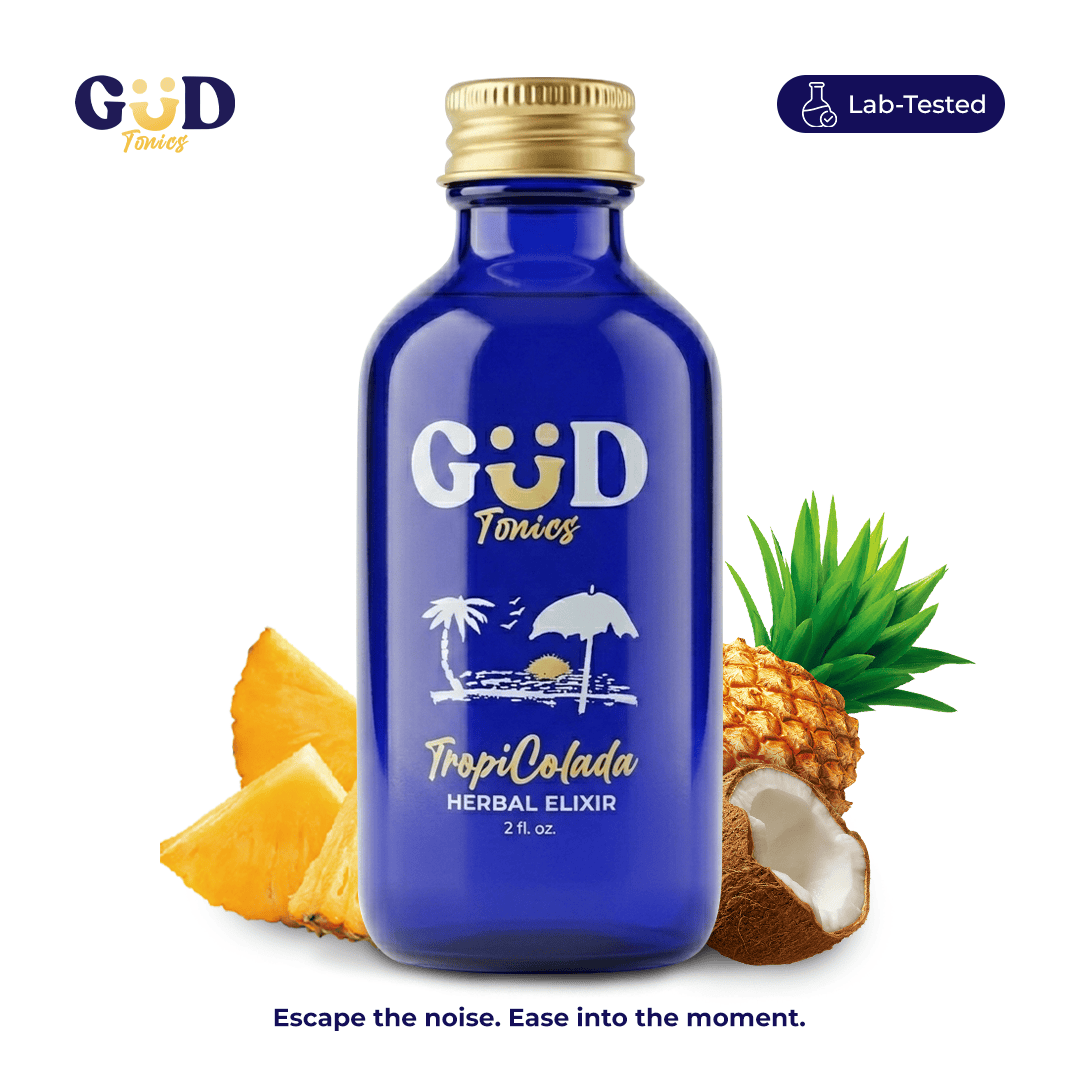
Our social tonics blend premium kava extract with a measured amount of mitragynine and supporting botanicals. Think calm and clarity in one sip. Kava brings the relaxed, clear-headed calm that quiets distraction, while a gentle, measured lift from mitragynine helps you feel switched on rather than sedated. Effects tend to arrive within roughly fifteen to thirty minutes, and the drinks are best enjoyed chilled over ice, which makes them a natural anchor for a focus ritual. Want a bright, uplifting flavor to start a work session? The TropiColada tonic is a tropical favorite, while the crisp Baja Bliss lime option keeps things light and refreshing. Not sure which suits your routine? The flavor sampler trio lets you test the range.
Now the part that matters most. GÜD products contain mitragynine and are strictly for adults 21 and over, never for anyone pregnant or breastfeeding. Both kava and mitragynine are calming, so don't pair them with alcohol, driving, operating machinery, or swimming. Kava's FDA liver advisory means anyone with a liver condition or taking medication should talk with their healthcare provider first. For the deeper science behind mitragynine, the National Institute on Drug Abuse keeps a factual page on kratom and mitragynine. Once those boxes are checked, you can browse the full GÜD collection and make a calm-focus sip part of your day.
Final Thoughts
There's no single switch that turns on a clear mind, and anyone selling you one is overpromising. What works is stacking a few of these nine ways until you find your combination. Maybe it's green tea in the morning, a walk and a glass of water in the afternoon, and a protected eight hours at night. Maybe it's a calm-focus drink ritual before deep work plus a serious commitment to single-tasking.
Focus follows care. Hydrate, sleep, move, and stop trying to do five things at once, and you've built the foundation. Add calming or energizing botanicals on top, matched to whether your problem is a racing mind or a flat one, and you've got a flexible toolkit. Keep the safety notes front of mind: these support how you feel and function, none of them are cures, and the kava and mitragynine warnings are there for good reason. Build the habit stack that fits your life, and superior mental clarity stops feeling like luck.
Frequently Asked Questions
What is the best herbal focus enhancer for beginners?
For most people starting out, L-theanine from green tea is the gentlest entry point. It pairs calm with alertness and slots into a morning without much effort. From there, layer in the boring-but-powerful habits, especially hydration and sleep. Remember that none of these are medical treatments, and consult your healthcare provider before adding new botanicals if you take medication.
Do herbs actually improve focus, or is it placebo?
A bit of both, probably. Many of these plants have long traditional histories and plenty of people notice a difference, but the research on most of them is still limited. It's fair to say botanicals can support how you feel and function, and ritual and expectation play a role too. What isn't fair is claiming any herb treats or cures an attention disorder, because none of them do.
Can kava help with concentration?
Kava is often described as relaxing without fogging the mind, so some people use it to dial down anxiety-driven distraction and find a calmer focus. It's not a stimulant. Take the safety notes seriously: kava carries an FDA liver advisory, should never be combined with alcohol, and is not recommended for anyone with a liver condition or on medication without a doctor's input.
Are natural nootropics safe to use every day?
Gentle options like green tea or peppermint are part of many people's daily routines, but it depends on the botanical and the person. Kava deserves extra caution because of its liver advisory, and anything containing mitragynine is strictly for adults 21 and over and not for daily use without care. Talk with your healthcare provider before making any botanical a daily habit, especially if you're pregnant, breastfeeding, or on medication.
What matters more for mental clarity, supplements or habits?
Habits, by a wide margin. Sleep, hydration, movement, and single-tasking do more for focus than any supplement, and they cost nothing. Think of herbs and drinks as helpful additions on top of a solid foundation, not replacements for it. Fix the basics first. Then experiment with botanicals to see what gives you an extra edge.