
As of July 1, 2026, kratom is illegal across Tennessee, and a lot of people who reached for it to unwind are now asking the same practical question: what now? If you have been searching for a legal kratom alternative, you are far from alone. This guide walks through what actually changed under the new law, what it covers, and why kava has become the botanical that so many people are looking at instead. The goal here is a clear, honest picture rather than hype or panic.
A quick note belongs right at the top. Everything discussed here is for adults 21 and over only. It is not for anyone who is pregnant or breastfeeding. You should talk with your healthcare provider before trying any new botanical, especially if you have a liver condition or take medication, and you should never mix these drinks with alcohol. None of this is legal advice either, so for the specifics of the statute you should check official Tennessee sources or speak with an attorney. With that settled, here is the full picture.
TL;DR: The Quick Version
- Tennessee's kratom ban took effect July 1, 2026 under HB1649, also called Matthew Davenport's Law. It makes kratom and its main alkaloids, mitragynine and 7-hydroxymitragynine, illegal statewide in every form.
- Possession is now a Class A misdemeanor, and selling or distributing kratom is a Class C felony, so this is a full ban rather than a light restriction.
- That change has sent a lot of Tennesseans searching for a legal kratom alternative they can still enjoy for relaxation.
- Kava is the botanical many people are turning to. It comes from a South Pacific plant, it is legal in all 50 states, and it is not a controlled substance.
- One honest catch matters: products that blend kava with mitragynine (MIT) fall under the same kind of state law as kratom, so a true kratom alternative for Tennessee means pure kava, not a MIT-infused blend.
- Compliance runs through all of this. Adults 21 and over only, never with alcohol, not while pregnant or breastfeeding, and the FDA has issued a consumer advisory about kava and rare liver effects.
What Tennessee's Kratom Ban Actually Does

The law behind the change is House Bill 1649, signed in May 2026 and known as Matthew Davenport's Law, named in memory of a Chattanooga family that pushed for it after a personal tragedy. It took effect on July 1, 2026, and it moves Tennessee from a state with almost no kratom rules into one of a small group of states with a complete statewide ban.
The scope is broad. The statute prohibits kratom along with its primary alkaloids, mitragynine and 7-hydroxymitragynine (often shortened to 7-OH). That language matters, because it means the ban is not limited to raw leaf or one product format. Powder, capsules, gummies, liquid shots, extracts, and ready-to-drink beverages all fall under it. If a product contains those compounds, it is covered.
The penalties are real. Knowing possession is a Class A misdemeanor, which can carry up to 11 months and 29 days and a fine of up to 2,500 dollars. Manufacturing, delivering, or selling kratom is a Class C felony, with a far heavier range of consequences, and selling to a minor carries the steepest penalties of all. For background on what kratom is and the alkaloids the law names, the National Institute on Drug Abuse keeps a neutral overview of kratom and mitragynine that is worth reading.
The short version is that this is a genuine prohibition, not a packaging or age tweak. That is why it has changed the conversation for so many people in the state almost overnight.
Is Kratom Legal in Tennessee Right Now?
No. As of July 1, 2026, kratom is not legal in Tennessee. For years the plant sat in a gray area there, broadly available to adults with little regulation, which is why a search like "is kratom legal in Tennessee" used to return a complicated answer. That ambiguity is gone now. The new law draws a hard line, and both the plant and its named alkaloids are prohibited across the state.
It helps to separate two questions people tend to blur together. One is whether kratom is legal in Tennessee, and as of the July 1 effective date the answer is clearly no. The other is whether kava is legal, which is a different plant with a different legal status entirely, covered further down. People often type "is kratom illegal in Tennessee" and "is kava legal in Tennessee" in the same sitting, so it is worth keeping the two plants and the two answers distinct.
If you are in Tennessee and you previously bought kratom locally, the practical takeaway is simple. Those products are no longer legal to buy, sell, or possess in the state, regardless of format. That reality is exactly what has so many people researching a calmer, legal option they can enjoy without crossing the new line.
Why People Are Looking for a Kratom Alternative
The most obvious reason is legality, and Tennessee is not the only place driving it. Several states and a number of counties have moved to restrict or ban kratom over the past few years, so the search for an alternative to kratom has been building well beyond a single state. When access changes, people who used a product to relax or to wind down socially start looking for something with a clearer, more settled legal standing.
There is also a comfort factor that has nothing to do with any single law. Kratom's main compound, mitragynine, behaves differently depending on how much someone takes, and that dose sensitivity makes some people want something more predictable. Others simply prefer a botanical with a longer track record in Western use and a more straightforward legal picture. A good kratom substitute, for these folks, is less about chasing the same exact experience and more about finding a relaxed, sociable feeling they can rely on.
It is worth being honest about what an alternative is and is not. Switching plants is not a medical decision you should make to manage withdrawal or any health condition on your own, and no botanical should be treated as a treatment. If kratom played a significant role in your daily routine and you have any concerns about stopping, that is a conversation for a healthcare provider, not a blog. What this guide can do is point you toward a legal option that fits an adult, alcohol-free lifestyle.
Kava: The Legal Botanical Many People Reach For

Kava is the name that comes up most often, and for good reason. It comes from the root of a South Pacific plant, Piper methysticum, and people across Fiji, Vanuatu, Tonga, and Samoa have prepared it into a social beverage for centuries. In the United States today it is legal in all 50 states, it is not a controlled substance, and it is commonly sold as a beverage or dietary supplement. That legal clarity is the single biggest reason it keeps surfacing as a kratom alternative.
The important distinction is that kava and kratom are entirely different plants with different active compounds and very different legal pictures. Kava's character comes from a family of molecules called kavalactones, and the feeling people describe is a mellow, grounded calm rather than anything sharp. The National Center for Complementary and Integrative Health offers a level-headed overview of kava and its safety considerations if you want a neutral reference. We are not going to relitigate the full plant-versus-plant breakdown here, because we already cover how kava and kratom compare in a dedicated guide.
Here is the honest wrinkle that most articles skip. A lot of modern social tonics, including several that GÜD Tonics makes, blend kava with a measured amount of mitragynine. Those MIT-containing drinks are wonderful, but they sit under the same kind of state law as kratom itself, which means they are not a legal option in a place that has banned mitragynine. So when we say kava is the legal alternative for Tennessee, we mean pure kava, with no added MIT. That detail is the whole ballgame for anyone in a state with a fresh ban.
What Kava Feels Like and How People Enjoy It
People naturally want to know what to expect, so here is a plain description that does not overpromise. Kava has an earthy, peppery taste, and it's traditionally shared slowly at gatherings. Many people enjoy it in the evening, at a get-together, or any time they'd rather skip alcohol, and most find it best served chilled or over ice.
Individual responses vary, and that is worth respecting. Body weight, what you have eaten, your own sensitivity, and how much you drink all shape the experience. A sensible approach is to start with a modest serving, give it the full window to take effect before deciding whether you want more, and treat patience as part of the ritual rather than an obstacle. Kava is traditionally enjoyed slowly, and that pace is part of the point.
Kava belongs to the slow, unhurried part of your day. It is not something to pair with driving, operating machinery, or swimming, and it is not a focus aid for tasks that demand sharp coordination. Setting that expectation up front keeps the experience both pleasant and responsible.
Honest Cautions Before You Switch
A guide that pretended kava had zero considerations would not be worth much, so here they are in plain terms. Kava has been associated in rare cases with liver effects, which is why the FDA has issued a consumer advisory about it. The agency keeps useful consumer information on dietary supplements, and anyone with a liver condition, or who takes medication that affects the liver, should talk with a healthcare provider before trying kava. Avoiding alcohol entirely while enjoying kava is part of using it sensibly.
The compliance rules that tie everything together are straightforward and non-negotiable. These products are for adults 21 and over. They are not for anyone who is pregnant or breastfeeding. Never combine them with alcohol, and never use them before driving or any activity that needs full alertness. If you take medication or manage any health condition, the right move is a conversation with your healthcare provider first. Kava is enjoyed for relaxation and sociability, not as a treatment for any condition, and research on it is still developing rather than settled.
One more reminder, because it is the reason this whole article exists. If you are choosing kava specifically to stay on the right side of a new law, read the label. A product that lists mitragynine, MIT, or kratom is not a legal kratom alternative in a state that has banned those compounds. Pure kava is the version that keeps its clean, legal-in-all-50-states standing.
Where GÜD Tonics Fits In
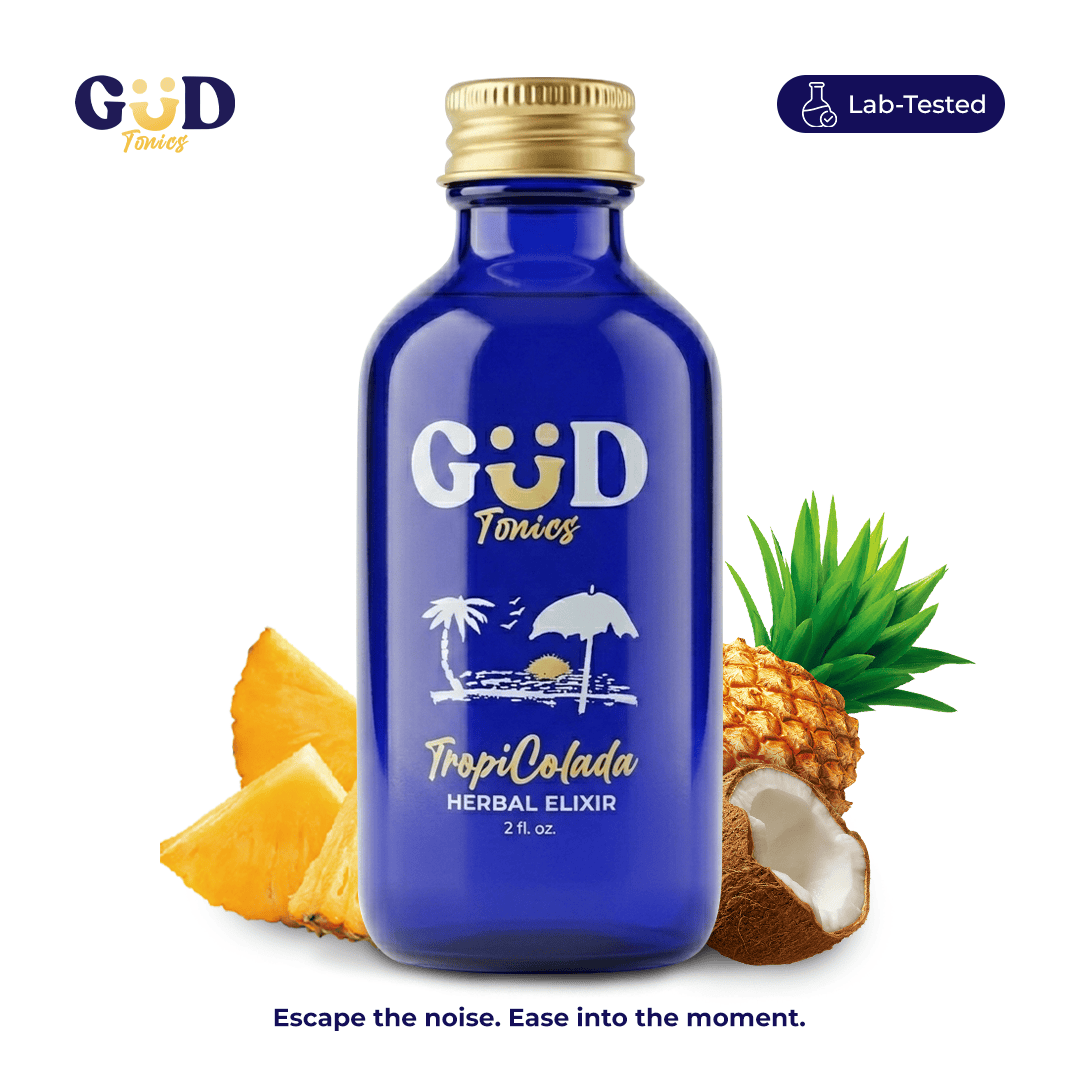
GÜD Tonics makes kava drinks, so the shift toward legal botanicals matters to us. For anyone who wants the cleanest, most portable place to start, our pure kava extract powder is straightforward kava with no added mitragynine, which makes it the natural pick for readers in states where MIT is now off the table.
We also believe in being upfront about our full lineup. Some of our flavored social tonics blend kava with a measured amount of mitragynine, and those are made for adults 21 and over in places where MIT remains legal. If you are curious about the flavor side and you are not in a restricted state, the three-bottle flavor sampler is an easy way to find a favorite, but please check your own state's rules first. Wherever you are, the same honest caveats apply: 21 and over only, never mixed with alcohol, and not for anyone pregnant or breastfeeding. Ready to find the right fit for your situation? Browse the full GÜD Tonics lineup and read each label so your choice matches both your taste and your local law.
Final Thoughts
Tennessee's kratom ban changed the landscape for a lot of people overnight, and the search for a legal kratom alternative is a reasonable response to a real change in the law. Kava stands out because it is a genuinely different plant with a long tradition, a calm and sociable character, and a clear legal status in all 50 states. The one rule to carry with you is the mitragynine distinction: pure kava keeps that clean legal standing, while MIT-infused blends follow the same kind of state law as kratom.
Beyond the legal details, the throughline is responsibility. Start with a modest serving, keep it to adults 21 and over, never mix it with alcohol, skip it before driving or anything that needs full focus, and check with your healthcare provider if you have a liver concern or take medication. Honor the FDA advisory on kava and read your labels, and a calm, legal botanical can have a comfortable place in a mindful, alcohol-free routine. That balanced, honest approach is exactly what GÜD Tonics was built around.
Frequently Asked Questions
Is kratom legal in Tennessee in 2026?
No. As of July 1, 2026, kratom is illegal in Tennessee under HB1649, also known as Matthew Davenport's Law. The ban covers kratom and its main alkaloids, mitragynine and 7-hydroxymitragynine, in every form, including powders, capsules, gummies, shots, and drinks. Possession is a Class A misdemeanor and selling is a Class C felony. For the legal specifics, check official Tennessee sources or an attorney.
When does the Tennessee kratom ban take effect?
The ban took effect on July 1, 2026. The bill was signed into law in May 2026 and applies statewide from that July date forward, which is why interest in a legal alternative spiked right around the deadline.
What is a good legal alternative to kratom?
Kava is the botanical most people turn to as an alternative to kratom. It comes from a South Pacific plant, it is legal in all 50 states, and it is not a controlled substance. The key is to choose pure kava, since products that blend kava with mitragynine are treated like kratom under state bans. Kava is for adults 21 and over, is not a treatment for any condition, and should never be mixed with alcohol.
Is kava legal in Tennessee?
Pure kava is legal in Tennessee and across the United States, and it is not a controlled substance. However, a product that adds mitragynine (MIT) to kava is not legal in Tennessee, because the state's ban covers mitragynine. Always read the label: pure kava is fine, while a kava plus MIT blend is not a legal option in the state.
Is kava the same as kratom?
No, they are completely different plants. Kava comes from the root of Piper methysticum in the South Pacific, while kratom comes from the leaf of Mitragyna speciosa in Southeast Asia. They have different active compounds and very different legal pictures. For a fuller breakdown of how the two plants differ, see our dedicated guide on how kava and kratom compare.