
Skip to content

✌🏼 Free Shipping on orders $75!

Blogs

News & Updates

GÜD Tonics title card for a guide comparing kava and kratom

Kava vs Kratom: What Each Plant Is, and What's in a GÜD Bottle

Kava and kratom are two unrelated plants, one a root and one a leaf. Here's what each one is, how they differ, and exactly what GÜD Tonics sells, with the lab report and lot number for every flavor. For adults 21 and over.

Learn more
Kava for Urinary Tract Infections: 5 Powerful Benefits for Natural UTI Relief

Kava for Urinary Tract Infections: 5 Powerful Benefits for Natural UTI Relief

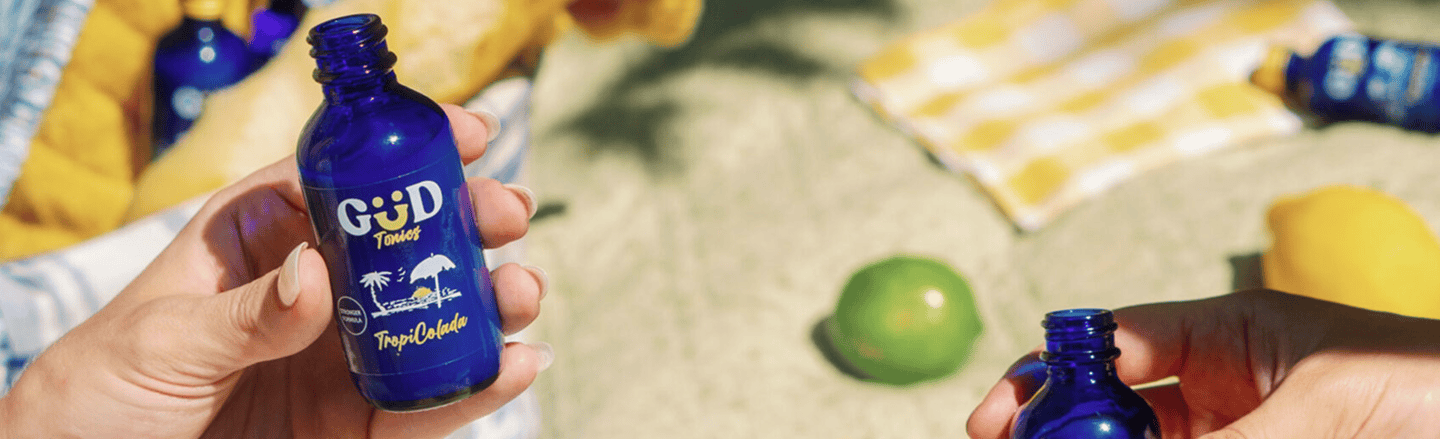
Urinary tract infections (UTIs) are one of the most common bacterial infections, affecting millions of people each year. While antibiotics remain the standard treatment, many individuals look for natural ways to support recovery and ease discomfort during the healing process. One traditional plant that is gaining attention is kava. In this article, we’ll explore kava for urinary tract infections in detail its history, potential benefits, risks, and how it may fit into a holistic wellness routine. While kava is not a cure or direct treatment for UTIs, it may help with stress relief, muscle relaxation, and overall well-being making recovery a little more manageable. Understanding Urinary Tract Infections (UTIs) and Their Impact on Health A urinary tract infection happens when bacteria, most often Escherichia coli (E. coli), enter the urinary tract and multiply. The infection can affect the bladder (cystitis), urethra (urethritis), or in severe cases, the kidneys (pyelonephritis). Because women have a shorter urethra, they are more likely than men to experience UTIs. According to the Mayo Clinic, nearly 50–60% of women will experience at least one UTI in their lifetime. Common UTI Symptoms Recognizing the symptoms early can help prevent complications: A frequent urge to urinate, even when little comes out Burning or stinging sensations while peeing Cloudy, dark, or strong-smelling urine Pelvic discomfort or pressure In more severe cases: fever, chills, or back pain (which may signal kidney involvement) If these symptoms persist or worsen, it’s important to see a healthcare provider right away. Risk Factors for UTIs Several lifestyle and biological factors can increase the risk: Not drinking enough water Holding in urine for too long Sexual activity (which can introduce bacteria into the urethra) Poor bathroom hygiene (not wiping front to back) Use of certain birth control methods, such as diaphragms Menopause, which can cause changes in urinary tract tissue What is Kava? An Overview of This Traditional Herb Kava (Piper methysticum) is a plant native to the South Pacific, where it has been used in cultural ceremonies and for relaxation for centuries. The root is traditionally ground into a drink that promotes calmness, social bonding, and relief from stress. Today, kava is available in teas, capsules, tinctures, and extracts. It is known primarily for its calming, muscle-relaxing, and stress-reducing properties. While kava has not been studied specifically as a treatment for UTIs, its effects on inflammation, tension, and stress may provide indirect support during recovery. How Kava May Support Urinary Tract Health So how might kava fit into the picture for those experiencing UTIs? Let’s explore its potential supportive benefits. 1. Anti-Inflammatory Properties and UTI Discomfort Some studies suggest that compounds in kava, called kavalactones, may have anti-inflammatory properties. While this does not mean kava can fight infection, reducing inflammation may help ease irritation in the bladder and urinary tract. 2. Muscle Relaxation for Pelvic and Bladder Tension UTIs often cause pelvic pain and bladder spasms. Because kava has been traditionally used for muscle relaxation, it may help relieve some of the discomfort associated with tension in this area. 3. Stress Reduction and Immune Support Stress can weaken immune function, making it harder for the body to fight infections. Kava is widely recognized for promoting relaxation and reducing anxiety, which may indirectly support the immune system during recovery. 4. Sleep Support During Recovery Discomfort from a UTI can disrupt sleep. Kava is often used in the evening to promote rest and deeper sleep, which is essential for healing. 5. Encouraging Hydration Because kava may have mild dehydrating effects, it’s important to drink plenty of water when using it. This increased hydration also helps flush bacteria from the urinary tract a key part of UTI recovery. How to Use Kava for Urinary Tract Infections: Practical Tips If you’re considering kava as part of your wellness routine during a UTI, here are some important guidelines. Choosing High-Quality Kava Products Look for Noble Kava, the safest and most studied variety. Lower-quality products may contain other plant parts that increase the risk of side effects. Always buy from reputable brands that provide lab testing and safety certifications. Best Forms of Kava for UTI Support Kava Tea: The most traditional form, made from ground kava root. Capsules or Tablets: Convenient and pre-measured. Extracts or Tinctures: Potent, concentrated options. Complementary Practices Alongside Kava Kava should be part of a broader approach to recovery, which includes: Drinking plenty of water Urinating after sex to reduce bacteria exposure Maintaining good hygiene (wiping front to back) Eating a balanced diet with probiotics and immune-supporting foods Avoiding excessive sugar and processed foods, which may worsen symptoms Potential Risks and Side Effects of Kava While many people tolerate kava well, it’s important to be mindful of potential risks: Drowsiness or dizziness when taken in high amounts Upset stomach or nausea in some cases Liver health concerns: Rare but serious cases of liver damage have been reported, particularly with poor-quality kava or excessive use. To minimize risk, avoid mixing kava with alcohol or medications that affect the liver. ⚠️ Important: Kava should not be considered a replacement for antibiotics or medical treatment for UTIs. Always consult with a healthcare provider before starting any new supplement. When to See a Doctor While natural remedies can provide comfort, there are times when medical help is essential. Contact a healthcare professional if: Symptoms worsen after a couple of days You experience fever, chills, or back pain UTIs recur frequently You are pregnant or have other health conditions that may complicate infections Prompt treatment is necessary to prevent kidney infections and more serious complications. Other Natural Remedies That May Complement UTI Recovery If you’re exploring natural approaches alongside kava, here are some additional options backed by research: Cranberry products: Some evidence suggests cranberry may help prevent bacteria from sticking to the bladder wall (NIH). D-Mannose: A type of sugar that may support urinary health by preventing bacterial adhesion. Probiotics: Foods like yogurt, kefir, and fermented vegetables may support healthy gut and urinary flora. Vitamin C: Helps acidify urine, potentially creating an environment less friendly to bacteria. Kava for Urinary Tract Infections: FAQs 1. Can kava cure a UTI?No, kava cannot cure UTIs. It may help with discomfort and relaxation, but antibiotics are often required for bacterial infections. 2. How should I take kava for UTI support?Kava tea, capsules, or extracts can be used, but always follow dosage instructions and drink plenty of water. 3. Are there risks with taking kava during a UTI?Kava is generally safe when used responsibly, but overuse may affect liver health. Avoid mixing it with alcohol. 4. What other natural remedies help with UTIs?Hydration, cranberry, probiotics, and D-mannose may all support urinary health. Conclusion: Can Kava Help with Urinary Tract Infections? Kava for urinary tract infections is not a cure, but it may offer comfort and supportive benefits. Its calming, anti-inflammatory, and muscle-relaxing properties could help ease discomfort while also reducing stress and promoting sleep during recovery. When paired with hydration, good hygiene, and medical care if needed, kava may become a helpful addition to your wellness routine. If you’re curious about trying kava, explore GÜD Tonics’ Noble Kava products crafted for purity, safety, and relaxation. Why Choose GÜD Tonics Kava? 600mg Noble Kava Extract Balanced with black pepper extract for absorption No alcohol, no hangover just pure calm Smooth TropiColada flavor 🌴 Sip, relax, and let kava become part of your natural wellness journey. Disclaimer This article is for educational purposes only and does not provide medical advice. Kava is not intended to diagnose, treat, cure, or prevent any disease. Always consult a healthcare professional before starting new supplements, especially if you are pregnant, nursing, taking medications, or have underlying health conditions.

Learn more
GÜD Tonics blog header image for the kava drinks guide

Kava Drinks: What Is Actually in the Bottle

Kava is a root, kratom is a leaf, and our ready-to-drink flavors contain both. What is in each bottle, what it costs, what the safety research says, and why we stopped comparing it to alcohol.

Learn more
Three GÜD Tonics kava kratom drink bottles, guava, cherry strawberry lime and pineapple colada flavors

Which Kava Drink to Try First: A Flavor Guide

Three flavors, described as flavor and nothing else. Guava, cherry strawberry lime and pineapple colada: what each one tastes like, what it is sweetened with, how much is in the bottle and what it costs.

Learn more
GUD Tonics article header image for a reference guide to kavalactones and kava chemotypes

Kavalactones: The Six Compounds and What Our Lab Report Measures

Eighteen kavalactones have been identified in kava root extract and six account for nearly all of them. What each one is, how chemotype codes are built from them, and what our lot reports actually list. For adults 21 and over.

Learn more

GUD Tonics guide to kava, article header image

Kava Is Not a UTI Treatment, and We Don't Sell It as One

Kava doesn't treat urinary tract infections. What kava is, where the safety information comes from, and the five products we actually stock.

Learn more
GÜD Tonics kava drink guide header image

GÜD Tonics Kava Drinks: Flavors, Sizes and Prices

GÜD Tonics makes three alcohol-free kava tonics, each containing kratom alongside kava root extract. Flavors, bottle sizes, current prices and the safety notes to read first. 21+ only.

Learn more
7 Reasons Why Tudei Kava Is the Best

7 Reasons Why Tudei Kava Is the Best

Table of Contents TL;DR: The Quick Version Tudei Kava vs Noble Kava: A Quick Primer Reason 1: Remarkably High Kavalactone Strength Reason 2: Long-Lasting Duration That Earns Its Name Reason 3: A Distinct, Heavy-Bodied Character Reason 4: Hardy, Fast-Growing Plants Reason 5: A Place in Traditional and Ceremonial Use Reason 6: It Sharpened the Case for Noble Kava Reason 7: A Cautionary Lesson in Quality and Sourcing Why Noble Kava Wins for Everyday Sipping The GÜD Approach to Kava Final Thoughts Frequently Asked Questions Spend any time reading about kava and you'll run into a heated debate between two camps of the plant: tudei kava and noble kava. Tudei gets talked about as the strong one, the long-lasting one, the variety that demands respect. This guide gives tudei its due by walking through seven reasons it stands out, while staying honest about a point most of the noise leaves out. Standing out isn't the same as being the right choice for everyday drinking. Here's the short version before the details: tudei kava is notable for its potency and staying power, which is why it has a reputation. For regular, social, sip-it-on-a-Tuesday use, though, noble kava is the traditional, preferred cultivar, and it's what GÜD Tonics builds with. One quick note first: these drinks are for adults 21 and over, they're not for anyone pregnant or breastfeeding, and you should talk with your healthcare provider before trying kava, especially if you have a liver condition or take medication. TL;DR: The Quick Version Tudei kava is a potent, long-acting type of kava, and the seven reasons below explain why it has such a strong reputation. Its standout traits include high kavalactone strength, long duration, a heavy character, hardy plants, and a real place in some traditional ceremonies. Tudei kava also sharpened the case for noble kava and serves as a cautionary lesson about why sourcing and cultivar matter. Honest caveat: tudei is generally NOT recommended for daily or casual drinking. It is associated with a longer, heavier aftereffect, and some regions restrict its export. For everyday, social sipping, noble kava is the traditional and preferred choice, and it is what GÜD Tonics uses. Compliance still applies: adults 21 and over only, never mix with alcohol, and the FDA has issued a consumer advisory about kava and rare liver effects. Tudei Kava vs Noble Kava: A Quick Primer Before the seven reasons, a little context makes everything clearer. Kava comes from the root of Piper methysticum, and over centuries of cultivation, growers in the South Pacific developed many distinct cultivars. Those cultivars fall into broad groups, and the two that matter most here are noble and tudei (sometimes spelled "two-day"). The difference comes down to chemistry. The active compounds in kava are called kavalactones, and the relative balance of those compounds, often described as a chemotype, varies from cultivar to cultivar. Noble kava varieties have a balance that island communities refined over generations specifically for pleasant, daily drinking. Tudei kava has a different profile, typically richer in certain kavalactones tied to stronger, longer-lasting, and heavier effects. The name "two-day" hints at the lingering aftereffect some people report from it. This isn't a story of good versus evil. Both are real kava. It's a story of fit for purpose. Noble kava was bred to be the everyday cup. Tudei was traditionally reserved for specific situations and is widely regarded as too heavy for casual, regular use. With that framework in place, here are the seven reasons tudei kava stands out, told honestly. Reason 1: Remarkably High Kavalactone Strength The first and most cited reason tudei kava commands attention is raw potency. Kavalactones are the compounds behind what people feel from kava, and tudei varieties tend to carry a higher and differently balanced concentration of them than typical noble kava. That's the single biggest driver of tudei's reputation as the strong one. For someone judging kava on intensity alone, this is the headline trait. A smaller amount of tudei can deliver a markedly heavier experience than the same amount of a gentle noble cultivar. The active chemistry of kava is a legitimate area of interest, and you can explore the broader body of peer-reviewed research on kava through PubMed if you want to dig into how these compounds have been studied. The caveat belongs right here, though. Strength isn't automatically a virtue. The kavalactone profile that makes tudei so potent also carries a higher share of the compounds many people find responsible for the unpleasant, heavy aftereffects. So the number-one reason tudei stands out is also the root of why it's not the everyday choice. More isn't the same as better when it comes to a relaxing daily cup. Reason 2: Long-Lasting Duration That Earns Its Name The second reason is duration, and it's baked right into the name. Tudei is widely read as "two-day," a nod to how long its effects and aftereffects can linger compared with noble kava. Where a noble cup tends to ease in and fade out within a manageable window, tudei is associated with a far longer tail. For certain traditional purposes, a long-lasting effect was the entire point. If a single preparation needed to carry through an extended event, tudei's staying power was an asset rather than a drawback. As a standout characteristic, longevity is undeniably one of the things that makes tudei distinctive. The trade-off is significant, and worth saying plainly. A long tail often means a longer, heavier comedown that some people describe as a kava hangover, with grogginess that can stretch well past the pleasant part. That's precisely why tudei is poorly suited to daily or back-to-back use, and why noble kava, with its cleaner and more contained timeline, is the traditional pick for regular drinking. Tudei kava effects are memorable, but for the wrong reasons if what you wanted was a quick, easy unwind. Reason 3: A Distinct, Heavy-Bodied Character The third reason tudei stands out is its sheer presence. Beyond strength and duration, tudei kava tends to deliver a heavier, more sedating, more physically noticeable character than the lighter, brighter feel many noble cultivars are prized for. Some longtime kava drinkers can spot a tudei-influenced batch by how weighty it feels. There's a niche appreciation for that intensity. A subset of experienced drinkers seeks out heavier kava for the depth of the experience, and tudei undeniably provides it. As a defining trait, the heavy body is a real signature, and it's part of why tudei has its own dedicated, if smaller, following. Distinctiveness cuts both ways, though. A heavy, sedating profile is the opposite of what most people want from a social drink they can sip while staying present and conversational. The whole appeal of a modern kava beverage is that calm-but-clear feeling, and the leaden character of tudei works against it. Here's a clear case where standing out doesn't mean serving the everyday drinker well, which is why noble kava remains the better choice for sociable sipping. Reason 4: Hardy, Fast-Growing Plants The fourth reason shifts from the cup to the field. Tudei kava plants are often hardier and faster-growing than many noble varieties. They can be easier to cultivate, more resilient, and quicker to reach a harvestable size, which has practical appeal for growers. From an agricultural standpoint, that hardiness is a real strength. A robust, fast-maturing plant is simpler to grow and can produce more material in less time. For anyone looking purely at ease of cultivation, tudei has clear advantages over the more demanding noble cultivars. This is also where the cautionary side surfaces. Because tudei is cheaper and faster to grow, it has at times been blended into kava products to cut costs, sometimes without disclosure. That practice is one of the reasons exporting regions and the broader kava industry have worked to distinguish noble from tudei and to favor noble for international trade. The plant's hardiness is a real reason it stands out, and it's also a reason buyers need to care about sourcing and cultivar transparency. Reason 5: A Place in Traditional and Ceremonial Use The fifth reason is cultural. Tudei kava wasn't invented as a shortcut. It has long existed alongside noble kava in the South Pacific and has had its own traditional roles. In some contexts, the stronger and longer-lasting profile suited particular ceremonial or medicinal purposes where intensity and duration were intentional. That history matters. Tudei is part of the wider tradition of kava cultivation that island communities developed over centuries. Treating it as merely a cheap impostor would miss the truth that it had a defined, respected place when used deliberately and appropriately by people who understood it. On that basis alone, the traditional role earns tudei a spot on this list. But traditional use was selective and informed, not casual and daily. The same communities that knew when tudei was appropriate also knew that noble kava was the cultivar for everyday, sociable drinking. The National Center for Complementary and Integrative Health provides a balanced overview of kava and its traditional uses for readers who want grounded context. Respecting the tradition means respecting that distinction, not flattening it. Reason 6: It Sharpened the Case for Noble Kava The sixth reason is a little unexpected. One of the most valuable things tudei kava has done is make the case for noble kava unmistakably clear. By being the heavy, lingering, harder-to-handle counterpart, tudei helped the kava world articulate exactly why noble cultivars are the gold standard for drinking. The contrast did real work. As kava spread internationally and quality concerns grew, tudei's existence pushed growers, regulators, and reputable brands to define noble kava, certify it, and prioritize it for export and consumer products. In a roundabout way, tudei standing out for all its intensity is part of why the modern market now centers noble kava so firmly. So even framed in tudei's favor, this reason lands squarely on the side of caution. Tudei is the useful reference point that proves why most people should be drinking noble kava. If you only ever remember one thing from a tudei-vs-noble kava comparison, let it be this: the strong one helped everyone understand why the balanced one is the everyday champion. Reason 7: A Cautionary Lesson in Quality and Sourcing The seventh and final reason tudei kava deserves your attention is the lesson it teaches every kava shopper. Tudei is the single biggest reason cultivar transparency and sourcing matter when you buy kava. Because it's potent, hardy, and inexpensive, undisclosed tudei has historically been a quality and safety concern in poorly sourced products. That makes tudei an unexpectedly useful teacher. It trains you to ask the right questions. Is this noble kava? Where does it come from? Does the brand talk openly about its cultivar and its safety profile? A company that can't or won't answer those questions is one to be wary of, and tudei is a big part of why those questions exist in the first place. This connects directly to broader supplement safety. The U.S. Food and Drug Administration maintains consumer information on dietary supplements, and it's the same agency that issued the well-known consumer advisory linking kava to rare liver effects. Honest sourcing, noble cultivars, and transparent labeling are how responsible brands address those concerns. Tudei standing out as the cautionary case is, in the end, a reason to value the brands that get this right. Why Noble Kava Wins for Everyday Sipping We've given tudei kava a fair and honest hearing, so here's the bottom line, no hedging. For daily, social, everyday drinking, noble kava is the better choice, and once you understand the chemistry that's no surprise. It was developed over generations specifically to be the pleasant, balanced, sociable cup, and that's exactly what most people want. Here's the practical contrast at a glance: Trait Tudei Kava Noble Kava Typical use Selective, traditional, occasional Everyday, social, regular Strength Very high, can feel heavy Balanced and approachable Duration Long, with a lingering tail Contained, easier to pace Aftereffect More likely to feel groggy Generally cleaner Best for Niche, experienced contexts Sociable, daily sipping Noble kava gives you the calm, clear-headed, conversational quality that makes kava such a great alcohol-free social drink. It tends to ease in and fade out on a friendlier timeline, leaving you present rather than weighed down. That's the whole reason noble cultivars became the standard for drinking, and it's why a thoughtful kava brand builds with them rather than chasing raw potency. None of this makes tudei evil. It makes it specialized. Knowing the difference is what separates an informed kava drinker from one who just grabs whatever's labeled strongest. When the goal is a relaxed evening or an easygoing gathering, noble is the answer. The GÜD Approach to Kava At GÜD Tonics, the choice is deliberate. We build our herbal elixirs with premium noble-style kava extract because we want our drinks to deliver that calm, clear, sociable feeling rather than a heavy, lingering one. We blend that kava with mitragynine (MIT) and botanicals to create flavorful, alcohol-free drinks made for real relaxation and connection, with effects many people begin to notice in roughly 15 to 30 minutes. The fan-favorite Baja Bliss is a good example of what that approach tastes like. We're also upfront about who these drinks are for and how to enjoy them. They're for adults 21 and over, they're not for anyone pregnant or breastfeeding, and they should never be mixed with alcohol. Want to understand kava from the ground up? Our Raw Kava Extract Powder lets you work with the ingredient directly. New and not sure where to begin? The variety sampler is the easy on-ramp. Ready to taste the balanced, noble-kava difference for yourself? Shop the full GÜD Tonics collection and find the flavor that fits your routine. Final Thoughts Tudei kava earns its reputation. It's potent, long-lasting, heavy-bodied, hardy in the field, and historically meaningful, and it has even helped the whole kava world understand why noble cultivars deserve the spotlight. Seven real reasons it stands out, and giving it an honest hearing is only fair. Standing out, though, isn't the same as being the smart everyday pick. The very traits that make tudei distinctive, especially its intensity and its long, heavy tail, are exactly why it's not the right choice for casual, daily, social drinking. For that, noble kava is the traditional and preferred cultivar, and it's what GÜD Tonics chooses. Drink kava informed, drink it responsibly, keep it to adults 21 and over, never mix it with alcohol, and check with your healthcare provider if you have any liver concerns or take medication. Knowing the difference is the whole point. Frequently Asked Questions What is tudei kava? Tudei kava is a type, or cultivar group, of the kava plant (Piper methysticum) known for a kavalactone balance that produces stronger, longer-lasting, and heavier effects than noble kava. The name is widely read as "two-day," a reference to how long its aftereffects can linger. It has traditional roles in the South Pacific but is generally not recommended for casual, daily drinking. Is tudei kava better than noble kava? For everyday, social sipping, no. Tudei stands out for potency and duration, but those same traits are why it's associated with a heavier, longer aftereffect that many people find unpleasant for regular use. Noble kava was developed specifically for pleasant daily drinking and is the traditional, preferred choice. Think of tudei as a specialized variety rather than a superior one. What are the effects of tudei kava? Tudei kava effects tend to be stronger, more sedating, and noticeably longer-lasting than noble kava, often with a heavier physical feeling. Some people report a lingering grogginess afterward, sometimes called a kava hangover. Because individual responses vary and tudei is potent, it isn't suited to casual or back-to-back use, and it isn't what most modern kava beverages are built from. How do I know if a product contains noble or tudei kava? Look for brands that clearly state they use noble kava and that talk openly about sourcing and cultivar. Undisclosed tudei has historically been blended into low-quality products to cut costs, which is exactly why transparency matters. Reputable kava companies will tell you what cultivar they use and will address safety, including the FDA advisory on kava and rare liver effects. Is kava safe to drink regularly? Kava is enjoyed by many adults in moderation, but it isn't risk-free. It's for adults 21 and over and not for anyone pregnant or breastfeeding. Kava has been linked in rare cases to liver effects, prompting an FDA consumer advisory, so anyone with a liver condition should talk to a doctor first. Choose noble kava, never mix it with alcohol, avoid driving afterward since kava is calming, and check with your healthcare provider if you take medication.

Learn more
Kava & Menopause: A Natural Way to Ease Symptoms & Restore Balance

Kava & Menopause: A Natural Way to Ease Symptoms & Restore Balance 🌿✨

Table of Contents TL;DR: The Quick Version Why Self-Care Matters Most in Demanding Seasons The Building Blocks of Sustainable Self-Care Rituals Sleep and Rest as the Foundation Movement That Meets You Where You Are Connection and the People Who Steady You Mindful Pauses Throughout the Day A Calming, Alcohol-Free Drink to Mark the Moment Where GÜD Tonics Fits Into Your Routine Final Thoughts Frequently Asked Questions Some seasons ask more of us than others. A brutal stretch at work, a big transition, caregiving, a move, or just a few months where everything lands at once. Any of it can leave even the most capable person stretched thin. In those stretches, self-care rituals stop being a nice extra. They become the thing that keeps you steady. Not the elaborate, expensive kind that needs a free afternoon you don't have, but small, repeatable practices that fit into an ordinary day and pull you back to yourself. This guide is about building exactly that, a set of simple, sustainable rituals for calm and balance during the harder chapters. We'll walk through the building blocks that matter most, from sleep and movement to connection and mindful pauses, and how a calming, alcohol-free drink can become a small daily anchor. One note before we start: nothing here is medical advice, the kava drinks mentioned are for adults 21 and over, and any health concern, including questions about menopause or any specific condition, is a conversation to have with your doctor. TL;DR: The Quick Version Self-care rituals are small, repeatable practices that keep you grounded during stressful or demanding seasons. They work best when they're simple enough to actually keep. The most dependable building blocks are sleep, movement, connection, and mindful pauses, layered together rather than chased one at a time. Rest is the foundation. Steady sleep makes every other habit easier, and a tired body finds calm much harder to reach. Movement doesn't have to be intense to count. Gentle daily activity is often more sustainable than an all-or-nothing fitness push. A calming, alcohol-free drink can become a satisfying ritual that marks a pause in your day, no alcohol involved. None of this replaces medical care. Talk to your doctor about menopause, any symptoms, or any health concern, and treat these rituals as supportive habits, not treatments. Why Self-Care Matters Most in Demanding Seasons It's easy to treat self-care as something you earn once everything else is handled. Here's the irony. The busier and more stretched you are, the more it matters, yet it's the first thing to get cut when life fills up. Stress doesn't pause to let you catch your breath, which is exactly why a few steady habits become so valuable. They're the anchor that keeps you from drifting too far from yourself when everything around you is in motion. Stress isn't the enemy, and you're not trying to eliminate it. A certain amount is a normal part of a full life, and some of it even pushes us to grow. Trouble comes when stress runs unchecked for too long without any counterbalance, leaving you depleted, foggy, and short on patience. Self-care rituals are that counterbalance. They give your nervous system regular chances to settle, your mind a moment to reset, and your body the basic support it needs to keep going. The word ritual matters more than it looks. A ritual is something you do on purpose and return to, unlike the occasional treat you grab once you're already running on empty. When calming practices are woven into the ordinary rhythm of your days, they catch you before you crash instead of rescuing you afterward. That shift, from reactive to routine, is everything. It's what makes everyday self-care feel less like one more task and more like the thing holding the rest together. The Building Blocks of Sustainable Self-Care Rituals When people picture self-care, they imagine something elaborate. The spa day. The weekend retreat. Those can be lovely, but they're not what carries you through a hard stretch. What holds you steady is the small stuff repeated often, the habits humble enough to survive a busy week. The most sustainable self-care rituals are built from a few reliable building blocks that reinforce one another. Four matter most: rest, movement, connection, and mindful pauses. Each supports the others. Good sleep makes movement easier, movement improves sleep, connection lifts your mood and lowers stress, and mindful pauses help you notice what you need before you hit empty. You don't have to perfect all four at once. Trying to overhaul everything in a week is usually how good intentions collapse. Pick one, make it a real habit, and let it create momentum for the next. There's wisdom in keeping these rituals modest. A two-minute breathing break you actually take every day beats a thirty-minute meditation you keep meaning to start. A short walk you never skip does more over a month than an ambitious gym plan you abandon by week two. For anyone who wants evidence over wellness hype, the National Center for Complementary and Integrative Health offers a balanced overview of mind and body practices. With that mindset in place, let's look at each building block in turn. Sleep and Rest as the Foundation If you only have the energy to protect one self-care practice during a demanding season, make it sleep. Rest is the foundation everything else stands on. Well slept, your patience stretches further, your mood holds steadier, and your ability to handle stress improves across the board. Running short, the opposite happens. Even small problems start to feel heavier than they are. Protecting rest doesn't require a perfect setup, just a few consistent choices. Aim for a regular bedtime and wake time so your body knows what to expect. Give yourself a calm landing in the last stretch of the evening instead of working or scrolling right up to lights-out. Keep your bedroom cool, dark, and quiet, and treat the wind-down before bed as a real part of your day. These are simple moves, and their payoff compounds night after night. Rest means more than nighttime sleep, too. Short pauses during the day, a few minutes with your eyes closed, a real lunch break away from your desk, a slow cup of something warm. All of it takes the edge off accumulated stress. In seasons when full nights are hard to come by, these small recoveries help bridge the gap. For plain-language guidance on healthy habits, the health information from the National Institutes of Health is a reliable place to read up. Treat rest as non-negotiable, not the thing you sacrifice first, and the rest of your habits get far easier to keep. Movement That Meets You Where You Are Movement is one of the most reliable ways to discharge stress and lift your mood, but for a lot of people it gets tangled up with pressure and guilt. The good news? Helpful movement has very little to do with intensity. No punishing workout, no perfect streak. You just need to move in ways that feel good and that you can sustain, especially when your schedule and energy are already stretched. A daily walk is one of the most underrated self-care rituals there is. It clears your head, gets you outside, gently raises your energy, and asks almost nothing in equipment or planning. Stretching, gentle yoga, dancing around the kitchen, gardening, playing with kids or pets, all of it counts. The aim is to break up long stretches of sitting and give your body regular chances to feel alive and capable, not to hit a number on a tracker. Meet yourself where you are. On a high-energy day, a longer or more vigorous session might feel great. On a depleted day, five minutes of stretching might be exactly right, and that still counts. Letting your movement flex with your energy keeps it sustainable, which is what matters most over a long season. Consistency you can maintain beats intensity you cannot, every time. A gentle daily habit will carry you much further than an all-or-nothing push. Connection and the People Who Steady You It's tempting to retreat when life gets hard. Stress narrows our focus, and time with others can feel like one more thing to manage when you're already maxed out. Yet connection is one of the most powerful buffers against stress we have, and pulling away during a tough stretch usually makes the weight feel heavier, not lighter. Building connection into your rituals is how you make sure you don't face the demanding seasons alone. You don't need a packed social calendar for this. Meaningful connection can be small and low-effort. A short call with someone who gets you, a text thread that makes you laugh, a standing coffee with a friend, a shared meal at the end of the week. All of it does real good. Aim for regular contact with people who leave you feeling more like yourself, not the obligatory events that drain you further. Quality beats quantity here. Connection also includes the people you live with and see every day. In a busy season, the people closest to us quietly become logistics partners instead of companions. Carving out a few unhurried minutes to actually talk, share a slow drink, or simply be together without a task attached can restore a warmth that stress tends to erode. Treat connection as a ritual rather than something you'll get to eventually, and it becomes one of the steadiest sources of calm you have. Mindful Pauses Throughout the Day Demanding seasons put us on autopilot. We rush from one thing to the next, rarely stopping long enough to notice how we're doing. Mindful pauses are the small, deliberate breaks that interrupt that momentum and bring you back to the present. They're some of the most portable rituals around. No equipment, no special place, just a minute or two. A mindful pause can be a few slow, deep breaths before you start a new task. It might be stepping outside to feel the air, a short stretch between meetings, or a quiet minute with a warm drink where you do nothing but taste it. You're not trying to clear your mind completely or reach some perfect state of calm. You're stepping out of the rush long enough to reset, even slightly, before diving back in. These pauses work precisely because they're easy to repeat. Scattered through a hectic day, they keep stress from building to a peak and remind you that you have some say over your own pace. Many people find it helps to attach a pause to something they already do, like the start of a commute, the boil of a kettle, or the first sip of an afternoon drink. Anchor a pause to an existing habit and it's far more likely to stick. Over time those brief resets add up to a noticeably calmer way of moving through your days. A Calming, Alcohol-Free Drink to Mark the Moment There's a quiet comfort in pausing to prepare and enjoy a drink. The ritual of it, choosing the glass, pouring something over ice, taking a slow first sip, becomes a natural cue to downshift. A calming, alcohol-free drink gives your self-care a sensory anchor, a small moment of pleasure that signals you're taking a real break instead of just powering through. Choosing alcohol-free is worth doing on purpose. A glass of wine is the common go-to for unwinding, but alcohol can disrupt sleep and leave you feeling worse the next day, which works against the very balance you're building during a hard season. There's a growing world of satisfying alternatives, from herbal teas and sparkling botanicals to craft mocktails and functional beverages, that keep the soothing ritual without the downsides. The drink becomes a treat that supports your wellbeing instead of quietly chipping away at it. For adults 21 and over who want a more flavorful option, a kava-based drink can be one optional part of a calming routine. Kava comes from the root of a South Pacific plant traditionally enjoyed in relaxed social settings, and many people reach for it simply because they like the mellow, unwound feeling of a chilled glass. It's worth being clear about the cautions. Kava has been associated in rare cases with liver effects, which is why the U.S. Food and Drug Administration has issued a consumer advisory, and you can review the agency's dietary supplement information for context on how these products are regulated. Kava is not a treatment for any condition, and it should never be mixed with alcohol. Anyone who is pregnant or breastfeeding, anyone with a liver condition, and anyone taking medication should skip it, and because it is calming, it is not for pairing with driving or operating machinery. Enjoyed thoughtfully and in moderation, it can be the flavorful, alcohol-free centerpiece of a pause you look forward to. Where GÜD Tonics Fits Into Your Routine When you're building rituals that can survive a demanding season, the drink you reach for to mark a pause should feel like a real treat. That's what we set out to make with GÜD Tonics. Our alcohol-free herbal elixirs blend premium kava extract with mitragynine and botanicals, crafted for calm, clarity, and good company, no alcohol and no crash. Served chilled over ice, a GÜD pour can become the small ritual that signals a real break in your day, with effects many people start to notice in roughly 15 to 30 minutes. Not sure where to start? The 3-Bottle Flavor Sampler lets you explore a few profiles, while the crisp lime of Baja Bliss and the newest Pink Sunset both make for an easygoing afternoon pause. A drink meant to support your calm should be one you feel good about choosing. So we keep our ingredients clear, talk openly about who these drinks are for, and never pretend kava can manage or cure anything. Enjoyed in moderation, never mixed with alcohol, and kept to adults 21 and over, a GÜD elixir can be the flavorful, alcohol-free part of a steadier day. Want to make one a small fixture of your routine? Browse the full GÜD Tonics collection and pick a flavor that suits your season. Final Thoughts Balance isn't a destination you arrive at once and keep forever. You tend to it, especially when life is asking a lot of you. The most reliable way to stay steady through a demanding season isn't a single grand gesture. It's a handful of small, repeatable rituals woven into ordinary days. Rest you protect, movement that meets your energy, connection with people who steady you, mindful pauses that pull you out of the rush. Together they add up to a foundation that holds. Start with one. Pick the building block that feels most doable right now, turn it into a real habit, and let it make room for the next. Be gentle with yourself when a day gets away from you. Consistency over time matters far more than any single perfect day. And remember that these rituals support your wellbeing rather than replace professional care, so bring any health concern, including questions about menopause or any condition, to your doctor. Tend to the small things faithfully, and you give yourself a quiet, dependable kind of strength to carry you through whatever the season brings. Frequently Asked Questions What are self-care rituals, and how are they different from regular self-care? Self-care rituals are small, intentional practices you repeat regularly, not occasional treats you reach for once you're already worn out. The ritual part matters because calming habits woven into the rhythm of your days catch you before you crash instead of rescuing you afterward. They're simple by design. You want something sustainable enough to keep through even a busy, demanding stretch. How do I keep up self-care when I am already overwhelmed and short on time? Start absurdly small and pick one building block. A two-minute breathing break, a short daily walk, or a single calming drink to mark a pause beats an ambitious plan you abandon by week two. Attach a new ritual to something you already do, like your morning coffee or your commute, and it's more likely to stick. Consistency you can maintain beats intensity you cannot, especially when you're stretched thin. Which self-care ritual should I focus on first? If you have to choose, protect sleep and rest. They form the foundation that makes every other habit easier. A tired body finds calm, patience, and steady mood much harder to reach, so rest pays off across the board. Once a sleep routine feels reliable, add a second building block like daily movement or a regular point of connection, and let your rituals grow one steady habit at a time. Can a kava drink be part of a self-care routine? For adults 21 and over, a kava-based drink can be one optional, flavorful part of a calming pause, and many people simply enjoy the mellow feeling of a chilled glass. It is not a treatment for any condition. Kava has been linked in rare cases to liver effects that prompted an FDA advisory, so it is not for anyone pregnant, breastfeeding, taking medication, or with a liver condition. Never mix it with alcohol, and talk to your doctor about menopause or any health concern. Are these self-care rituals a substitute for medical care during a hard health season? No. Self-care rituals are supportive habits for everyday calm and balance, not treatments, and they are not a replacement for professional care. Dealing with a specific health concern, ongoing symptoms, or a major life transition such as menopause? Talk with your doctor so you can make decisions with full information. Think of these rituals as a helpful layer alongside proper medical guidance, never instead of it.

Learn more

Please confirm your age

Content on this page is only for people over 21 years old.

No, I am not