News & Updates

Feel Free Tonic Review: The Settlement, the Science, and Smarter Alternatives
The little blue bottle built the kava-kratom tonic category, then paid $8.75 million over what its label didn't say. The full story, and the checklist every tonic buyer should use.
Learn more
Tennessee's Kratom Ban Is Here: Finding a Legal Kratom Alternative
Tennessee's kratom ban started July 1, 2026. Here is what the law covers and why kava is the calming, legal kratom alternative many people are turning to.
Learn more
Shop Kava Beverages: 7 Essential Reasons to Try the Best Drinks Today
Table of Contents TL;DR: The Quick Version What Are Kava Beverages, Exactly? Category 1: The Experience and the Lifestyle Category 2: Convenience and Everyday Practicality Category 3: Quality, Transparency, and What to Look For Category 4: Community and the Bigger Picture How to Shop Kava Beverages Without Guesswork A Few Honest Safety Notes Find Your GÜD Match Final Thoughts Frequently Asked Questions Curious about adding a calm, alcohol-free drink to your evenings or your social routine? Kava beverages are one of the easiest places to start. These ready-to-pour drinks take an ingredient with centuries of history and put it in a format you can grab from the fridge, pour over ice, and enjoy in minutes. Below are the seven biggest reasons people decide to try a kava drink, plus what to look for when you shop so you end up with something you'll come back to. First, a note that matters: the kava drinks discussed here are made for adults 21 and over, they are not for anyone who is pregnant or breastfeeding, and you should talk with your healthcare provider before trying them, especially if you have a liver condition or take medication. With that covered, let's get into it. TL;DR: The Quick Version Kava beverages are drinks made from the root of the kava plant (Piper methysticum), enjoyed across the South Pacific for centuries and now sold in convenient, ready-to-drink bottles. People reach for a kava drink for the calm, social, alcohol-free experience. No buzz, and no rough morning after. The seven reasons below sort into four buckets: the experience, the convenience, the quality you can verify, and the community you join. When you shop, prioritize transparent sourcing, clear labeling, a flavor you'll drink, and a brand that talks openly about safety. Kava carries a real FDA consumer advisory tied to rare liver effects. Honest brands acknowledge it, you should avoid alcohol with kava, and you should check in with your healthcare provider first. GÜD Tonics blends premium kava extract with botanicals in flavors built for sipping, with effects many people notice in roughly 15 to 30 minutes. What Are Kava Beverages, Exactly? Kava beverages are drinks built around kava, the root of a South Pacific plant called Piper methysticum. For centuries, communities across Fiji, Vanuatu, Tonga, and Samoa have prepared kava root into a drink for ceremonies, gatherings, and slow evenings together. The active compounds in the root are called kavalactones. Researchers have identified more than 18 of them, with roughly six believed to drive most of what people feel. For a balanced overview of the plant and its traditional uses, the National Center for Complementary and Integrative Health keeps its summary grounded in evidence rather than hype. What's changed recently is the format. Traditional kava preparation means grinding the root, steeping it, and straining it, which takes time and rarely tastes like anything you'd order at a juice bar. Modern ready-to-drink kava takes that same root, turns it into a refined extract, and pairs it with flavors and other botanicals so you get a drink you can look forward to. Some kava drinks, including the GÜD lineup, also blend in mitragynine (MIT), a compound from the kratom leaf, which is why these particular drinks are strictly for adults 21 and over. So you no longer need a mortar and pestle or a trip to a specialty bar. A kava beverage meets you where you already are: in the fridge, ready to pour. That accessibility sits behind every reason below. Category 1: The Experience and the Lifestyle This first group is about how a kava drink fits into the way you want to feel and live. For a lot of people, this is where the interest starts. Reason 1: A Calm, Clear-Headed Way to Unwind The top reason people try kava beverages is the experience itself. Kava has long been used to help people relax and feel sociable, and that's the lane modern kava drinks live in. Many people describe a settled, easygoing feeling that arrives without fog and fades without a hangover. Research into kava is still limited and ongoing, so it's fair to say "many people reach for it to unwind" rather than claim it does anything specific to your body. The appeal comes down to balance. You stay present and conversational. No slurring, no spinning room, no regret in the morning. If you want the social ritual of holding a drink and slowing down in the evening without the downsides of alcohol, a kava beverage fits naturally. Effects from a quality kava drink usually come on gradually, often within 15 to 30 minutes, which makes it easy to pace yourself. Reason 2: A Genuine Alcohol-Free Option for Social Moments The second reason runs bigger than any single drink: the way people socialize is shifting. The no-alcohol and low-alcohol category has been growing fast as more adults look for something to sip that isn't a cocktail or a beer. A kava drink answers that question head-on. You get a real drink to hold at a barbecue, a game night, or a quiet evening, so you're part of the moment instead of nursing a glass of water. This matters for the sober-curious crowd especially. Cutting back on alcohol gets far easier when you have a satisfying substitute, and kava beverages were built for that exact role. They're not a medicine, and they're not a risk-free magic replacement. But as a flavorful, alcohol-free choice for social settings, they fill a real gap. Ever felt like the odd one out for skipping the wine? A chilled kava drink changes that. Category 2: Convenience and Everyday Practicality The next two reasons are about how easily a kava beverage slots into a busy life. Tradition is wonderful, but most of us don't have time to prepare root by hand on a Tuesday. Reason 3: Ready to Drink, No Preparation Required Reason three is pure practicality. Preparing traditional kava is a process, and not a quick one. Ready-to-drink kava removes every step. Open the bottle, pour it over ice if you like, and you're done. No measuring, no steeping, no cleanup. For students, professionals, parents, and anyone whose evenings are already full, that convenience is the difference between trying kava and never getting around to it. Bottled kava drinks travel well, too. Keep a few in the fridge, bring one to a friend's place, or pack one for a hike or a long flight when you want to wind down once you land. (Save it for after you've arrived and aren't driving, since kava is calming.) The ready-to-drink format turns a centuries-old ritual into something you can fit into a packed week without rearranging your life. Reason 4: Flavors That Make You Want to Reach for It People underestimate the fourth reason until they taste it. Traditional kava is famously earthy, and that flavor stops plenty of newcomers before they start. Modern kava beverages fix this by building the drink around flavors you enjoy. Tropical, citrus, and fruit-forward profiles turn kava from something you tolerate into something you reach for. There's more to it than masking taste. A well-made kava drink balances the botanical character of the root with bright, refreshing flavors so the whole thing tastes intentional. When the drink is good, you're far more likely to keep it in your routine instead of treating it like a one-time experiment. GÜD Tonics leans into this with options like the crisp lime profile of Baja Bliss and the piña colada character of TropiColada, both designed to be poured over ice and enjoyed slowly. Category 3: Quality, Transparency, and What to Look For Here's where smart shopping happens. The first four reasons explain why you might want a kava drink. The next two explain how to pick one you can trust. Reason 5: You Can Verify Quality and Sourcing The fifth reason to shop kava beverages today: the better brands make quality verifiable. Not all kava is equal. The root comes in different cultivars, and the way it's grown, harvested, and processed shapes the final drink. A trustworthy kava beverage brand will be open about where its kava comes from and how it's made instead of hiding behind vague marketing. When you shop, look for clear ingredient lists, batch consistency, and a brand that talks plainly about what's in the bottle. The U.S. FDA's dietary supplement resources are a useful reference point for how these products are regulated and what responsible labeling looks like. A company willing to be specific about sourcing and process is signaling that it stands behind the product. That kind of transparency is one of the strongest reasons to buy into the category now versus a few years ago. Reason 6: Honest Brands Talk Openly About Safety The sixth reason ties closely to the fifth, and it might be the most important of all. The best kava beverage brands don't pretend kava is consequence-free. They address safety head-on. Kava has been associated with rare liver effects, and the FDA issued a consumer advisory about this back in 2002. A responsible brand will acknowledge that openly, advise you not to combine kava with alcohol, and remind you to talk with your healthcare provider before starting, particularly if you have any liver concerns or take medication. That honesty is a feature, not a red flag. A brand that buries the safety conversation is a brand to skip. A brand that puts it front and center respects you. When you shop, treat clear safety messaging as a sign of credibility. You want a company that wants you to enjoy the experience responsibly, not one that overpromises and stays quiet about the parts that matter. Category 4: Community and the Bigger Picture The final reason pulls back from the bottle to the broader movement you join when you choose a kava drink. Reason 7: You Join a Growing, Mindful Drinking Culture The seventh reason is about belonging to something larger. Choosing kava beverages connects you to a centuries-old South Pacific tradition and, at the same time, to a fast-growing modern community of people rethinking how they drink. The functional-beverage category, drinks designed to do something beyond taste good, has been expanding rapidly, and kava drinks sit right in the middle of that wave. Buy a kava drink and you're part of a shift toward more intentional choices. People care more than ever about what they put in their bodies, why they drink what they drink, and how they want to feel afterward. Kava fits that mindset because it carries cultural meaning and a clear purpose: calm, connection, and presence. The World Health Organization has even assessed kava's overall risk and benefit profile as part of the wider conversation about traditional botanicals, a reminder that this is a serious ingredient with global attention, not a passing fad. For many people, joining that community is a real part of the appeal. How to Shop Kava Beverages Without Guesswork Now that you know why people try kava drinks, here's a short, practical checklist for choosing well. Pull it up the next time you're comparing options. Start with flavor. You'll only build a routine around a drink you like. If you're unsure, a variety pack lets you sample several profiles before committing to a favorite. The GÜD 3-Bottle Flavor Sampler exists for exactly this reason. Check the label. Look for a clear ingredient list, a stated kava source, and any other active compounds (such as MIT) so you know exactly what you're drinking and who the product is for. Confirm the age guidance. Kava drinks that include mitragynine are strictly for adults 21 and over. Reputable labels say so. Read the safety language. Favor brands that mention the kava liver advisory, advise against mixing with alcohol, and point you to your healthcare provider. Think about format. Single bottles are great for trying. Multi-packs make sense once you have a flavor you love, and they usually cost less per bottle. Mind the dose and pace. Start small, see how a kava drink affects you, and never pair it with driving, machinery, or swimming since kava is calming. Work through this list and you'll avoid buying on hype, landing instead on a kava beverage you'll enjoy and feel good about. A Few Honest Safety Notes Because this guide is about helping you shop confidently, the safety picture deserves its own moment rather than a footnote. Adults generally enjoy kava for relaxation, but it isn't for everyone and it isn't risk-free. Keep these points in mind. Kava drinks here are for adults 21 and up. They are not for anyone who is pregnant or breastfeeding. Kava has been linked in rare cases to liver effects, which is why the FDA issued its consumer advisory, so anyone with a liver condition should be especially cautious and should speak with a doctor first. Do not combine kava with alcohol, and do not pair it with driving, operating machinery, or swimming, because both kava and MIT are calming. If you take any medication, check with your healthcare provider before adding a kava beverage to your routine. None of this is meant to scare you off. It's meant to help you enjoy kava the way it's best enjoyed: responsibly, in moderation, and with clear eyes about what you're drinking. Find Your GÜD Match If the seven reasons above resonate, GÜD Tonics was built for you. We blend premium kava extract with mitragynine and botanicals into herbal elixirs made for calm, clarity, and easy social moments without the alcohol and without the slump. Our flavors are designed to be poured over ice and savored slowly, with effects many people begin to notice in roughly 15 to 30 minutes. Our newest, Pink Sunset, joins fan favorites built for everyday unwinding and weekend gatherings alike. We also believe in shopping with eyes open. So we keep our ingredients clear and talk honestly about who these drinks are for. Ready to find your flavor? Browse the full GÜD Tonics collection and start with whichever profile sounds most like you. Final Thoughts Kava beverages have earned their moment, and there are seven good reasons why. They deliver a calm, clear-headed experience. They give the sober-curious a real alcohol-free option. They cut out the preparation hassle entirely. They taste good. They let you verify quality and sourcing. They come from brands willing to talk openly about safety. And they connect you to a meaningful, growing community of mindful drinkers. Shopping smart comes down to a few habits: pick a flavor you love, read the label, respect the age and safety guidance, and choose a brand that earns your trust. Do that, and a kava drink can become a relaxed, reliable part of how you wind down and how you gather with the people who matter. Take your time, start small, and enjoy the ritual. Frequently Asked Questions What are kava beverages and how do they make you feel? Kava beverages are drinks made from the root of the kava plant, traditionally used across the South Pacific to help people relax and feel sociable. Many people describe a calm, easygoing, clear-headed feeling rather than a buzz, with no hangover the next day. Research is still limited, and individual experiences vary, so it's best to start small and see how a kava drink affects you. Are kava drinks safe to drink? For most adults, kava is enjoyed in moderation, but it isn't risk-free. Kava has been associated in rare cases with liver effects, and the FDA issued a consumer advisory about this. Do not mix kava with alcohol, avoid it if you are pregnant or breastfeeding, keep it to adults 21 and over, and talk with your healthcare provider first if you have a liver condition or take medication. How long does it take a kava drink to take effect? With a quality ready-to-drink kava beverage, many people start to notice effects within roughly 15 to 30 minutes. The onset is usually gradual, which makes it easy to pace yourself. Because effects vary from person to person, give your first drink time to settle before deciding whether to have more. What should I look for when shopping for a kava beverage? Prioritize a flavor you'll actually drink, a clear ingredient list, transparent kava sourcing, and a brand that talks openly about safety and the kava liver advisory. Confirm the product is labeled for adults 21 and over if it contains mitragynine. A variety sampler is a low-risk way to find your favorite profile before buying in bulk. Can I drink kava every day? Some people enjoy kava regularly, but moderation matters, and there's no one-size-fits-all answer. Because kava has been linked to rare liver effects, daily use is something to discuss with your healthcare provider, especially if you have any liver concerns or take medication. Listen to your body, keep your intake modest, and never combine kava with alcohol.
Learn more
10 Essential Natural Beverages to Reduce Stress: Top Proven Picks
A tense jaw at the end of a long day. A racing mind at 11 p.m., right when you finally sit down. Almost everyone knows those little signals of everyday stress, and what you pour into your cup can become a quiet part of how you come down from it. That's where stress relief drinks earn their spot on the shelf. The right beverage turns a five-minute break into a real reset, giving your hands something to hold and your brain a cue that it's okay to ease off the gas. This guide rounds up 10 natural beverages people reach for when they want to feel calmer without grabbing alcohol or another energy drink. We sorted them into four categories so you can land on the style that suits your routine, whether you love a warm mug, a fizzy can, or a quiet glass before bed. A few are ancient traditions. Others are modern functional drinks. One quick note before we dive in: nothing here is a cure for anything, and if you're managing a health condition or taking medication, it's always smart to talk with your healthcare provider first. Table of Contents TL;DR: The Quick List Soothing Herbal Teas Adaptogenic and Functional Drinks Kava and Botanical Tonics Simple Calming Sips Finding Your Calm with GÜD Tonics Final Thoughts Frequently Asked Questions TL;DR: The Quick List Stress relief drinks fall into four easy categories: herbal teas, adaptogenic and functional drinks, kava and botanical tonics, and simple calming sips. Warm herbal teas like chamomile, lemon balm, and peppermint are the classic starting point if you're new to calming drinks. Adaptogenic options such as ashwagandha lattes, reishi cocoa, and matcha give you steadier energy and a softer landing than coffee. Kava-based tonics offer a social, alcohol-free way to relax, and GÜD Tonics blends premium kava extract with botanicals for an easy ready-to-drink option. Even plain water, tart cherry juice, and warm golden milk count as relaxation drinks once you turn sipping them into a deliberate ritual. These are wind-down beverages, not medicine. They suit adults, and a few (kava and anything containing mitragynine) are strictly 21+ and not for anyone pregnant or breastfeeding. Soothing Herbal Teas Herbal teas are the gateway to the whole world of stress relief drinks. They're cheap, easy to find, caffeine-free in most cases, and backed by centuries of use across many cultures. The ritual does a lot of the work: boiling water, steeping leaves, cradling a warm mug. All of it tells your nervous system the busy part of the day is over. Here are three of the most reliable picks. 1. Chamomile Tea Chamomile is the drink most people picture when they imagine a calming cup before bed, and for good reason. It's got a mild, slightly sweet, apple-like flavor and a long history as an evening beverage. Plenty of people reach for it specifically to ease into sleep or to take the edge off a rough afternoon. According to the National Center for Complementary and Integrative Health, herbal products vary widely in how they've been studied, so treat chamomile as a gentle, traditional wind-down rather than a guaranteed remedy. Steep a bag or loose flowers for five minutes, add a touch of honey if you like, and let the warmth do its thing. 2. Lemon Balm Tea Lemon balm belongs to the mint family, and its bright, citrusy aroma feels uplifting and soothing at once. European herbal practice has used it for hundreds of years, often as a tea meant to settle a restless mind. The flavor is light and pleasant, and it works just as well hot or iced. Finding chamomile too heavy or sleepy for a midday break? Lemon balm is a lovely alternative that calms you down without leaving you ready for a nap. 3. Peppermint Tea Peppermint is the wildcard of the calming-tea category. It's naturally caffeine-free, yet it feels refreshing instead of drowsy. Those cool, crisp menthol notes can help you feel more present, which comes in handy when stress shows up as a foggy, overwhelmed haze rather than pure tension. Many people sip peppermint after a heavy meal to feel lighter, and that physical ease often carries over into a calmer headspace. A great daytime choice when you want a stress-relief moment but still need to get things done. Adaptogenic and Functional Drinks Adaptogens are plants and mushrooms traditionally used to help the body handle everyday stress, and they've become the backbone of the modern functional-beverage trend. These drinks usually bring something extra to the table beyond plain relaxation, like a smoother energy curve or a sense of steady focus. If you already enjoy herbal teas and want more variety in your relaxation drinks lineup, this is the natural next step. 4. Ashwagandha Latte Ashwagandha ranks among the best-known adaptogens, with centuries of use in traditional Ayurvedic practice. These days it shows up most often as a warm, frothy latte, blended into milk or a plant-based alternative with a little cinnamon or vanilla. People reach for it in the evening to feel grounded after a hectic day. The flavor is earthy, so most recipes lean on warming spices to round it out. Research on adaptogens is still developing, so think of an ashwagandha latte as a comforting ritual with a long traditional pedigree, not a clinical fix. 5. Reishi Mushroom Cocoa Reishi is a functional mushroom with a deep, slightly bitter, woodsy taste that pairs surprisingly well with cocoa. A reishi hot chocolate is one of the cozier ways to work an adaptogen into your evening, especially in colder months. The cocoa makes it feel like a treat while the reishi handles the calming-ritual side. It's a satisfying swap if you want something richer than tea but would rather skip the caffeine jolt of a standard hot chocolate built on espresso or strong cocoa. 6. Matcha Green Tea Matcha earns its spot thanks to a compound called L-theanine, which occurs naturally in green tea and is linked to a calm-but-alert state. Matcha does contain caffeine, so it's not a bedtime drink, but the caffeine and L-theanine together tend to deliver focus without the spike-and-crash of coffee. If your stress ties into feeling scattered and behind, a morning or early-afternoon matcha can be a calming, productive ritual. Whisk the powder with hot (not boiling) water, then top with milk if you prefer a latte style. Kava and Botanical Tonics Botanical tonics are where stress relief drinks turn social. This category covers ready-to-drink beverages built around relaxing plants, and kava sits right at the center. Kava is the root of the Piper methysticum plant, and South Pacific communities have used it for centuries in gatherings and ceremonies. Its calming reputation traces back to compounds called kavalactones, of which there are more than 18, with roughly six considered the main players. Modern brands have turned that tradition into convenient cans and bottles for people who want to relax without alcohol. One honest note before this section goes further: kava has a real safety profile worth respecting. The U.S. Food and Drug Administration issued a consumer advisory back in 2002 about rare reports of liver effects associated with kava-containing products. That does not mean kava is dangerous for everyone, but it does mean you should never combine it with alcohol, you should go easy if you have any liver concerns, and you should check with your healthcare provider if you take medication. You can read the FDA's general guidance on dietary supplements for context on how these products are regulated. 7. Traditional Brewed Kava The original kava experience is a brewed drink, made by mixing ground kava root with water and straining it. The taste is earthy and peppery, the kind that takes some getting used to, and it brings on a relaxed, sociable, slightly mellow feeling. At kava bars, people sip it the way others enjoy a beer after work, minus the alcohol. Effects usually begin within about 15 to 30 minutes. Curious about the classic preparation? A quality raw kava extract powder lets you brew it at home and control your own serving. 8. Ready-to-Drink Kava Tonics For most people, the modern format wins on convenience. Ready-to-drink kava tonics take that earthy traditional base and blend it with botanicals and natural flavors, so it tastes like something you'd want to drink. These are the social tonics you can crack open at a barbecue, after a hike, or during a relaxed evening in. GÜD Tonics builds its elixirs around premium kava extract paired with mitragynine and botanicals, which is why these particular tonics are 21+ only and not suitable for anyone pregnant or breastfeeding. Served chilled over ice, a tonic like Baja Bliss turns a calming sip into a small event. Simple Calming Sips Not every stress-relief drink has to be exotic. Some of the most dependable calming drinks are the plainest ones, and they slot right into a day you've already got going. This last category is about turning ordinary beverages into deliberate moments of pause. 9. Tart Cherry Juice Tart cherry juice has quietly become a favorite among people who want a wind-down drink for the evening. It contains naturally occurring melatonin, the compound your body links to the sleep-wake cycle, which is why many people sip a small glass an hour or two before bed. Want to read up on how natural products get evaluated? The NCCIH herbs information maintained by the NIH is a reliable starting point. The flavor runs sharp and a little sweet, so a splash diluted with sparkling water makes a refreshing alcohol-free mocktail. As with everything on this list, treat it as a supportive ritual, not a sleep prescription. 10. Golden Milk and Warm Water The humblest pick goes to warm beverages built on the simple act of slowing down. Golden milk, a blend of warm milk and turmeric with a pinch of black pepper and cinnamon, traces back to traditional Ayurvedic practice and makes a soothing, caffeine-free nightcap. Don't underestimate plain warm water with a squeeze of lemon either. The pause is the point. When you make sipping something warm a deliberate signal that you're off duty, even the simplest cup becomes one of the most accessible relaxation drinks around. Add a few slow breaths and you've got a reset that costs almost nothing. Finding Your Calm with GÜD Tonics Want the social, ready-to-drink end of this list without brewing anything yourself? GÜD Tonics was built for exactly that moment. Our herbal elixirs blend premium kava extract with mitragynine and botanicals to deliver a sense of calm and clarity in every sip, with no alcohol and no harsh crash afterward. They're made for the times you'd normally reach for a drink to unwind: a slow evening, a get-together with friends, the decompression window after a packed day. Effects usually arrive within about 15 to 30 minutes, and every bottle tastes best chilled over ice. Flavors run from the crisp lime of Baja Bliss to the tropical notes of TropiColada and the easygoing Pink Sunset, so there's a vibe for whatever mood you're in. Not sure where to begin? The 3-bottle flavor sampler is the easiest way to taste the lineup and find your favorite. These tonics are strictly for adults 21 and over, are not for anyone pregnant or breastfeeding, and should never be mixed with alcohol. Ready to add a little ritual to your routine? Explore the full GÜD Tonics collection and pick the sip that fits your kind of calm. Final Thoughts The nice thing about stress relief drinks is that there's no single right answer. A nervous-system reset might look like a quiet mug of chamomile for one person and a chilled kava tonic shared with friends for another. The categories in this guide hand you a map: lean on herbal teas when you want something gentle and familiar, explore adaptogenic and functional drinks when you want steadier energy, try kava and botanical tonics when you want a social alcohol-free option, and never overlook the simple calming sips that fit any day. What matters most is the intention behind the sip. A drink becomes a relaxation drink when you pair it with a real pause, a few deep breaths, and permission to step back from the rush. Pick one or two that sound appealing, keep whatever works for you, and remember that these beverages support your everyday wind-down rather than replace good sleep, movement, and care. If you have any health condition, take medication, or have questions about kava or mitragynine, talk with your healthcare provider before adding them to your routine. Frequently Asked Questions What are the best drinks to reduce stress at night? For evening wind-down, caffeine-free options are your friend. Chamomile tea, lemon balm tea, golden milk, and tart cherry juice are all popular nighttime calming drinks because they won't interfere with sleep the way caffeine can. A ready-to-drink kava tonic is another alcohol-free evening choice for adults 21 and over, though you should avoid it if you are pregnant, breastfeeding, or combining it with alcohol. Do calming drinks actually work, or is it a placebo? It's a mix of both, and that's okay. Some ingredients, like the L-theanine in matcha or the naturally occurring melatonin in tart cherry juice, have plausible mechanisms behind their reputation, while much of the research is still limited. A big part of the benefit also comes from the ritual: slowing down, holding a warm mug, taking a deliberate break. Both the ingredient and the ritual are valid ways to ease everyday stress. Is kava safe to drink for stress? For most healthy adults, kava has a long traditional history as a relaxing social beverage. That said, the FDA issued a consumer advisory in 2002 about rare reports of liver effects linked to kava-containing products, so it is not risk-free. Never mix kava with alcohol, go easy if you have liver concerns, keep it to adults 21 and up, avoid it entirely if you are pregnant or breastfeeding, and check with your healthcare provider if you take medication. Can I drink these stress relief drinks every day? Many of the gentler options, like herbal teas and warm water rituals, fit comfortably into a daily routine. With stronger functional drinks, adaptogen blends, or anything containing kava or mitragynine, moderation matters more, and following the product's serving guidance is important. If you plan to use any calming beverage regularly, especially one with kava, it is worth a quick conversation with your healthcare provider. What can I drink instead of alcohol to relax? This is exactly where alcohol-free relaxation drinks shine. Kava and botanical tonics give you a social, flavorful, alcohol-free sip for evenings and gatherings, while options like tart cherry mocktails, sparkling herbal teas, and golden milk cover the quieter moments. The sober-curious shift is a big reason these natural beverages to reduce stress have taken off, with surveys showing nearly half of Americans trying to drink less.
Learn more
7 Amazing Best Kava-Infused Energy Drinks: Outstanding Choices for Focus and Relaxation
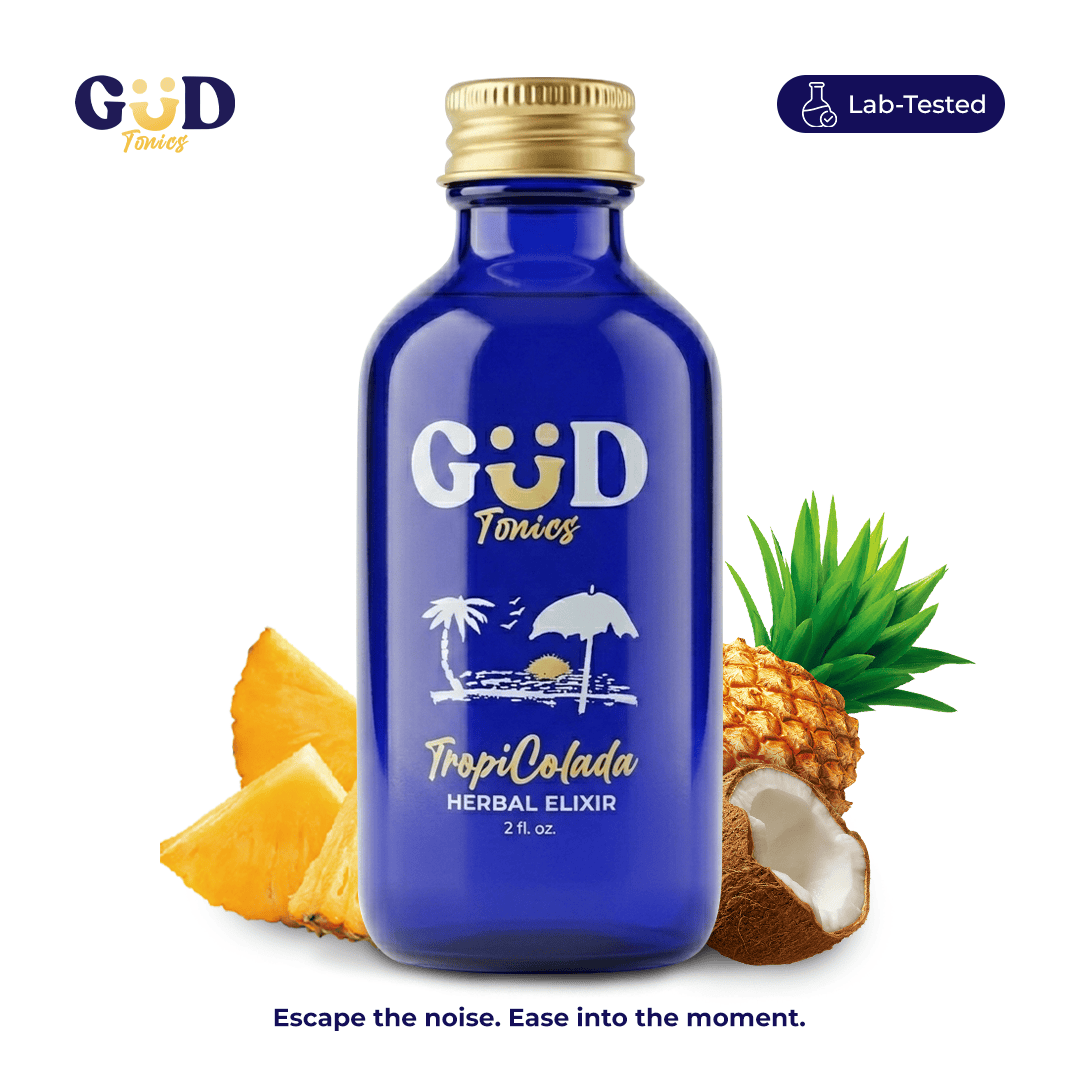
Picking a kava energy drink can feel backward at first. Kava's reputation is for helping people unwind, so a kava-based drink that also lifts you sounds like a contradiction. It isn't. The newest wave of functional beverages pairs kava with a small amount of mitragynine (MIT), the active compound from the kratom leaf, plus botanicals. You get the mellow, social calm kava is known for, and a gentle sense of clarity and steady momentum sits right beside it. No jitters. No 3 p.m. collapse. No sugar bomb. This roundup walks through seven standout options, ranked and reviewed, so you can find the one that fits your day. We stuck to kava-forward drinks rather than generic herbal sodas, and we kept every pick honest about what kava does and doesn't do. New to the category? The buyer's guide and FAQ at the bottom will catch you up fast. Table of Contents What to Expect From a Kava Energy Drink How We Chose: Our Criteria The 7 Best Kava-Infused Picks Comparison Table How to Choose the Right One for You Safety and Who Should Skip It GÜD Tonics: Calm Clarity in Every Sip Frequently Asked Questions Final Thoughts TL;DR A kava energy drink blends calming kava with a small amount of mitragynine (MIT) and botanicals, so you feel relaxed and clear-headed at the same time. Kava itself is not a stimulant. It is traditionally calming. Any sense of lift comes from the MIT component plus the absence of a caffeine-and-sugar crash. Our top pick is GÜD Tonics TropiColada, a piña colada flavor that nails the balance of mellow and bright. Effects usually arrive in about 15 to 30 minutes and feel best served chilled over ice. These products are for adults 21 and older only, contain MIT, and are not for anyone pregnant or breastfeeding. Kava carries an FDA liver advisory, so talk with your healthcare provider first. What to Expect From a Kava Energy Drink Let's set expectations straight, because this category gets oversold. Kava is the root of the Piper methysticum plant, and people across the South Pacific have prepared it for centuries as a calming, social drink. Its active compounds, called kavalactones (there are more than 18, with about 6 doing most of the work), are tied to a relaxed, sociable, easygoing feeling. On its own, kava won't wire you up the way a can of caffeine and taurine does. So where does the "energy" in a kava energy drink come from? Two places. Modern functional versions add a measured amount of mitragynine, the primary alkaloid in the kratom leaf, which many people reach for because they report a gentle, clear-headed lift at lower amounts. Just as important, you sidestep the spike-and-crash cycle conventional energy drinks create. Skip the big sugar load and the heavy caffeine dose, and you skip the slump that follows. What's left feels closer to steady, calm focus than a buzzy jolt. That combination is the whole pitch. You're not trading calm for energy. You get a relaxed baseline with a touch of clarity layered on top, which is why people describe these drinks as good for focused work, low-key socializing, gaming sessions, or winding down after a long day without feeling sedated. Onset is usually 15 to 30 minutes, and most taste best ice-cold. How We Chose: Our Criteria A roundup is only as useful as the standards behind it. Here's exactly what we weighed for each pick. Kava quality and clarity. We favored drinks built on genuine kava extract with a transparent approach to what's inside, rather than vague "calm blend" labels. Balanced effect. The best entries pair kava's calm with a sensible MIT component for clarity, without overpromising a stimulant high that kava cannot deliver. Flavor and drinkability. A functional drink you dread sipping is a functional drink you won't finish. Taste mattered. Clean formulation. Lower sugar, no reliance on a giant caffeine dose, and ingredients you can pronounce scored higher. Value and format. Ready-to-drink convenience, sensible pricing, and bundle options all factored in. Honest, compliant positioning. Brands that respect the 21-plus rule, acknowledge the kava liver advisory, and avoid wild health claims earned trust. Now to the lineup. The 7 Best Kava-Infused Picks 1. GÜD Tonics TropiColada Best Known For: The all-around best kava energy drink for first-timers and regulars alike. TropiColada is GÜD's piña colada-inspired fusion of premium kava extract and mitragynine, and it's the bottle we hand to anyone curious about the category. The flavor does a lot of heavy lifting. It tastes like a beach vacation, which makes the functional side feel like a bonus instead of a chore. The effect lands right in the sweet spot: a relaxed, social calm with enough clarity to stay engaged, whether you're heading into a creative project or meeting friends. Chilled over ice, it's refreshing. Want one drink that captures why people fall for this category? Start here. Grab a bottle of the TropiColada kava fusion and judge for yourself. Features Premium kava extract plus a measured MIT component Tropical piña colada flavor profile Ready to drink, best served cold Onset around 15 to 30 minutes Pros Outstanding, crowd-pleasing flavor Balanced calm-plus-clarity feel Approachable for newcomers Cons Tropical sweetness won't suit everyone Contains MIT, so strictly 21 and older Rating: 4.9 / 5 2. GÜD Tonics Pink Sunset Best Known For: The brightest, most uplifting pick for daytime focus. Pink Sunset is GÜD's newest flavor, and it leans into a vibrant, fruit-forward profile made for the middle of the day. If TropiColada is the easy crowd favorite, Pink Sunset is what you reach for when you want something crisper and more vivid. The kava base keeps you grounded and calm. Meanwhile, the MIT component supplies that subtle, clear-headed momentum people use to power through an afternoon of focused work, minus the wired edge of a traditional energy drink. It's the kind of kava infused energy drink that pairs well with a to-do list. Curious drinkers can explore the Pink Sunset bottle as a fresh take on the format. Features Newest GÜD flavor with a bright fruit profile Kava extract and MIT blend Designed to sip chilled Calm, clear-headed effect window Pros Vivid, refreshing flavor Great for daytime clarity Stands out from sweeter options Cons New enough that it may sell out Bold flavor is a matter of taste Rating: 4.7 / 5 3. GÜD Tonics Baja Bliss Best Known For: A crisp, low-sweet option for people who hate sugary drinks. Baja Bliss is the crisp lime flavor in the GÜD lineup, and it's the answer for anyone who finds most energy drinks cloying. The lime keeps things tart and clean, easy to drink slowly while you work or socialize. Underneath, you get the same kava-led calm with a gentle MIT lift that defines the brand. People who want a kava drink for energy that doesn't taste like candy tend to gravitate here. It's refreshing in a way that lands close to sparkling limeade, and it shines over a tall glass of ice on a warm afternoon. Features Crisp lime flavor Kava plus MIT formulation Lower on the sweetness scale Ready-to-drink format Pros Clean, tart taste with no sugary aftertaste Easy to sip during work or hangs Refreshing served cold Cons Lime is polarizing for some palates Less dessert-like than other flavors Rating: 4.6 / 5 4. Kava Oasis Best Known For: The mellow, calm-leaning choice when you want more chill than charge. Kava Oasis tilts the balance toward relaxation. Where the previous three are about calm-with-clarity, Oasis is for the moments when you mostly want to decompress while staying pleasantly present. It's a smooth, easygoing sipper that suits the end of a workday, a quiet evening with friends, or any time you want to take the edge off without checking out completely. Leaning into kava's traditional calming character, it makes a nice contrast to the brighter picks and a good match for a slower pace. Reach for Kava Oasis when calm is the priority. Features Calm-forward kava profile Smooth, easy drinking Best chilled Gentle overall effect Pros Relaxing without heavy sedation Great for unwinding Approachable taste Cons Less of a "lift" than the brighter picks Not the one for a focus push Rating: 4.5 / 5 5. Kava + Green Tea Blend Style Best Known For: A gentler, semi-caffeinated entry point for green tea fans. This is a style rather than a single SKU, and it's worth understanding if you want a softer step into the category. A kava and green tea blend pairs kava's calm with the modest, smoother caffeine of green tea, plus its naturally occurring L-theanine, an amino acid many people link to calm alertness. The result is milder than a MIT-forward drink, with a more familiar tea-style lift. It won't feel as functional as a dedicated kava energy drink. Still, for someone who wants a recognizable, lower-intensity option, it's a reasonable on-ramp. Brew it lightly, chill it, and treat it as a calm, low-buzz refresher rather than a powerhouse. Features Kava paired with green tea Naturally lower, smoother caffeine Contains L-theanine from tea Easy to make at home or buy ready-made Pros Familiar, approachable flavor Gentle, tea-style lift Good first step for the caffeine-curious Cons Still contains caffeine, unlike MIT-only options Milder, less defined functional effect Rating: 4.2 / 5 6. Quick-Lift Kava Shot Style Best Known For: A fast, portable format when you want clarity in a hurry. Don't want to nurse a full bottle? The kava shot style is the compact answer. These small-format servings concentrate kava and a measured MIT component into a few ounces, so you get the calm-plus-clarity feel in a quick, portable package. They suit travel, a midday reset, or a pre-social pick-me-up where a full drink is too much. The trade-off is intensity. Because the format is small and concentrated, it's easy to overdo, so start low and give it the full 15 to 30 minutes before you decide whether you want more. Think of shots as the espresso of the category, not a casual sipper. Features Concentrated, small-format serving Kava plus a measured MIT component Highly portable Quick onset window Pros Convenient and travel-friendly Fast, focused lift Easy to dose a single serving Cons Concentrated, so easy to overdo Less of a leisurely drinking experience Rating: 4.1 / 5 7. Instant-Kava Energy Mocktail Style Best Known For: The most customizable, build-your-own option for home mixologists. Like to tinker? An instant-kava energy mocktail puts the whole experience in your hands. Start from a quality instant or raw kava base, then build a chilled, alcohol-free mocktail with citrus, sparkling water, fresh fruit, and a touch of natural sweetness, dialing the strength up or down to taste. It's the most flexible way to enjoy kava for a relaxed lift, and it's perfect for hosting a sober-curious crowd. The catch: it takes a little effort and some practice to balance the earthy kava flavor with mixers. For a reliable base to experiment with, many home mixers start with raw kava extract powder and adjust from there. Features Built from instant or raw kava Fully customizable strength and flavor Alcohol-free mocktail format Great for hosting Pros Maximum control over taste and strength Fun, social, and creative Cost-effective per serving Cons Requires prep and some experimentation Earthy kava flavor needs masking Rating: 4.0 / 5 Comparison Table Pick Best Known For Flavor / Style Effect Lean Rating GÜD Tonics TropiColada Best overall Piña colada Calm + clarity 4.9 GÜD Tonics Pink Sunset Daytime focus Bright fruit Clear-headed lift 4.7 GÜD Tonics Baja Bliss Low-sweet pick Crisp lime Balanced 4.6 Kava Oasis Maximum chill Smooth Calm-forward 4.5 Kava + Green Tea Blend Caffeine-curious Tea-style Mild, smooth 4.2 Quick-Lift Kava Shot On the go Concentrated Fast, focused 4.1 Instant-Kava Mocktail DIY hosting Customizable Your call 4.0 How to Choose the Right One for You The right pick comes down to what you want from the experience, so match the drink to the moment. Want one bottle that captures the whole appeal? Go with a ready-to-drink GÜD flavor. TropiColada is the safest crowd-pleaser, Pink Sunset is the brightest for daytime clarity, and Baja Bliss is the call if sweet drinks aren't your thing. When relaxation outranks any lift, Kava Oasis is the obvious move. Caffeine-curious and after a familiar gateway? The green tea blend style eases you in, though remember it still contains caffeine. If portability matters most, a kava shot delivers a quick, concentrated experience, but go slow. And if you love to host or experiment, building your own instant-kava mocktail hands you total control. A few practical notes whichever you choose. Give every option the full 15 to 30 minutes before judging it, since onset is gradual. Start with less than you think you need, especially with concentrated formats. And serve everything cold. These drinks are built to be refreshing, and temperature makes a real difference. Stuck between the GÜD flavors? A multi-flavor sampler lets you taste several before committing to a favorite, built for exactly that kind of comparison. Safety and Who Should Skip It Honesty matters more than hype here, so a few non-negotiables. Every drink in this roundup contains mitragynine, which means they are strictly for adults 21 and older. They are not for anyone who is pregnant or breastfeeding. Kava deserves specific attention. While people in the South Pacific have used it for centuries and the National Center for Complementary and Integrative Health provides a balanced overview of its traditional uses and safety considerations, kava has been associated with rare liver effects, and the U.S. Food and Drug Administration has issued a consumer advisory on that point. That is not a reason to panic, but it is a reason to be sensible. Do not mix any of these drinks with alcohol. Be cautious if you take medications or have a liver condition, and talk with your healthcare provider before adding kava or MIT to your routine. For the research-minded, the peer-reviewed literature indexed on PubMed is a good place to see where the evidence currently stands, which on many points is still limited. Because both kava and MIT can feel calming, do not pair these drinks with driving, operating machinery, or swimming. Treat them as something to enjoy when you can relax, not when you need to stay sharp behind the wheel. GÜD Tonics: Calm Clarity in Every Sip If this roundup has you curious, GÜD Tonics is the brand built around exactly this idea: calm and clarity in the same glass, no alcohol, no crash. Each flavor blends premium kava extract with a measured MIT component and botanicals, so you can relax, stay focused, and feel social without the next-morning regret of a night out. Want the tropical pull of TropiColada, the bright daytime energy of Pink Sunset, or the crisp lime of Baja Bliss? There's a flavor for your mood. Ready to find yours? Browse the full GÜD Tonics lineup and pour your first one over ice. Frequently Asked Questions Does a kava energy drink actually give you energy? Not in the caffeine-jolt sense. Kava itself is calming, not a stimulant. The lift in a well-made kava energy drink comes from the small mitragynine (MIT) component plus the fact that you avoid the sugar-and-caffeine crash of conventional energy drinks. The feeling is closer to calm, clear focus than a buzzy spike. How long does it take to feel the effects? For most people, effects begin in roughly 15 to 30 minutes. Give it the full window before deciding whether to have more, since the onset is gradual rather than instant. Is it safe to drink a kava energy drink every day? Moderation is wise. Kava has been associated with rare liver effects and carries an FDA consumer advisory, so avoid alcohol, be cautious with medications or liver conditions, and talk with your healthcare provider about a routine that makes sense for you. These products are for adults 21 and older. Can I mix a kava energy drink with coffee or alcohol? Never mix it with alcohol. As for coffee, stacking caffeine on top can work against the calm, balanced feel these drinks are designed for, so most people prefer to keep them separate. Which kava energy drink is best for beginners? GÜD Tonics TropiColada is the easiest starting point thanks to its crowd-pleasing flavor and balanced calm-plus-clarity effect. If you want to compare a few, a flavor sampler lets you taste several before choosing a favorite. Final Thoughts A kava energy drink isn't about chasing a stimulant high. It's a different kind of fuel: relaxed, clear-headed, and free of the crash that follows a sugary can. The seven picks here cover the full range, from the easy appeal of GÜD Tonics TropiColada at the top to do-it-yourself mocktails for the home mixologist. Match the drink to your moment, start with a sensible serving, serve it cold, and respect the safety basics, especially the kava liver advisory and the 21-plus rule. Do that, and you've got a refreshing, alcohol-free way to find focus and calm in the same sip.
Learn more
10 Essential Benefits of Functional Drink for Mindful Living: The Ultimate Guide to a Healthier, Happier You
Sweet, caffeinated, or boozy. For years, those were your options when you reached for a drink. That's shifting fast. A new category of functional beverages now sits on shelves and in fridges, and it promises more than refreshment. These drinks pair flavor with purpose, blending botanicals, adaptogens, and other deliberately chosen ingredients to support how you feel and function as the day moves along. If you're drawn to mindful living, they offer a small daily ritual that lines up with bigger intentions around calm, focus, and wellbeing. Mindful living isn't about perfection. You pay attention to the small habits that shape your mood and energy, then you choose in ways that serve the person you want to be. What you sip counts as one of those choices. This guide walks through ten real benefits of folding functional drinks into a mindful routine, sorted into clear categories so you can zero in on the angle that matters most to you. Along the way you'll see where kava-based options like GÜD Tonics sit alongside adaptogen drinks, nootropic blends, and other wellness beverages. A quick note before we go further. GÜD Tonics products contain kava and mitragynine (MIT), so they are for adults 21 and over only. They are not for anyone who is pregnant or breastfeeding, and you should talk with your healthcare provider before adding any new functional drink to your routine, especially if you have a liver condition or take medication. With that covered, let's look at why this category has grabbed so much attention. Table of Contents TL;DR Why Functional Beverages Belong in a Mindful Routine Category 1: Mind and Mood Benefits Category 2: Energy and Focus Benefits Category 3: Body and Wellness Benefits Category 4: Lifestyle and Ritual Benefits How to Choose a Functional Drink That Fits Your Life Where GÜD Tonics Fits Into Mindful Living Final Thoughts Frequently Asked Questions TL;DR Functional beverages are drinks built to do something beyond hydration, using botanicals, adaptogens, nootropic ingredients, and traditional plants like kava. The ten benefits below fall into four groups: mind and mood, energy and focus, body and wellness, and lifestyle and ritual. For mindful living, the value lives in the daily pause these drinks create, a small intentional moment that supports calm, clarity, and connection. Adaptogen drinks, nootropic blends, and kava-based wellness beverages each bring different strengths, so your best pick depends on what your day needs. Honesty matters with this category. Kava carries an FDA liver advisory, kava and MIT are calming so they do not pair with driving or alcohol, and research on many ingredients is still limited. These drinks support a lifestyle. They do not treat or cure anything. GÜD Tonics offers a kava plus MIT social tonic for adults 21 and over who want an alcohol-free option with a gentle lift. Why Functional Beverages Belong in a Mindful Routine Consistency beats intensity in mindful living. Few of us will overhaul an entire lifestyle overnight. Most of us can change what we reach for at three in the afternoon, though, or after a long day. That's exactly where functional beverages earn their place. They slot into habits you already have and hand those habits a clearer purpose. This category has grown quickly. As more people rethink their relationship with alcohol and sugary energy drinks, demand for drinks with a job to do has surged. A 2025 Gallup survey found that the share of US adults who drink alcohol fell to 54 percent, the lowest level Gallup has recorded in nearly 90 years of tracking, down from 62 percent two years earlier. When drinkers cut back, plenty of them aren't going without. They're trading up to wellness beverages that fit a more intentional way of living. Functional drinks show up in several forms. Adaptogen drinks lean on plants traditionally used to help the body cope with everyday stress. Nootropic blends aim at mental clarity and concentration. Prebiotic sodas support gut comfort. Kava-based tonics, the lane GÜD Tonics plays in, draw on the root of the Piper methysticum plant, used across the South Pacific for centuries in social and ceremonial settings. Each one brings something different to a mindful routine, and the ten benefits below show where they overlap and where they part ways. Category 1: Mind and Mood Benefits Mindful living usually starts in the mind, so this is a natural place to begin. The first three benefits center on how the right drink can support your mental state and emotional baseline. Benefit 1: A Calmer Baseline for Everyday Stress For most people, stress is a constant background hum. Functional beverages built around adaptogens or kava are popular precisely because users say they help take the edge off without knocking them out. Kava in particular carries a long history of traditional use as a calming social drink, and many people reach for it to feel more relaxed and at ease at the end of a busy stretch. The mindful angle matters here. A calmer baseline doesn't mean numbing yourself. You're creating enough internal quiet to notice what's happening in your day and respond to it thoughtfully. According to the National Center for Complementary and Integrative Health, kava has been studied for its calming properties, though the agency notes the evidence has limits and flags safety considerations worth understanding before you start. Research on the broader category is still developing, so treat these drinks as support for a calm routine rather than a fix for anything. Benefit 2: A Lift That Helps You Feel More Social and Upbeat People often pick up a functional drink for the way it shifts their headspace. With kava-based tonics, mitragynine (MIT, the ingredient drawn from the kratom leaf) is the component many users credit for a gentle, feel-good lift. They tend to describe feeling a little more upbeat, more talkative, more inclined to connect with others. Be precise about what this means. These drinks aren't a treatment for low mood, and nobody should expect them to be. What's closer to the truth is that plenty of people enjoy feeling more sociable and lighter after a serving, which is one reason kava tonics have become a fixture of the sober-curious social scene. If your mindful goals include showing up more warmly for the people around you, a drink that nudges you that way can be a small, pleasant help. Benefit 3: A Mindful Pause Built Into Your Day This one leans less on chemistry and more on behavior, and it might be the most valuable of all. Pour a functional drink over ice, take a few quiet minutes with it, and you've created a deliberate pause. That ritual interrupts autopilot. You get a moment to breathe, check in with yourself, and reset. Tea cultures have understood this for centuries, and the same logic carries over to modern wellness beverages. The drink becomes a cue for presence. Pair a functional beverage with a couple of slow breaths or a short walk and you turn a beverage break into a real mindfulness practice. No app or cushion required. Category 2: Energy and Focus Benefits Mindful living also calls for steady energy and attention so you can do what matters without crashing or scattering. The next three benefits speak to that. Benefit 4: Clean Energy Without the Crash Traditional energy drinks hand you a spike and a slump. Many functional beverages go another way, reaching for a smoother, more even lift that doesn't leave you jittery or hollowed out an hour later. For people sensitive to caffeine, or just tired of the rollercoaster, that's a real draw. Some functional drinks use lower caffeine paired with L-theanine for a balanced feel. Others, including certain kava and MIT tonics, offer a sense of relaxed alertness instead of a hard stimulant push. The mindful payoff is energy you can use, the kind that carries focused work or an evening with friends without the tradeoff of feeling wired and then wrecked. Benefit 5: Support for Focus and Mental Clarity Nootropic drinks are built around this benefit, often featuring ingredients traditionally tied to concentration and a clearer head. For students, remote workers, and anyone juggling a long task list, a beverage that supports focus can be a useful tool in the kit. Clarity sits at the core of mindful living, since it's hard to be present when your attention keeps fragmenting. The research picture varies a lot by ingredient, so the steadiest approach is to notice how a given drink affects your own concentration rather than assume any single product will transform your focus. For peer-reviewed studies on individual botanicals and their effects, PubMed is a reliable place to read the evidence rather than the marketing. Benefit 6: A Better Alternative to Sugary or Boozy Habits Soda, energy shots, an evening drink. People drift toward these out of habit. Functional beverages give you a more intentional swap. Reaching for a wellness drink instead of a third coffee or a glass of wine is a small decision that, repeated daily, adds up to a meaningful shift in how you feel. This is where the sober-curious movement and functional drinks meet so neatly. The rise of these beverages has handed people a satisfying ritual that doesn't revolve around alcohol. Keep in mind, though, that kava and MIT are calming ingredients, so they belong in your downtime, not before driving or operating machinery, and they should never be mixed with alcohol. Category 3: Body and Wellness Benefits Mindful living includes how you treat your body. The next two benefits move from the mind to physical wellbeing and the broader idea of feeling good day to day. Benefit 7: Hydration With a Purpose At their core, most functional beverages are still drinks, which means they contribute to your daily fluid intake. Sounds basic. But hydration underpins energy, focus, and mood, so a drink that makes you want to stay hydrated is quietly doing useful work. Many wellness beverages also run lower in sugar than conventional sodas, which suits people watching their intake. The mindful angle is choosing drinks that hydrate you while fitting your intentions, rather than ones that work against them. A chilled functional tonic can do double duty: it keeps you refreshed and gives you the specific feel you were after. Benefit 8: Cleaner, More Transparent Ingredients A defining feature of the better functional beverages is a shorter, clearer ingredient list. People who care about wellness increasingly read labels, and the category has answered with botanical-forward formulas and fewer artificial additives. Knowing what's in your glass is a mindful act in itself. A little homework pays off here, because not every product lives up to its marketing and some ingredients carry real considerations. The US Food and Drug Administration offers guidance on dietary supplements and is the agency behind the consumer advisory on kava and rare liver effects. Reading reputable sources before you commit to a daily drink is part of treating your body with care, and it's the responsible way to enjoy any functional beverage that contains active botanicals. Category 4: Lifestyle and Ritual Benefits This last category pulls back to the role these drinks play in your wider life and the way you want to live it. Benefit 9: A Social Drink That Fits the Sober-Curious Life Cutting back on alcohol can feel isolating when so much socializing centers on a drink in hand. Functional beverages solve that beautifully. They give you something interesting and intentional to hold, sip, and pass around, so you stay part of the moment without the alcohol. The interest is clearly there. Industry research in 2025 found that roughly three in four Americans said they were likely to try a beverage marketed as supporting the sober-curious lifestyle. Kava tonics carry a particular advantage here, thanks to their long heritage as a communal drink. Sharing a round of a kava beverage is its own tradition, which makes these drinks a natural fit for game nights, gatherings, and any setting where you want connection without the downsides of alcohol. Benefit 10: A Daily Ritual That Reinforces Your Intentions The tenth and most encompassing benefit is the way a functional drink can anchor a mindful lifestyle. Choose a wellness beverage with purpose and that choice becomes a small daily vote for the person you're trying to be: calmer, more focused, more present, more in control of your habits. Rituals shape identity. The morning adaptogen drink, the afternoon focus blend, the evening kava tonic to wind down. Each one marks that you're living deliberately rather than by default. That cumulative effect, more than any single ingredient, is what makes functional beverages such a natural companion to mindful living. How to Choose a Functional Drink That Fits Your Life With so many options, picking the right functional beverage comes down to matching the drink to the moment. The table below gives you a simple starting point. Your goal Look for When to enjoy it Wind down and relax Kava-based tonics, calming adaptogen drinks Late afternoon or evening downtime Sharpen focus Nootropic blends, lower-caffeine drinks Work or study sessions Steady, crash-free energy Botanical energy drinks, balanced caffeine Mid-morning or early afternoon Social occasions without alcohol Kava social tonics, alcohol-free sippers Gatherings, game nights, evenings out Everyday hydration with benefits Low-sugar wellness beverages Throughout the day A few guiding principles help too. Start low and see how a new drink affects you before making it a daily habit. Read the label and understand the active ingredients. Respect the cautions: anything with kava or MIT is for adults 21 and over, is not for pregnancy or breastfeeding, should not be combined with alcohol, and is best discussed with your healthcare provider first. Mindful living and informed choices go hand in hand. Where GÜD Tonics Fits Into Mindful Living If a kava-based wellness drink sounds like the right addition to your routine, this is where GÜD Tonics comes in. Each tonic blends premium kava extract with mitragynine (MIT) and botanicals for calm, a gentle lift, and smooth energy that skips the crash, all in an alcohol-free format made for slow sipping with friends. Effects usually begin within about 15 to 30 minutes, and the tonics are best served chilled over ice, which makes them an easy fit for that mindful afternoon pause or a relaxed evening at home. New to the brand and not sure where to start? The three-bottle flavor sampler lets you try a range and find your favorite. If a bright, refreshing profile appeals, Baja Bliss leans crisp and lime-forward, while the tropical TropiColada brings a piña colada character to the kava plus MIT fusion. Ready to fold a satisfying functional drink into your mindful routine? Browse the full GÜD Tonics lineup and pick the vibe that matches your day. One more honest reminder, because mindful living means being clear-eyed. GÜD Tonics are for adults 21 and over, are not intended for anyone pregnant or breastfeeding, and should never be mixed with alcohol or enjoyed before driving. If you have a liver condition or take medication, check with your healthcare provider first. These tonics are a feel-good part of a lifestyle, not a medicine or a treatment for any condition. Final Thoughts Functional beverages have grown from a niche curiosity into a meaningful category because they answer a real desire: to make the everyday act of drinking something that supports the way we want to live. Across all ten benefits, from a calmer baseline and steadier focus to cleaner ingredients and a social ritual that doesn't depend on alcohol, the common thread is intention. These drinks reward people who pay attention to their habits. That's what ties them so closely to mindful living. Nobody was ever hunting for a magic ingredient. The aim was to build small, deliberate moments into your day that add up to feeling healthier and happier over time. Whether you gravitate toward adaptogen drinks, nootropic blends, or a kava-based tonic, the most important step is choosing with purpose and staying honest about what these drinks can and can't do. Sip slowly, listen to your body, and let the ritual do its quiet work. Frequently Asked Questions What exactly are functional beverages? Functional beverages are drinks formulated to provide a benefit beyond basic hydration. They include adaptogen drinks, nootropic blends, prebiotic sodas, and kava-based tonics, each using specific ingredients to support goals like calm, focus, or steady energy. Research varies by ingredient, so they're best seen as support for a healthy lifestyle rather than as treatments. Are functional drinks good for mindful living? Many people find they fit mindful living well, since they turn an everyday habit into an intentional moment. Pairing a wellness beverage with a short pause, a few breaths, or quiet downtime can reinforce presence and calm. The benefit comes as much from the deliberate ritual as from any single ingredient. Is kava safe to drink regularly? Kava has centuries of traditional use, but it is not risk-free. The FDA has issued a consumer advisory linking kava to rare liver effects, so you should avoid alcohol while using it, be cautious if you take medication, and talk with your healthcare provider, especially if you have any liver concerns. Products containing kava and MIT are for adults 21 and over only. Can functional beverages replace coffee or alcohol? They can be a satisfying alternative for people cutting back on either, which is a big reason the sober-curious movement and functional drinks have grown together. They aren't a guaranteed swap for everyone, and kava or MIT drinks are calming, so they suit downtime rather than situations where you need to drive or stay sharp. How do I start adding functional drinks to my routine? Begin by identifying what your day needs most, whether that's calm, focus, or crash-free energy, then choose a drink suited to that goal. Start with a small serving to see how it affects you, read the ingredient label, and respect any cautions. A flavor sampler is an easy, low-commitment way to find what works for you.
Learn more
Buy Kava Online: 9 Essential Tips for a Successful and Great Experience
Table of Contents TL;DR: Quick Tips Before You Order Vet the Seller First Confirm Quality and Sourcing Handle Legality and Logistics Protect Your Purchase After Checkout The GÜD Tonics Way to Shop Kava Final Thoughts Frequently Asked Questions Buying kava online has never been easier. Easy and safe aren't the same thing, though. Type "kava for sale" into any search bar and dozens of shops come back, from established wellness brands to bargain pages that tell you almost nothing about what's in the bottle. Some of those sellers are excellent. Others cut corners on sourcing, testing, and plain honesty in ways you'd never tolerate at a physical store. Good news: a few smart habits separate a great online kava order from a disappointing one, and you can pick them up in one read. This guide walks through nine tips for buying kava online the right way, whether you're after ready-to-drink tonics, loose powder, or a concentrated form. We'll cover how to vet a seller, how to confirm quality, how to handle legality and shipping, and how to protect yourself after you hit checkout. By the end, you'll shop like someone who knows exactly what a trustworthy kava store looks like. One quick note before we start: kava products from GÜD Tonics also contain mitragynine (MIT) and are for adults 21 and older only. TL;DR: Quick Tips Before You Order In a hurry? These nine moves make buying kava online a success. Research the seller's reputation before you trust them with your money or your wellness routine. Look for transparency about sourcing, ingredients, and the people behind the brand. Demand third-party lab testing in the form of a current certificate of analysis. Confirm noble sourcing so you avoid harsher tudei cultivars. Check legality and shipping to your specific state before you order. Read real reviews with a critical eye for patterns and red flags. Understand the return policy so a bad order is not a total loss. Weigh subscriptions and customer service as signs of a brand built to last. Spot suspiciously cheap or vague products that may be adulterated or low quality. Vet the Seller First Before you compare flavors or prices, figure out who you're buying from. The seller matters more than the specific product, because a trustworthy brand brings the same care to its whole catalog. Tip 1: Research the seller's reputation When you buy kava online, you're extending trust to a company you may never speak with directly. So do a little digging first. Search the brand name alongside words like "review," "lab results," and "complaints" and see what surfaces. You want a real presence beyond the storefront: an active social media account, press mentions, a track record that goes back more than a few weeks. A brand that's served the kava community for a while, standing behind a family of products, has more to lose by cutting corners. Be wary of pop-up shops that appear overnight with rock-bottom prices and no history. They can vanish just as fast, taking your money and any shot at support with them. A few minutes of reputation research is the cheapest insurance you'll buy when shopping for kava for sale online. Tip 2: Look for genuine transparency Trustworthy sellers don't hide. The best kava brands tell you where their root comes from, what cultivar group it belongs to, what else is in the product, and who's behind the company. Look for an honest "About" page, clear contact information, and ingredient lists that read plainly instead of leaning on vague phrases like "proprietary herbal blend." The National Center for Complementary and Integrative Health notes that kava is a traditional South Pacific plant with a long history of use, and a transparent seller will gladly connect their product to that heritage rather than dodge questions about it. Transparency also means being upfront about who a product is for. Because some social tonics combine kava with mitragynine (MIT), a responsible brand says so clearly and labels the product for adults only. If a site is cagey about its ingredients or its sourcing, you have your answer. Move on to a seller that respects your right to know what you're drinking. Confirm Quality and Sourcing A reputable seller is the foundation, but you still want proof the specific product clears a high bar. These tips help you verify quality before it ever reaches your door. Tip 3: Demand third-party lab testing and COAs This is the most important quality check when buying kava online. A certificate of analysis, or COA, is an independent lab report that confirms what's in a product. A good COA verifies the kava content, screens for heavy metals, mold, and microbial contamination, and confirms the product matches its label. The U.S. Food and Drug Administration regulates dietary supplements differently than it does medications, which means the burden of honest testing falls on the brand and the burden of verification falls on you. Reputable sellers publish their COAs or send them on request without hesitation. Can't find lab results anywhere, and the company gives you the runaround when you ask? That's a deal-breaker, no matter how appealing the price or packaging looks. Lab testing is the baseline, not a bonus. When you're shopping online and can't inspect a product in person, a current third-party COA is the closest thing to holding it in your hands. Tip 4: Confirm the kava is noble, not tudei Kava cultivars aren't all created equal, and the distinction that matters most for shoppers is noble versus tudei. Noble kava is the traditional cultivar group favored for daily use, known for a smoother, more balanced experience. Tudei kava (named for effects that can linger for "two days") carries a heavier chemical profile and is more likely to cause lingering nausea or grogginess. Vanuatu, one of the major kava-growing nations, has restricted tudei cultivars from export in favor of noble varieties, which tells you how seriously the source countries take the difference. When you buy kava online, look for the word "noble" and ideally the named cultivar somewhere on the product page. A seller who volunteers this is showing you they understand and respect the plant. A seller who stays quiet on cultivar type leaves you to gamble on your experience. Skip that gamble. Tip 5: Spot suspiciously cheap or vague products If a deal looks too good to be true, it usually is. Quality kava, sourced responsibly and properly tested, costs money to produce. A price far below everyone else can signal corners cut on sourcing, testing, or worse, an adulterated product padded with fillers or aerial plant parts that don't belong in a quality kava beverage. According to the NIH Office of Dietary Supplements, the quality of botanical products varies widely between manufacturers, which is exactly why bargain-bin pricing deserves a second look. Vagueness is the close cousin of suspicious pricing. Watch for listings with no ingredient breakdown, no cultivar information, no lab results, and stock photos instead of real product images. A great online kava experience comes from paying a fair price for a clearly described, properly tested product, not from chasing the cheapest possible pouch. Spend a little more for peace of mind and you'll rarely regret it. Handle Legality and Logistics Even a perfect product can turn into a headache if it can't legally or practically reach you. A few logistical checks keep your order smooth from cart to doorstep. Tip 6: Check legality and shipping for your location Kava itself is widely available across the United States, but rules can differ by state and locality, and products that pair kava with other botanicals may carry extra restrictions depending on where you live. Before you buy kava online, confirm the seller ships to your address and that the specific product is permitted in your state. A responsible brand often notes shipping limitations right on the site, but a quick check on your end is always worth it. Shipping logistics matter too. Look at processing times, carrier options, and whether the seller uses discreet, protective packaging that keeps a glass bottle or sealed pouch safe in transit. Reasonable shipping costs and clear delivery estimates point to a brand that has its operations dialed in. Not sure whether a product can legally reach you? Contact customer service before ordering and save everyone a headache later. Tip 7: Read reviews with a critical eye Customer reviews are one of your best windows into a product you can't taste before buying, but only if you read them well. Look past the star rating and read the actual comments. Are reviewers describing the flavor, the onset time, the packaging, and the customer service in specific terms? Specific, detailed reviews beat a wall of one-line "Great product!" entries that could be anyone. Watch for patterns rather than outliers. A single grumpy review among hundreds of happy ones tells you little, but a recurring complaint about late shipping, weak product, or poor support is a real signal. It also helps to check reviews in more than one place when you can, since a healthy mix of feedback paints a more honest picture than a curated handful. Read this way, other shoppers' experiences become your shortcut to a confident decision. Protect Your Purchase After Checkout The smartest shoppers think past the "Buy" button. These final tips protect you once your order is on its way, and help turn a one-time purchase into a routine you love. Tip 8: Understand the return policy and customer service A clear return or satisfaction policy is a quiet sign of a confident brand. Before you order, find out what happens if your product arrives damaged, if a bottle leaks in transit, or if the flavor just isn't for you. Brands that stand behind their kava tend to make returns and exchanges straightforward, while shaky sellers bury the policy or skip it entirely. Know the terms in advance and a single bad order never feels like a total loss. Customer service deserves a look too. Send a quick pre-purchase question and see how fast and how helpfully they respond. Responsive, knowledgeable support is one of the strongest signs you're dealing with a real, lasting brand rather than a fly-by-night storefront. Ever have a question about ingredients, sourcing, or who a product suits? You want a human who answers clearly. That responsiveness is part of what makes the whole experience successful. Tip 9: Weigh subscriptions and sampler options Once you find a kava seller you trust, the right ordering format can make your experience even better. Already settled on a favorite? A subscription can save you money and spare you from running out, just make sure you can pause or cancel easily before signing up. The most shopper-friendly brands keep their subscription terms flexible and clear, one more sign of a company that respects its customers. Still exploring? A sampler is the smartest way to spend your first order. Trying a variety pack of flavors lets you discover what you enjoy before committing to a full case of one thing. Plenty of people reach for kava to unwind socially, and tastes vary, so giving yourself options up front leads to a happier long-term routine. Single bottle, sampler, or subscription, matching the format to where you are in your kava journey is the finishing touch on a great online purchase. The GÜD Tonics Way to Shop Kava If reading all of this made you wish a brand would just do the homework for you, that's exactly the experience we set out to build at GÜD Tonics. We're transparent about our ingredients, we source with noble kava in mind, and we craft social tonics that blend premium kava with mitragynine (MIT) and botanicals for that signature GÜD vibe: calm, clarity, and steady energy that won't drop you off a cliff. Our products are easy to understand, so you can shop the way this guide recommends, with real information instead of guesswork. Want a chilled, ready-to-sip GÜD Tonics social tonic for your next hangout? Prefer the flexibility of loose kava extract powder for your own creations? Or a sampler to find your favorite flavor first? We built the lineup to fit how real people drink kava. Ready to put these tips into practice? Browse the full GÜD Tonics shop and find your calm one sip at a time. Final Thoughts A successful kava order online isn't luck. It's a handful of smart habits applied every time you shop. Vet the seller and look for genuine transparency. Demand third-party lab testing and confirm the kava is noble rather than tudei. Steer clear of suspiciously cheap or vague products. Check legality and shipping for your state, read reviews with a critical eye, and understand the return policy before you commit. Then choose the ordering format, single bottle, sampler, or subscription, that fits where you are in your kava journey. A few honest reminders to close. Kava has been associated in rare cases with liver effects, and the FDA issued a consumer advisory on the topic in 2002, so anyone with a liver condition or taking medication should talk with a healthcare provider before sipping. Never mix kava with alcohol, and avoid it before driving, operating machinery, or swimming, since kava is naturally calming. Kava-based GÜD products contain MIT, are for adults 21 and older, and are not for anyone who is pregnant or breastfeeding. Shop with those guardrails in place, and the next time you buy kava online, the experience will be exactly as good as you hoped. Frequently Asked Questions Is it safe to buy kava online? It can be very safe when you shop carefully. Stick to transparent sellers that publish a current third-party certificate of analysis, clearly state their kava is noble, list every ingredient, and offer responsive customer service. The risk comes from vague, untested, or suspiciously cheap listings, not from online shopping itself. A little homework on the seller is what keeps the experience safe. How can I tell if an online kava seller is legit? Look for a real track record, an honest "About" page with contact information, plainly listed ingredients, and easy-to-find lab results. Search the brand name with words like "review" and "lab results," then read customer feedback for specific, detailed comments rather than generic praise. A legit seller welcomes your questions and answers them clearly. Where can I find good kava for sale online? Good kava is sold by established wellness brands that prioritize transparency, noble sourcing, and third-party testing over rock-bottom prices. International health bodies have assessed kava's risks and benefits over the years, which underscores why quality and honest labeling matter so much. Favor sellers that connect their product to kava's traditional roots and back it up with documentation. Do I need to worry about legality when buying kava online? Kava is widely available in the United States, but rules can vary by state and locality, and products combining kava with other botanicals may face extra restrictions. Confirm the seller ships to your address and that the specific product is permitted where you live. When in doubt, contact customer service before ordering. Should I start with a single bottle or a subscription? New to a brand or to kava in general? Start small with a single bottle or a flavor sampler so you can discover what you enjoy before committing. Save subscriptions for after you've found a favorite, and confirm you can pause or cancel easily. Matching the format to your experience level makes for a happier long-term routine.
Learn more
9 Essential Best Kava Drink Picks for a Perfect 2025 Chill
Table of Contents TL;DR: The Quick Picks How We Chose the Best Kava Drinks The 9 Best Kava Drink Picks for 2025 Best Kava Drink Comparison Table Safety Notes Worth Reading Twice The GÜD Difference Final Thoughts Frequently Asked Questions Finding the best kava drink comes down to flavor, format, and what fits your evening. Some people want a ready-to-pour bottle they can grab from the fridge. Others want the slow ritual of brewing the root the traditional way, and plenty of folks land somewhere in between. This roundup compares nine of the top kava drinks and styles so you can match the right one to your mood, your schedule, and your taste. One important note before we dive in. Every option here is meant for adults 21 and over, none are for anyone who is pregnant or breastfeeding, and you should talk with your healthcare provider before trying kava, especially if you have a liver condition or take medication. With that covered, let's get into how we ranked the picks and which ones rose to the top. TL;DR: The Quick Picks For most people, the best kava drink is a ready-to-drink bottle. No prep, it tastes good, and it fits a busy life. Our top pick overall is GÜD Tonics Pink Sunset, a fruit-forward kava and MIT elixir built for an easy 2025 chill. Can't decide on a flavor? The 3-Bottle Flavor Sampler is the smartest entry point. Traditionalists will still appreciate classic kava tea and homemade kava mocktails, while instant kava and kava shots win on speed. Kava is the root of Piper methysticum, used across the South Pacific for centuries, and its kavalactones drive most of the calming character people enjoy. Kava carries a real FDA liver advisory, so avoid alcohol, keep it to adults 21 and up, and check with your healthcare provider first. How We Chose the Best Kava Drinks Before we name names, here are the criteria we used to evaluate every kava drink in this roundup. These same standards can guide your own shopping, whether or not you pick anything on this list. Flavor and drinkability. Kava root is famously earthy. The best kava drinks either tame that flavor with thoughtful botanicals and fruit profiles, or lean into it for purists who love the traditional taste. A drink you want to finish always scores higher. Convenience. How much effort does it take to get from craving to first sip? Ready-to-drink options win on speed. Traditional preparations ask more of you but reward patience. Quality and transparency. We favored options where you know what you're getting: clear ingredients, understandable sourcing, and a brand that doesn't hide behind vague claims. Consistency. A good kava drink delivers a similar experience each time. Homemade methods vary batch to batch, which is fine for hobbyists but a knock against reliability. Honest safety messaging. Kava deserves respect. We gave credit to formats and brands that acknowledge the FDA liver advisory, warn against mixing with alcohol, and keep things clearly 21 and over. Value. Price per serving matters, and so does the flexibility of single bottles versus multi-packs. Each pick below is rated out of 5 against these criteria. Ratings reflect how well each option balances enjoyment, convenience, and responsible use. They're not a medical judgment of any kind. The 9 Best Kava Drink Picks for 2025 Here are the nine top kava drinks and styles, starting with our overall favorite and working through both ready-made products and do-it-yourself formats. 1. GÜD Tonics Pink Sunset (Best Overall) Best Known For: A fruit-forward, ready-to-drink kava and MIT elixir that makes the whole experience effortless and enjoyable. Our top pick for 2025 is Pink Sunset, the newest flavor in the GÜD lineup. It blends premium kava extract with mitragynine (MIT) and botanicals into a bright, sunset-hued drink built for easy unwinding. Fruit leads, earth follows, so it goes down smoothly over ice, and the experience tends to arrive gradually within roughly 15 to 30 minutes. It's the drink you reach for at the end of a long day, or hand to a curious friend at a get-together who's eyeing the alcohol-free options. Features: Ready to drink, kava plus MIT, fruit-forward flavor, best served chilled, single bottles or multi-packs. Pros: No prep at all. Open and pour. Smooth, approachable flavor that hides kava's earthiness Clear positioning for adults 21 and over, with upfront safety messaging Gradual, easy-to-pace onset Cons: Contains MIT, so it's strictly 21 and up and not for everyone Premium ready-to-drink format costs more than brewing root yourself Rating: 4.9 / 5 2. GÜD Tonics TropiColada (Best for Tropical Flavor) Best Known For: Turning kava into a piña colada experience without the alcohol. Love tropical flavors? TropiColada is the standout. It pairs kava and MIT with a creamy piña colada profile, and the familiar tropical taste does so much of the heavy lifting that you can forget you're drinking a botanical root preparation at all. That makes it one of the most newcomer-friendly kava drinks on the list. Pour it over ice on a warm evening and it earns its spot fast. Features: Ready to drink, kava plus MIT, piña colada flavor, designed to be served chilled. Pros: Crowd-pleasing tropical flavor Great gateway drink for kava skeptics Convenient bottled format Pairs naturally with warm-weather and social settings Cons: Creamy profile won't suit everyone's mood Like all kava plus MIT drinks, it's 21 and over only Rating: 4.7 / 5 3. GÜD Tonics Baja Bliss (Best Crisp and Refreshing Option) Best Known For: A clean, crisp lime profile when you want refreshment over richness. Baja Bliss takes the opposite approach to TropiColada. Instead of creamy and tropical, it goes crisp and citrus-forward with a bright lime character. This one's for people who find sweeter drinks tiring and want something that resets the palate. Light, refreshing, easy to sip slowly. That combination makes it a strong everyday choice rather than an occasional treat. Features: Ready to drink, kava plus MIT, crisp lime flavor, best over ice. Pros: Refreshing, not sugary or heavy Versatile enough for both relaxing and social occasions Easy, no-prep format Lime profile pairs well with food Cons: Citrus tartness isn't for everyone Contains MIT, so it's for adults 21 and up only Rating: 4.6 / 5 4. Kava Oasis (Best for a Calm-Focused Sip) Best Known For: A kava-forward drink for people who want the experience front and center. Kava Oasis leans into the calming side of the kava experience. This one's for someone who already appreciates kava and wants a drink that puts relaxation front and center rather than dressing it up heavily. Plenty of people reach for something like this in the evening as part of a wind-down ritual, drawn to the same traditional relaxing reputation summarized by the National Center for Complementary and Integrative Health. As with every entry here, the experience is meant to be enjoyed responsibly and never combined with alcohol. Features: Ready to drink, kava-centered profile, made for chilled sipping. Pros: Kava-forward for those who enjoy the ingredient itself Simple, no-fuss format Fits an evening relaxation routine Consistent bottle-to-bottle experience Cons: Less flavor-driven than the fruit-forward options Calming character means no driving, machinery, or swimming afterward Rating: 4.5 / 5 5. GÜD Tonics 3-Bottle Flavor Sampler (Best for First-Timers) Best Known For: Letting you taste several of the top kava drinks before committing to a favorite. New to kava and not sure where to start? The 3-Bottle Flavor Sampler is the smartest move. Rather than gambling on a single full pack, you get to taste multiple profiles and learn what your palate prefers. That lowers the risk of buying a flavor you don't love, which makes the sampler one of the most practical picks here for beginners. Features: Variety pack, multiple GÜD flavors, ready to drink, ideal for tasting and gifting. Pros: Try several flavors in one purchase Removes the guesswork of choosing blind Great gift for a curious friend Convenient ready-to-drink bottles Cons: More expensive up front than a single bottle You may end up wishing you had more of your favorite Rating: 4.8 / 5 6. Traditional Kava Tea (Best for Purists) Best Known For: The centuries-old way of preparing kava root by hand. Want the authentic ritual? Traditional kava tea is the original kava drink. You grind the root, steep it in water, knead it, and strain it to release the kavalactones, the active compounds that researchers have studied through resources like the National Institutes of Health. This method connects you directly to how communities across the South Pacific have enjoyed kava for generations. The flavor is earthy and acquired, and the process takes real time. For purists, that's exactly the appeal. Features: Made from kava root powder, hand-prepared, fully traditional, highly customizable strength. Pros: The most authentic kava experience Full control over strength and quantity Connects you to centuries of tradition No added flavors or sweeteners unless you choose them Cons: Time-consuming preparation and cleanup Strong earthy taste that many newcomers dislike Strength can be inconsistent batch to batch Rating: 4.0 / 5 7. Instant Kava (Best for Speed Without a Bottle) Best Known For: Traditional-style kava without the lengthy preparation. Instant kava is the middle ground between brewing root by hand and buying a bottle. You mix a prepared kava powder into water or another liquid, stir, and drink. It captures more of the traditional character than a flavored bottle while sparing you the grinding and straining. Travelers love it, because it packs small and needs nothing but a cup and water. Features: Just-add-liquid powder, faster than traditional brewing, portable, adjustable strength. Pros: Much quicker than hand-preparing root Portable and travel-friendly More authentic than heavily flavored drinks You control the dose Cons: Still tastes earthy compared to flavored options Texture can be grainy if not mixed well Quality varies, so transparency matters when you buy Rating: 4.1 / 5 8. Kava Shots (Best for a Quick, Concentrated Serving) Best Known For: A small, fast serving when you want kava in seconds. Kava shots deliver a concentrated serving in a small format, perfect for when you don't want a full drink. Quick, portable, to the point. Because they're concentrated, pacing matters more, so a shot is best for someone who already knows how kava affects them. Respect the small size: less liquid doesn't mean less caution, and the same safety rules apply. Features: Concentrated single serving, fast and portable, minimal volume. Pros: Extremely quick and convenient Easy to carry No mixing or brewing Good for experienced kava drinkers Cons: Concentrated format calls for careful pacing Less of a relaxed sipping ritual Not ideal for beginners still learning their response Rating: 3.9 / 5 9. Homemade Kava Mocktail (Best for Creative Hosts) Best Known For: Building your own alcohol-free kava cocktail at home. Our ninth pick is the most hands-on, and the most fun for creative types: the homemade kava mocktail. Start with brewed kava tea or a ready-to-drink kava base, then add fresh fruit, juice, sparkling water, herbs, or a splash of coconut cream to craft a drink that's entirely yours. Fantastic for hosting, since you can build a signature alcohol-free serving that wows guests. The catch is consistency: results depend on your recipe and the kava base you start with. Never add alcohol to the mix, and keep servings sensible. Features: Customizable, mix-your-own, great for entertaining, uses a kava tea or bottled base. Pros: Endless flavor creativity Impressive for hosting and gatherings Lets you control sweetness and strength Turns kava into a celebration-worthy drink Cons: Takes effort and some experimentation Inconsistent results without a tested recipe Easy to overcomplicate; never combine with alcohol Rating: 4.2 / 5 Best Kava Drink Comparison Table Want to compare at a glance? Here's a side-by-side look at all nine top kava drinks so you can scan for the right fit. Pick Best Known For Format Prep Effort Beginner Friendly Rating GÜD Tonics Pink Sunset Best overall Ready to drink None High 4.9 / 5 GÜD Tonics TropiColada Tropical flavor Ready to drink None High 4.7 / 5 GÜD Tonics Baja Bliss Crisp and refreshing Ready to drink None High 4.6 / 5 Kava Oasis Calm-focused sip Ready to drink None Medium 4.5 / 5 3-Bottle Flavor Sampler First-timers Ready to drink None Very high 4.8 / 5 Traditional Kava Tea Purists Brewed root High Low 4.0 / 5 Instant Kava Speed without a bottle Mix powder Low Medium 4.1 / 5 Kava Shots Quick concentrated serving Concentrate None Low 3.9 / 5 Homemade Kava Mocktail Creative hosts DIY mix Medium Medium 4.2 / 5 Safety Notes Worth Reading Twice No roundup of the best kava drinks would be complete or honest without a clear safety section. Kava is widely enjoyed by adults for relaxation, but it deserves respect, and the guidance below applies to every pick above. Kava has been associated in rare cases with liver effects, and the U.S. FDA issued a consumer advisory about this. Anyone with a liver condition should be especially cautious and should talk with a doctor before trying any kava drink. Do not combine kava with alcohol under any circumstances. Because both kava and MIT are calming, do not pair them with driving, operating machinery, or swimming. Keep every option here to adults 21 and over, avoid kava entirely if you are pregnant or breastfeeding, and check with your healthcare provider first if you take medication. For broader background on dietary supplement safety and labeling, the FDA's dietary supplement resources are a solid place to start. These aren't disease treatments, and they aren't risk-free replacements for anything. Treat them as what they are, enjoyable drinks for responsible adults, and you'll get the most out of them. The GÜD Difference You probably noticed that GÜD flavors hold several of the top spots, and there's a reason beyond home-team pride. We make our kava drinks to be as easy, enjoyable, and honest as a kava drink can get. Each elixir blends premium kava extract with mitragynine and botanicals, served chilled, with effects many people notice in roughly 15 to 30 minutes. We craft the flavors so newcomers and longtime kava fans alike look forward to drinking them, and we're upfront about who these drinks are for and how to enjoy them responsibly. Still not sure which one is your best kava drink? Taste the range with the sampler, or explore the full GÜD Tonics shop to find the profile that matches your perfect 2025 chill. Final Thoughts Your best kava drink is the one that fits your life, and after working through these nine picks, you've got a clear map. Ready-to-drink bottles like Pink Sunset, TropiColada, Baja Bliss, and Kava Oasis win on convenience and flavor. The sampler is the safest bet for beginners. And traditional tea, instant kava, kava shots, and homemade mocktails reward anyone who enjoys a more hands-on ritual. Whatever you choose, let the criteria guide you: flavor you enjoy, the convenience level you want, transparent quality, and a clear-eyed approach to safety. Start small, never mix kava with alcohol, keep it to adults 21 and over, and check in with your healthcare provider if you have any health concerns. Do that, and the right kava drink can become a relaxed, reliable part of how you slow down and enjoy 2025. Frequently Asked Questions What is the best kava drink for beginners? For most beginners, a fruit-forward ready-to-drink bottle is the easiest start because it tames kava's earthy taste and needs no preparation. A variety sampler is even better, since it lets you try several flavors and learn your preference before committing. Start with a small serving, see how kava affects you, and remember it's for adults 21 and over only. Are bottled kava drinks better than traditional kava tea? Neither is universally better; it depends on what you value. Bottled kava drinks win on convenience, flavor, and consistency, while traditional kava tea offers authenticity and full control over strength for purists who love the ritual. Busy schedule? A ready-to-drink option is usually the more practical choice. Is kava safe, and are there any warnings? Kava is enjoyed by many adults in moderation, but it isn't risk-free. It has been associated in rare cases with liver effects, and the FDA issued a consumer advisory. Avoid alcohol with kava, do not use it if pregnant or breastfeeding, keep it to adults 21 and over, and consult your healthcare provider first if you have a liver condition or take medication. How long does it take for a kava drink to work? With a quality kava drink, many people begin to notice the effects within roughly 15 to 30 minutes, and the onset is usually gradual. Concentrated formats like shots can feel different from a full sipping drink, so pace yourself and give your first serving time before deciding whether to have more. Responses vary from person to person. Can I make my own kava drink at home? Yes. You can brew traditional kava tea from root powder, mix instant kava into water, or build a homemade kava mocktail using brewed kava or a bottled base plus fruit, juice, and sparkling water. Just keep servings sensible, never add alcohol, and use a tested recipe for consistent results. Homemade options are fun, though they vary more than ready-to-drink bottles.
Learn more
10 Essential Ways GÜD Tonics Stress Relief Delivers Outstanding Calm
Stress isn't a character flaw or a problem to muscle through. It's your body doing exactly what it evolved to do, just more often than modern life makes comfortable. And natural stress relief? It's less about one magic fix and more about a handful of small, repeatable habits that nudge your nervous system back toward calm. Stack a few together and the difference across a week can be noticeable. You'll find 10 ways here to relax and reset without leaning on anything harsh. We've sorted them into four practical buckets so you can grab what fits your life: things you do with your body, things you do with your time and surroundings, things you cut back on, and small rituals that signal the day is winding down. A calming GÜD Tonics moment lives inside that last bucket as one supportive ritual among many. One quick note before we start: none of this replaces medical care. If everyday stress tips into something heavier or persistent, please reach out to a qualified healthcare provider. Table of Contents TL;DR: Your Calm Toolkit Body-Based Resets Environment and Connection What to Dial Back Wind-Down Rituals Where GÜD Tonics Fits In Final Thoughts Frequently Asked Questions TL;DR: Your Calm Toolkit Natural stress relief works best as a stack of small habits, not a single fix. Body-based resets like slow breathing and movement calm your nervous system fast. Your surroundings matter too: nature, real social connection, and a tidier space all lower background tension. Dialing back caffeine, alcohol, and doomscrolling clears out some of the biggest hidden stressors. Wind-down rituals such as journaling, a steady sleep routine, and a single calming drink cue your body that the day is done. A chilled, alcohol-free GÜD Tonics elixir can be one of those evening rituals for adults 21 and over. It contains kava and mitragynine, so it's not for anyone pregnant or breastfeeding. Body-Based Resets Some of the most effective ways to calm down are physical, because stress lives in the body as much as the mind. When your heart is pounding and your shoulders are up by your ears, talking yourself out of it rarely works. Giving your body a different signal does. These three resets are free, always on hand, and often work within minutes. 1. Slow, Deliberate Breathing Breathwork is the fastest lever you have for natural stress relief, and it asks for nothing but a few quiet moments. Slow your exhale so it runs longer than your inhale, and you gently switch on the part of your nervous system responsible for rest. That effect shows up across a growing body of peer-reviewed research on slow breathing and relaxation. Try this: breathe in for a count of four, hold briefly, then breathe out for a count of six. Repeat for a minute or two. People use it before a meeting, in traffic, or in bed when the mind won't switch off. It's the most portable calm tool there is. 2. Movement You Actually Enjoy Exercise is one of the most consistently recommended ways to reduce stress naturally, but the key word is enjoyable. You don't need a punishing workout. A brisk 20-minute walk, a bike ride, a dance break in your kitchen, some gentle stretching: all of it helps your body burn off the physical charge that stress builds up. Movement also shifts your focus outward and gives your mind a break from the loop it's been stuck in. The best routine is the one you'll come back to, so pick something that feels more like play than punishment. Breaking it into small pieces works fine too. A few minutes of stretching in the morning, a walk at lunch, a slow evening stroll, and it adds up without ever feeling like a chore. Aim for consistency over intensity. Your nervous system doesn't care whether the movement happened at a gym or in your living room. 3. Progressive Muscle Relaxation Underrated, and perfect for the end of a tense day. Progressive muscle relaxation means slowly tensing and then releasing each muscle group, starting at your feet and working up to your face. By deliberately clenching and letting go, you teach your body the contrast between tension and ease, which makes the relaxed state easier to find on demand. It pairs beautifully with the slow breathing above, and it's a quiet, screen-free way to release stress you've been carrying without noticing. Most people are surprised by how much tension they were holding in the jaw, shoulders, and hands once they scan for it. Five to ten minutes is plenty. You can do the whole thing lying in bed, which makes it a natural bridge into sleep. Environment and Connection Where you are and who you're with shape your stress levels more than most people realize. You can do all the breathing in the world, but if your surroundings keep your guard up, calm stays out of reach. This category is about adjusting the world around you so relaxation has room to happen. 4. Time in Nature Spending time outdoors is one of the most reliable natural ways to relax, and you don't need a national park to feel it. A walk through a leafy neighborhood, ten minutes in a backyard, even sitting near a window with a view of trees can take the edge off feeling keyed up. Natural light also helps regulate your internal clock, which supports better sleep down the line. Pair a short outdoor walk with your slow breathing and you turn two good habits into one strong reset. Morning light is especially useful, because catching some sunshine early helps anchor your body's rhythm and can make the evening wind-down come more easily. Stuck inside? Even tending a few plants on a windowsill or opening the blinds wide offers a smaller version of the same calming effect. 5. Real Social Connection Stress shrinks when it's shared, and real connection is a strong buffer against everyday pressure. That doesn't mean venting endlessly. It means spending unhurried time with people who put you at ease, whether that's a long phone call, a meal with friends, or a low-key hangout. This is also where alcohol-free social options earn their keep, because you can connect and unwind without the next-day fog. A relaxed gathering with a feel-good drink in hand can be a social win and a stress-relief win at once. 6. A Calmer Physical Space Clutter is a quiet stressor. A constantly messy room or an overflowing inbox keeps a low hum of "unfinished business" running in the back of your mind. No need to overhaul your whole life. Clearing one surface, making the bed, or closing a dozen browser tabs can spark a surprising sense of relief. Lighting helps too. Softer, warmer light in the evening tells your body the day is winding down, while harsh overhead light keeps you alert. Picture it as clearing friction so the rest of your stress-relief tips have a calmer backdrop to work against. You're not chasing a magazine-perfect home, just a space that lets your shoulders drop the moment you walk in. What to Dial Back Sometimes the most effective move isn't adding a new habit. It's removing something that quietly winds you up. These three adjustments target common stressors hiding in plain sight, and trimming them often pays off bigger than any single relaxation technique. 7. Rethink Caffeine Timing Caffeine isn't the enemy, but its timing can sabotage your calm. That late-afternoon coffee can linger in your system for hours, leaving you wired when you're trying to wind down and undercutting your sleep without you noticing. The fix is easy: set a personal cutoff in the early afternoon and switch to caffeine-free options after that. Better sleep is one of the strongest forms of natural stress relief, and protecting it starts earlier in the day than most people expect. 8. Be Honest About Alcohol Alcohol feels like it takes the edge off, but over time it often makes stress worse, disrupting sleep and leaving you flat the next day. That's a big reason the sober-curious movement has grown so fast. Recent surveys found nearly half of Americans are trying to drink less, with the trend especially strong among younger adults. Cutting back, even a little, can steady your mood and your mornings. The win is finding alcohol-free ways to relax and socialize so you're not white-knuckling it. That's exactly the gap calming functional drinks have stepped into. 9. Set Boundaries with Your Phone Endless scrolling is a stress amplifier disguised as a break. That constant stream of news, comparison, and notifications keeps your stress response gently switched on, especially at night when the screen's light also disrupts sleep. You don't have to quit your phone. Park it in another room during meals, kill the non-essential notifications, and give yourself a screen-free buffer before bed. That buffer is one of the simplest stress relief tips, with an outsized effect on how rested you feel. Wind-Down Rituals The end of the day deserves a clear signal that work is over. Rituals are how you hand your brain that cue. Done consistently, they train your nervous system to start downshifting on schedule, which turns calm into a habit rather than a hope. This final category is where a GÜD Tonics moment naturally fits. 10. A Consistent Evening Ritual A wind-down ritual can be a short sequence you repeat most nights: dim the lights, jot a few lines in a journal to empty your head onto paper, do a few minutes of stretching or breathing, and sip something calming. Journaling helps because it gives swirling worries a place to land so they stop circling. The specific steps matter less than the consistency. Once your body learns that this sequence means "the day is done," slipping into a relaxed state gets easier night after night. For the calming-sip part of that ritual, plenty of adults are reaching for alcohol-free options. A chilled GÜD Tonics elixir, built on kava that's been used across the South Pacific for centuries, is one such choice. Kava's traditional relaxing reputation is covered in plain language by the NIH's kava overview, a level-headed place to learn what the plant is and isn't. Because it contains kava and mitragynine, it is strictly for adults 21 and over, is not for anyone pregnant or breastfeeding, and should never be mixed with alcohol. Kava also carries a real safety note: the U.S. Food and Drug Administration issued a consumer advisory in 2002 about rare liver effects linked to kava products, so it is worth reviewing the agency's guidance on dietary supplements and checking with your healthcare provider if you have liver concerns or take medication. Where GÜD Tonics Fits In Out of all 10 habits above, the evening ritual is where GÜD Tonics earns its place, and only as one option among many. We make alcohol-free herbal elixirs that blend premium kava extract with mitragynine and botanicals, built to support a sense of calm and clarity without the crash that follows alcohol or a sugary energy drink. Effects usually settle in within about 15 to 30 minutes, and the tonics taste best chilled over ice, which makes them an easy fit for a wind-down routine or a relaxed evening with friends. The brand grew out of the same shift you've probably noticed yourself: more people want to slow down and socialize without alcohol. Our lineup spans flavors like the crisp Baja Bliss lime, the tropical TropiColada, and the easygoing Pink Sunset. None of it is medicine and none of it is a cure for stress. It's a feel-good ritual that can sit alongside your breathing, your walks, and your sleep habits. If a calming alcohol-free sip sounds like a good addition to your routine, you can browse the full GÜD Tonics range and find the flavor that suits your kind of evening. Just remember it's for adults 21 and over, and keep it well away from alcohol. Final Thoughts Real, lasting natural stress relief doesn't arrive in a single dramatic move. It builds quietly from the small choices you make across a day: the long exhale before a hard conversation, the walk you take instead of one more scroll, the caffeine you skip in the afternoon, the steady ritual that tells your body the day is finally over. Each habit on its own is modest. Together, they shift the baseline. Start with one or two that feel doable rather than overhauling everything at once. Maybe it's breathwork on Monday and a phone-free dinner by Friday. As those stick, layer in another. And if a calming, alcohol-free drink helps mark the end of your day, let it be one small piece of a much bigger toolkit. You're not after a perfectly stress-free life, which doesn't exist, but a life where you have reliable ways to come back to calm. If your stress feels constant or overwhelming, treat that as a signal to talk with a healthcare provider, because some things deserve more support than habits alone. Frequently Asked Questions What is the fastest way to relieve stress naturally? Slow, deliberate breathing is the quickest tool. It works in minutes and you can do it anywhere. Lengthen your exhale so it runs longer than your inhale, and repeat for a minute or two. Pair that with a short walk or a few minutes outdoors and the effect grows. These body-based resets are the closest thing to an on-demand calm button you've got. How can I reduce stress naturally without medication? Most natural stress relief comes from stacking habits: regular movement, time in nature, real social connection, better sleep, and trimming stressors like late-day caffeine, excess alcohol, and endless scrolling. Add a steady evening wind-down ritual and you give your nervous system repeated cues to downshift. None of this replaces professional care, so see a healthcare provider if stress becomes persistent or severe. Can a drink really help with stress relief? A calming drink can support relaxation mainly through the deliberate pause the ritual creates, not as a cure. Alcohol-free options are popular because they let you unwind and socialize without wrecking your sleep. For adults 21 and over, a kava-based tonic is one such option, though it carries real safety considerations and should never be combined with alcohol. Is kava a safe natural way to relax? For many healthy adults, kava has a long traditional history as a relaxing beverage. It's not risk-free, though. The FDA issued a consumer advisory in 2002 about rare liver effects associated with kava-containing products. Keep it to adults 21 and up, avoid it if you're pregnant or breastfeeding, never mix it with alcohol, and check with your healthcare provider if you have liver concerns or take medication. How long does it take for stress relief habits to work? Some give immediate relief. Breathing, movement, and time outdoors can shift how you feel within minutes. Others compound over days and weeks as your baseline stress drops: consistent sleep, reduced caffeine, a steady evening routine. Consistency beats intensity, so a few small habits repeated daily will outperform a single big effort you can't sustain.
Learn more