Listen to this page
Read by an AI voice. The full article is read aloud, top to bottom. The four tables are on the page.
Reviewed and revised 18 September 2026. This guide is rewritten when our own information changes, not on a schedule. Product names, prices and lab reports below were checked against our live catalog on that date. See how we revise this guide.
For adults 21 and over. Not for anyone who is pregnant or breastfeeding. Talk with your healthcare provider before using either plant, especially if you have a liver condition or take any medication. Don't combine either one with alcohol.
The short version
- Kava and kratom are two unrelated plants. Kava is a root, kratom is a leaf.
- Kava comes from Piper methysticum, a shrub in the pepper family grown across the South Pacific. Kratom comes from Mitragyna speciosa, a tree in the coffee family native to Southeast Asia.
- The compound kava is measured for is a group called kavalactones. The leaf alkaloid most often discussed with kratom is mitragynine.
- They're regulated differently in the United States, and kratom rules vary by state and by city.
- GÜD Tonics sells three bottled tonics, a three flavor bundle, and a raw kava extract powder. We don't sell kratom strains, and we don't use vein colors.
- Every tonic flavor links a lab report with a lot number. Those are in the lab reports table.
What's on this page
- The short version
- What kava is
- What kratom is
- Kava vs kratom, side by side
- What GÜD Tonics actually sells
- Lab reports, lot by lot
- What this guide doesn't cover
- Age, state rules and safety
- Questions we get asked
- The short answer
- How we revise this guide
What kava is
Kava is made from the root of Piper methysticum, a shrub in the pepper family. It's grown across Fiji, Vanuatu, Tonga, Samoa and neighboring islands.
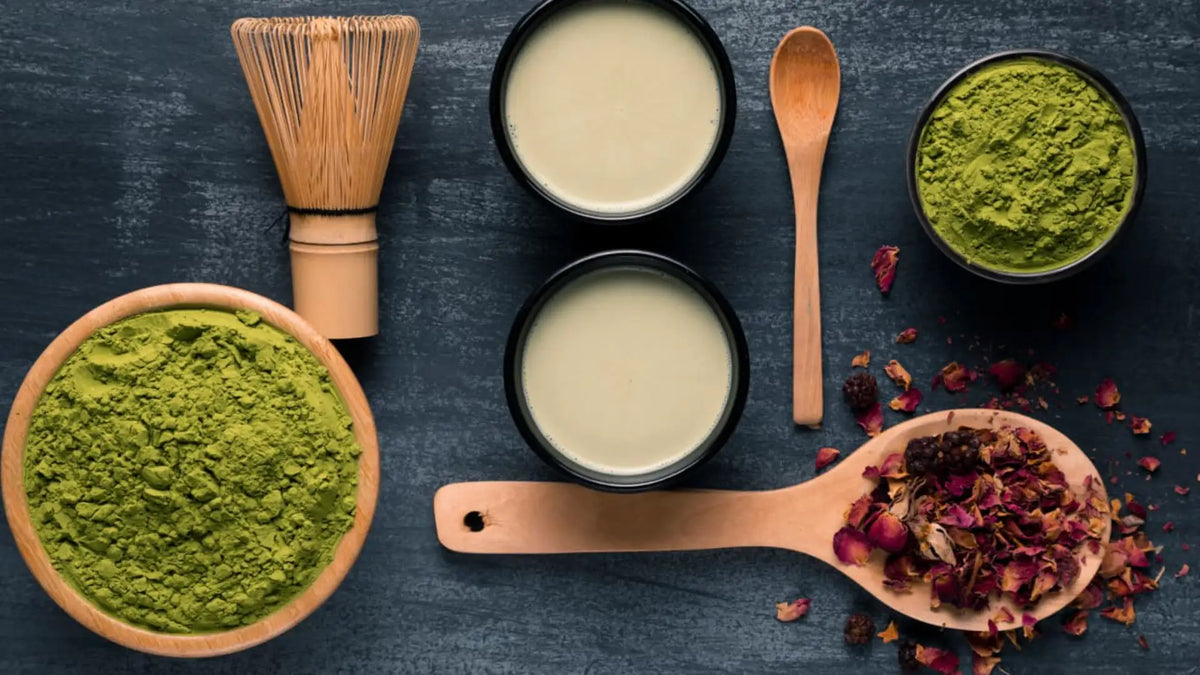
The traditional preparation is simple. The root is pounded or ground, then steeped in water and strained. It has been served from a communal bowl at gatherings, welcomes and negotiations for centuries, and it still is.
The compounds kava root is tested and graded for are a family called kavalactones. A kava extract's kavalactone percentage is the number that appears on a certificate of analysis, the same way a percentage appears on any botanical extract spec.
You'll also see the word "noble" on kava labels, including ours. Noble kava refers to cultivars that were traditionally selected for regular drinking, as distinct from tudei cultivars. It's a varietal distinction, like the difference between two coffee cultivars. GÜD's label lists noble kava root extract.
What kratom is
Kratom is a different plant entirely. It's the leaf of Mitragyna speciosa, a tree in the coffee family native to Thailand, Malaysia, Indonesia and nearby countries.
Traditionally the fresh leaves were chewed, or dried and brewed as a tea. The leaf alkaloid discussed most often is mitragynine.
Two facts about its status in the United States matter more than anything else on this page. The FDA has not approved kratom for any medical use, and there are no legal prescription or over the counter drug products containing kratom or its alkaloids on the US market. The FDA sets this out on its own kratom information page. Second, its legal status is set state by state and sometimes city by city, and it has changed several times in the last two years.
In GÜD's tonics, Mitragyna speciosa appears as one ingredient in a kava based formula. That's a different product from loose leaf powder or a concentrated extract, and we say so on every bottle and every product page.
Kava vs kratom, side by side
Most people who search for this are really asking one question: are these the same thing? They aren't, and the differences are botanical, not a matter of degree.
| Kava | Kratom | |
|---|---|---|
| Species | Piper methysticum | Mitragyna speciosa |
| Plant family | Pepper family (Piperaceae) | Coffee family (Rubiaceae) |
| Part used | Root | Leaf |
| Where it grows | South Pacific islands | Southeast Asia |
| Traditional preparation | Root pounded and steeped in water, served from a shared bowl | Fresh leaves chewed, or dried leaves brewed as tea |
| Compound on the spec sheet | Kavalactones, reported as a percentage | Mitragynine and related leaf alkaloids |
| Varietal terms you'll see | Noble and tudei cultivars | Vein colors and regional strain names |
| US regulatory status | Sold as a dietary supplement. NCCIH notes reports of liver injury linked to some kava products. | Not approved by the FDA for any medical use. Legality varies by state and city. |
| In the GÜD lineup | Noble kava root extract in all three tonics, plus a standalone raw kava extract powder | Mitragyna speciosa as one ingredient in the three tonics |
What GÜD Tonics actually sells
Here's our whole catalog as of 18 September 2026. Five products, no more.
| Product | Flavor | Sizes | Price |
|---|---|---|---|
| Baja Bliss | Guava | Single bottle, 3 pack, box of 12 | $10.99 / $29.00 / $115.00 |
| Pink Sunset | Cherry, strawberry and lime | Single bottle, 3 pack, box of 12 | $10.99 / $29.00 / $115.00 |
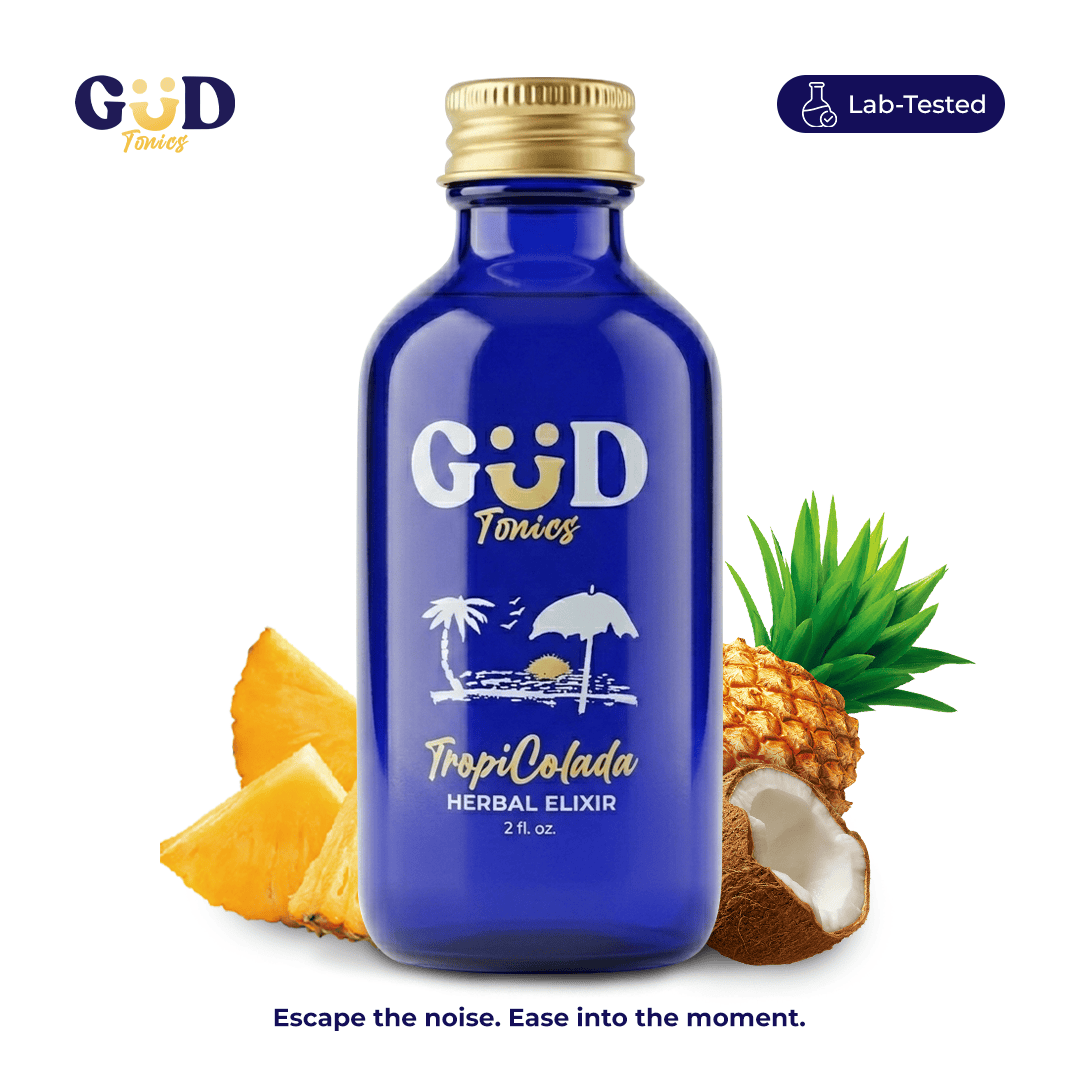
| TropiColada | Pineapple and coconut, colada style | Single bottle, 3 pack, box of 12 | $10.99 / $29.00 / $115.00 |
| Bundle | One of each of the three above | 3 bottles | $27.99 |
| Raw Kava Extract Powder | Unflavored powder | 1 oz, 3 oz | $60.00 / $160.00 |
All three tonics share the same base: water, glycerin, noble kava root extract and Mitragyna speciosa, sweetened with stevia, and alcohol free. They differ only in flavor. Each bottle is labeled as two servings, and they're made in Austin, Texas. The full ingredient panel for each one is on its own product page, and you can see the whole set on the shop page.
Lab reports, lot by lot
Each tonic flavor links its own certificate of analysis. These are the reports on the site as of 18 September 2026, and they're also collected on our lab results page. When a new lot ships, the linked report changes, and this table gets updated with it.
| Product | Lot | Report date | Prepared by | Report |
|---|---|---|---|---|
| Baja Bliss | 082026 | 6 August 2026 | Cora Science, LLC | View PDF |
| Pink Sunset | 082026 | 6 August 2026 | Cora Science, LLC | View PDF |
| TropiColada | 082026 | 6 August 2026 | Cora Science, LLC | View PDF |
| Raw Kava Extract Powder | CKW-C-A508380 | 18 August 2025 | Supplier certificate for the kava root input | View PDF |
| Bundle | See each flavor | See each flavor | See each flavor | No separate report |
Two honest notes on that table. The three tonic reports are finished product reports on the bottled tonic. The powder's document is a different kind of paperwork: it's the supplier's certificate for the kava root going in, it reports kavalactones at 30.28% against a not less than 30.0% specification, and it's dated August 2025. It isn't a finished product test, and we shouldn't present it as one.
The second note is that the Raw Kava Extract Powder's ingredient panel isn't published on its product page yet. We'd rather say that here than let you assume it's there. It's on our fix list.
If you already have a bottle and want to work through its report line by line, we wrote a walkthrough: how to read the lab report on a drink you already own.
What this guide doesn't cover
People comparing kratom strains land on pages like this one, so it's worth saying clearly that we're not the site for that.
GÜD Tonics doesn't sell kratom strains. There's no Green Maeng Da here, no Red Bali, no white vein, no vein colors at all. The whole catalog is the five products listed above. If a page on any site reviews a strain lineup and then links you here to buy it, the link and the review don't match.
We also don't publish a state by state legal count. Those lists go stale within weeks, the aggregators that publish them contradict each other, and a wrong entry on a page like this could send someone an order they shouldn't receive. Each product page lists the states and counties we don't ship to, and that list is the version we keep current.
And we don't tell you what either plant will do for you. Not because it's a technicality, but because we'd have to make something up.
Age, state rules and safety
These products are for adults 21 and over. They're not for anyone who is pregnant or breastfeeding.
Don't combine either plant with alcohol. Don't use them before driving, operating machinery, swimming, or anything else that needs your full attention.
On kava and the liver: NCCIH states that various kava products have been linked to rare cases of liver injury, some of which have been serious or even fatal. Their page on kava is a neutral place to read the detail. If you have a liver condition, or you take any medication that affects the liver, talk with your healthcare provider before using kava. That applies to our products too.
On kratom and regulation: the FDA has not approved it for any medical use, and its legal status is set locally and changes. Check your own state and city before ordering. Each product page lists the states and counties we don't ship to.
One thing worth knowing is that a rule written about one of these plants doesn't automatically cover the other, and sometimes it covers both in ways people don't expect. We walked through a live example of that: what Minnesota's 21 rule actually covers.
If you take medication or manage any health condition, talk with your healthcare provider first. That's not a formality on this page. Both plants are worth asking a professional about.
Questions we get asked
Are kava and kratom the same thing?
No. They're unrelated plants. Kava is the root of Piper methysticum, a South Pacific shrub in the pepper family. Kratom is the leaf of Mitragyna speciosa, a Southeast Asian tree in the coffee family. Different species, different plant part, different growing region, different compounds and different regulatory status in the United States.
What's the difference between kava and kratom on a label?
Kava is usually listed as kava root or kava root extract, sometimes with a kavalactone percentage and a noble or tudei cultivar note. Kratom is usually listed as Mitragyna speciosa, sometimes with a vein color or a regional strain name. If a label lists both, read the order they appear in, because that tells you which one the product is built around.
Does GÜD Tonics contain both kava and kratom?
The three tonics are built on noble kava root extract and include Mitragyna speciosa as an ingredient. We put that on the front of the bottle and on every product page, because nobody should find out what's in a drink after they've bought it. The Raw Kava Extract Powder is a kava root extract product, and its full panel is being added to its page.
Which GÜD flavor should I try first?
If you don't have a preference yet, the Bundle is one bottle of each of the three flavors for $27.99. That's less than three singles at $32.97 and less than a 3 pack of any one flavor at $29.00, so it's the better buy without needing a discount attached to it. If you already know what you like: Baja Bliss is guava, Pink Sunset is cherry, strawberry and lime, and TropiColada is pineapple and coconut.
Where are the lab reports?
Linked on each product page, collected on our lab results page, and in the table above with the lot number and report date for each one. The three tonic reports are prepared by Cora Science, LLC.
Do you sell kratom strains or vein colors?
No. There are no strain or vein products in this catalog. Five products total, listed above.
Is kratom legal where I live?
It depends on your state and sometimes your city, and it has changed more than once recently. We don't publish a legal map, because ours would be out of date before you read it. Check your state and local rules directly. Each product page lists the states and counties we don't ship to.
The short answer
Kava and kratom are two different plants that get discussed together because they turn up in the same aisle. Kava is a South Pacific root in the pepper family, measured in kavalactones. Kratom is a Southeast Asian leaf in the coffee family, and the alkaloid you'll see named is mitragynine. They're regulated differently, and kratom's legality depends on where you are.
What GÜD sells is a kava based tonic in three flavors, with Mitragyna speciosa as an ingredient, plus a raw kava extract powder. Five products. Each tonic flavor links a lab report with a lot number on it. We don't sell strains, we don't publish a legal map, and we don't tell you how either plant will make you feel. For adults 21 and over.
How we revise this guide
This page isn't finished, and it isn't meant to be. Our content gets revised as new information arrives and as we learn things we didn't know before, which is why the date at the top is there. A guide with no date on it is asking you to trust that nothing has changed since it was written.
When a lot turns over, the lab report table changes. When the catalog changes, the product table changes. When we find we've written something wrong, we fix it and say what we fixed rather than quietly editing it.
If you spot something on this page that's out of date or flatly incorrect, tell us. Corrections from readers are useful to us, and we'd rather hear it from you than leave it up.
| Date | What changed |
|---|---|
| 18 September 2026 | Full rewrite. Retitled: the previous headline described how the two plants are supposed to make you feel, and this one describes what they are. Removed all descriptions of how either plant feels, all serving and timing guidance, and the comparisons to other substance categories. Removed two citations that named NCCIH and NIDA in the text but linked to a third party site instead. Rebuilt the product section against the live catalog, which is five products. Removed a link to a three bottle sampler that no longer exists as its own product, and corrected Baja Bliss from lime to guava. Added the lab report table with lot numbers, report dates and the lab name. Added this section. |
| 24 June 2026 | Original version published. |