Table of Contents
- TL;DR: Quick Tips for Buying Kava Extract
- Know Your Product Before You Buy
- Verify Quality and Sourcing
- Read the Label Like a Pro
- Buy, Store, and Enjoy with Confidence
- Why GÜD Tonics Makes Kava Extract Simple
- Final Thoughts
- Frequently Asked Questions
Buying kava extract should feel exciting, not confusing. But the moment you start comparing products, the questions pile up fast. What does "full-spectrum" mean? Why is one pouch labeled noble and another says nothing at all? Is a higher kavalactone percentage always better? A good kava extract can become a favorite part of your wind-down routine. A careless one leaves you with something harsh, weak, or just not what you expected. The difference usually comes down to knowing what to look for before you check out.
This guide walks through seven tips for buying kava extract well. We'll cover what an extract is, how to read a label, why third-party testing matters, and how to store and enjoy it once it arrives. New to the South Pacific tradition, or have you sipped your share of shells? Either way, these pointers will help you spend smart and end up happy with what's in the cup. One reminder before you shop: kava products sold by GÜD Tonics also contain mitragynine (MIT) and are intended for adults 21 and older.
TL;DR: Quick Tips for Buying Kava Extract
Short on time? Here's the fast version of what to look for when kava extract is for sale.
- Understand the format. A kava extract concentrates the active compounds from the kava root, so a little goes further than loose, traditional powder.
- Choose full-spectrum when you can. Full-spectrum kava keeps the natural balance of kavalactones rather than isolating just one.
- Insist on noble kava. Noble cultivars are the traditional choice for daily use, while tudei kava is best avoided.
- Demand a COA. A current third-party certificate of analysis is the single clearest sign of a trustworthy seller.
- Read the label closely. Look for the cultivar, the kavalactone content, and a clear ingredient list with nothing vague.
- Store it right. Keep your extract cool, dry, and sealed to protect potency and flavor.
- Start low and go slow. Respect the concentration, mind the FDA liver advisory, and never mix kava with alcohol.
Know Your Product Before You Buy
Smart purchases start with understanding what's actually in the pouch or bottle. Kava extract isn't the same thing as the traditional ground root, and the terms on the label carry real meaning once you know how to read them.
Tip 1: Understand what a kava extract actually is
Kava comes from the root of Piper methysticum, a plant cultivated across the South Pacific for centuries and traditionally prepared as a relaxing social drink. An extract takes that root and concentrates its active compounds, called kavalactones, into a more potent and convenient form. According to the National Center for Complementary and Integrative Health, kava has a long history of traditional use in the islands, and modern extracts make those same root compounds easier to measure and serve.
So when you see raw kava extract for sale, you're looking at a product built for consistency and convenience. No straining loose powder through a cloth and guessing at strength. An extract gives you a defined starting point. But "concentrated" cuts both ways. Because the active compounds are denser, a small serving can deliver far more than the same scoop of plain root powder. That's exactly why the format matters before your first sip.
Tip 2: Know the difference between full-spectrum and isolate
Not all extracts are built the same way. A full-spectrum kava extract aims to preserve the natural ratio of the root's many kavalactones, of which there are more than eighteen, with roughly six considered the primary players. Many traditional kava drinkers prefer that whole profile kept intact, since the plant evolved with all those compounds working together.
An isolate pulls out one compound and leaves the rest behind. Isolates have their place in research settings. For an everyday social sip, though, full-spectrum kava is usually the better pick because it mirrors the traditional brew more closely. When a product just says "kava concentrate" with no further detail, that's your cue to ask questions. A transparent brand will tell you whether you're getting the whole profile or a stripped-down fraction. If the answer isn't on the label or the product page, treat the silence as a yellow flag.
Verify Quality and Sourcing
Once you know what you're looking at, confirm that the kava itself is high quality and responsibly sourced. This is where a great purchase separates itself from a regrettable one.
Tip 3: Insist on noble kava, not tudei
Serious sellers respect this distinction. Casual ones gloss right over it. Kava cultivars fall into a few categories, and the split that matters most for shoppers is noble versus tudei. Noble kava is the traditional cultivar group prized for a smoother, more balanced experience and a long record of daily use across the islands. Tudei kava (the name nods to effects that can linger for "two days") tends to carry a heavier chemical profile and can bring on lingering nausea and grogginess. The government of Vanuatu, a major kava-growing nation, has even restricted tudei cultivars from export in favor of noble varieties.
What does that mean for your purchase? Look for the word "noble," and ideally the named cultivar, somewhere on the product. If a kava extract won't tell you which cultivar group it came from, you can't be sure you're getting the gentle, daily-friendly experience you're paying for. Noble is the standard worth holding out for.
Tip 4: Demand a third-party certificate of analysis
If you remember only one tip from this whole guide, make it this one. A certificate of analysis, or COA, is a lab report from an independent third party that confirms what's actually inside the product. A solid COA verifies the kavalactone content, screens for heavy metals and microbial contamination, and confirms the product is what the label claims. The U.S. Food and Drug Administration regulates dietary supplements differently than it does drugs, which puts more responsibility on brands to test honestly and on shoppers to verify. A current COA is how you close that gap.
Reputable sellers make COAs easy to find, often linking them right on the product page or sending them on request. If a company dodges the question or only offers an outdated report, walk away. Lab testing isn't a luxury feature. It's the baseline for buying any kava extract you intend to put in your body. The best brands treat transparency as a selling point, not a chore.
Read the Label Like a Pro
You've confirmed the format and the sourcing. Now make the label work for you. A few minutes of careful reading can save you from an underwhelming or overpriced product.
Tip 5: Decode the kavalactone percentage and serving size
The kavalactone percentage tells you how concentrated a kava extract is, and it's one of the first numbers savvy shoppers check. A higher percentage means more active compounds per gram, which sounds great until you realize it also means a smaller serving goes a long way. Higher isn't automatically better. It just means you adjust your serving down accordingly. What counts most is that the percentage is stated clearly and backed by that COA we just discussed.
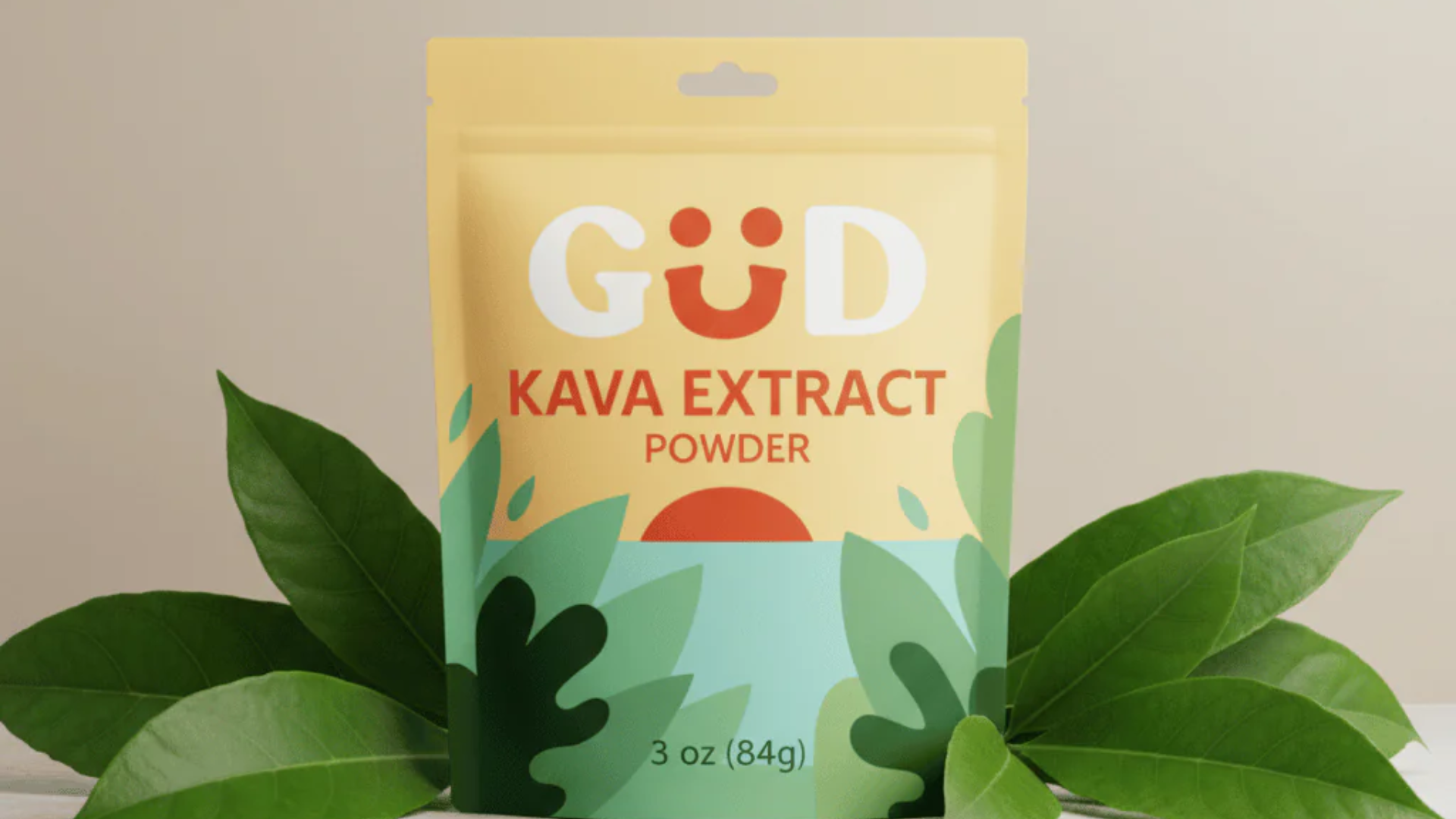
Pair the percentage with the suggested serving size and you can compare two products fairly. A pouch with a high kavalactone percentage and a tiny serving may outlast a cheaper-looking option with a low percentage and a heaping scoop. Do that quick mental math before you judge a price. Reading a label like a pro means looking past the front-of-package marketing and checking the numbers that define real value. When a brand also offers a clean, ready-measured option like a raw kava extract powder, much of that guesswork disappears because the serving is already dialed in for you.
Tip 6: Scan the ingredient list for anything that does not belong
A great kava extract has a short, honest ingredient list. You want kava, maybe a clean carrier or natural flavor, and not much else. Long lists packed with fillers, artificial sweeteners, or mystery "proprietary blends" are a reason to slow down. Proprietary blends in particular can hide how much kava you're actually getting, which defeats the purpose of comparing kavalactone content in the first place.
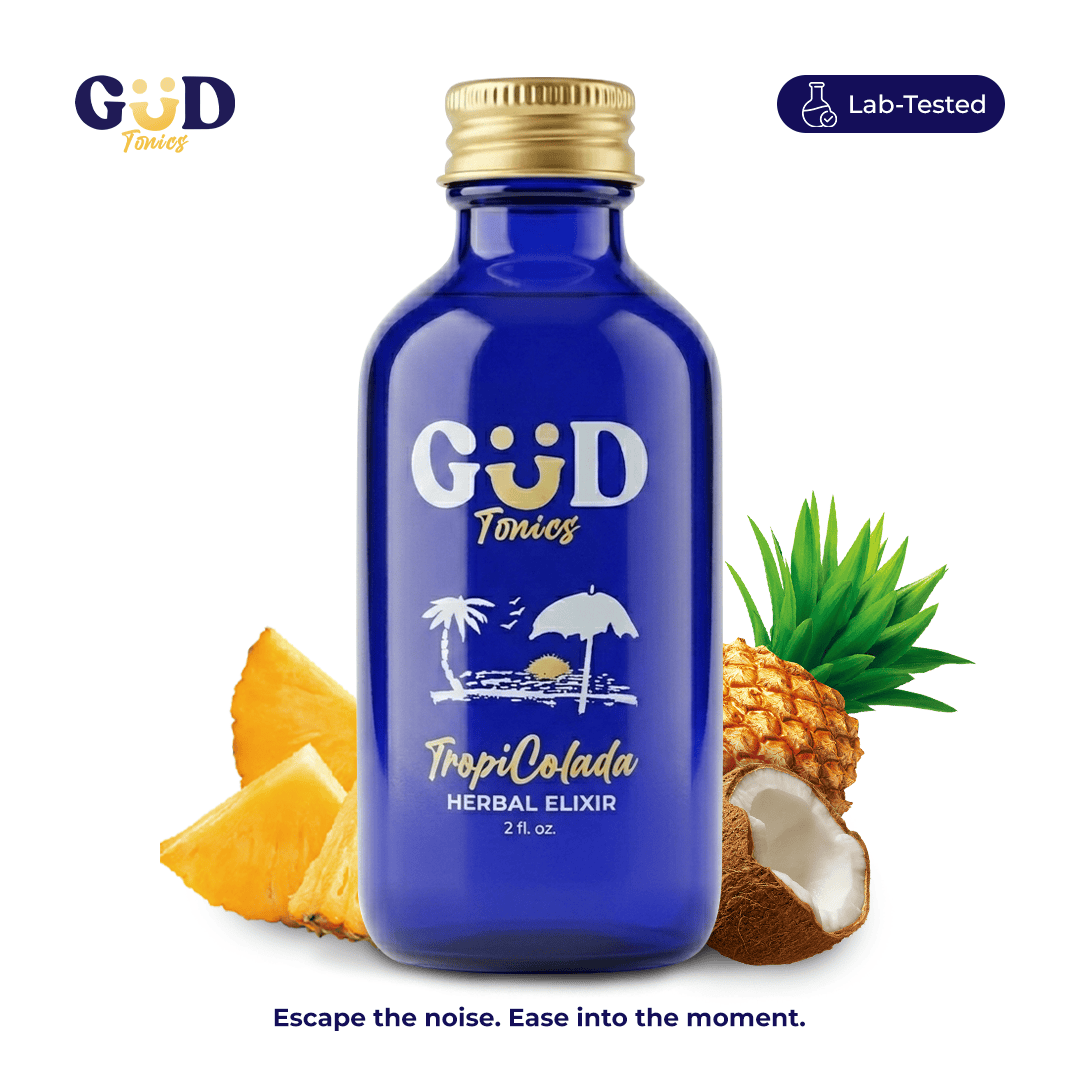
Check whether other active ingredients are present, too. Some social tonics, including ready-to-sip options like GÜD Tonics TropiColada, pair kava with mitragynine (MIT) from the kratom leaf on purpose, for a specific relaxed lift. That combination is a feature when it's disclosed clearly and a problem when it's hidden. Mitragynine is an active compound in the kratom leaf, so any product containing it should say so plainly and is for adults only. Read every line so you know exactly what you're buying and who it's meant for.
Buy, Store, and Enjoy with Confidence
The purchase doesn't end at checkout. How you store and serve your kava extract shapes whether that great buy stays great over time.
Tip 7: Store it properly and start low with every serving
Kava extract rewards good storage. Keep it sealed in a cool, dry place away from direct sunlight and heat, both of which can degrade potency and dull flavor over time. A pantry shelf or a cupboard beats a sunny countertop by a mile. If your extract comes in a resealable pouch, press the air out before sealing to help it stay fresh between sessions.
Just as important is how you serve it. Because an extract is concentrated, start with the smallest suggested amount and see how you feel before reaching for more. Effects from kava-based products generally settle in within fifteen to thirty minutes, so give that window time to pass before deciding. A few safety notes belong here. Kava has been linked in rare cases to liver effects, and the FDA issued a consumer advisory on this back in 2002, so anyone with a liver condition or taking medication should talk with a healthcare provider first. Never combine kava with alcohol, and skip it before driving, operating machinery, or swimming, since kava is calming by nature. Kava-based GÜD products also contain MIT and are strictly for adults 21 and older, and they are not for anyone who is pregnant or breastfeeding. Treat your extract with that respect and it will treat you well.
Why GÜD Tonics Makes Kava Extract Simple
After all those checks, here's the good news: you don't always have to do the homework yourself. At GÜD Tonics, we built our lineup around the exact standards this guide describes, so the heavy lifting is already done. We choose our kava with noble sourcing in mind, we're transparent about what's inside, and we pair premium kava with mitragynine (MIT) and botanicals for that signature GÜD vibe of calm, clarity, and steady energy that doesn't drop you off a cliff.
Want the measured-serving convenience of an extract for your own creations? Our raw kava extract powder gives you a clean starting point. Rather skip the prep entirely and find your favorite flavor first? Our 3-bottle flavor sampler brings the same care in a chilled, grab-and-go format. Either way, you get the easygoing experience without guessing. Ready to find your match? Explore the full GÜD Tonics collection and pick the format that fits your routine.
Final Thoughts
Buying kava extract well is mostly about asking the right questions before you spend a dollar. Understand the format so you respect the concentration. Choose full-spectrum to keep the natural balance of compounds. Hold out for noble cultivars and a current third-party COA. Read the label closely, from the kavalactone percentage down to the last ingredient. Then store it properly and start every serving low. Follow those seven tips and you stack the odds heavily in favor of a purchase you'll actually enjoy.
Kava has earned its place as a calming social tradition, and a thoughtful purchase is how you honor that. Keep the compliance basics in mind, treat the FDA liver advisory as the real guidance it is, and never pair kava with alcohol. Do that, and the next time you see raw kava extract for sale, you'll shop like someone who knows exactly what a great purchase looks like. Put these seven tips to work on your next order, and sip with confidence.
Frequently Asked Questions
What is the difference between kava extract and kava powder?
Traditional kava powder is the ground root prepared by straining it in water, while a kava extract concentrates the root's active kavalactones into a more potent, measured form. The extract is more convenient and consistent, but because it's concentrated, a smaller serving delivers more, so you start lower than you would with loose powder.
Is full-spectrum kava better than an isolate?
For everyday social sipping, full-spectrum kava is usually the preferred choice because it preserves the natural ratio of the root's many kavalactones rather than pulling out a single compound. That fuller profile matches the traditional brew more closely. Isolates are mostly useful in research contexts rather than for a relaxing daily drink.
How do I know if a kava extract is safe and high quality?
Look for three things: a clear statement that the kava is noble (not tudei), a current third-party certificate of analysis confirming kavalactone content and screening for contaminants, and a short, honest ingredient list. For broader background, the NIH Office of Dietary Supplements offers general guidance on evaluating supplements, and reputable brands make their lab results easy to find.
Can anyone buy and use kava extract?
Kava is for adults, and any GÜD Tonics product also contains mitragynine (MIT), making it strictly for those 21 and older. It is not for anyone who is pregnant or breastfeeding. Because kava has been associated with rare liver effects, anyone with a liver condition or taking medication should consult a healthcare provider, and you should never mix kava with alcohol.
How should I store kava extract to keep it fresh?
Keep your kava extract sealed in a cool, dry place away from heat and direct sunlight, both of which can reduce potency and dull the flavor over time. A pantry or cupboard is ideal. If your product is in a resealable pouch, press out the air before sealing to help preserve freshness between uses.