Table of Contents
- TL;DR: The Quick Version
- What Kava Culture Has Always Stood For
- The Cultural Meaning of Kava, Then and Now
- How Kava Tradition Crossed Oceans
- The Modern Kava Revival and Why It Is Booming
- Inside Modern Kava Culture: How People Enjoy It Today
- Kava Rituals Today: New Forms, Old Spirit
- Respecting the Roots While Embracing the New
- Where GÜD Fits in the Story
- Final Thoughts
- Frequently Asked Questions
Something quietly remarkable has happened to a centuries-old island drink. The same calming root that was once reserved for ceremony, leadership, and sacred gatherings now turns up in chilled bottles at game nights, on hiking trails, and in lounges from Florida to California. Kava culture hasn't vanished or been watered down on its way into the present. It evolved. It carried its core meaning forward while finding entirely new forms, so the way people relate to this drink today is a living continuation of a very old idea, reshaped for modern life.
This guide follows that evolution. We'll look at what kava meant in its earliest cultural context, how that meaning shifted and stayed the same as the drink spread, why the modern revival is gathering so much momentum, and how people enjoy kava today. One note before we go further: the kava drinks discussed here are made for adults 21 and over, they are not for anyone who is pregnant or breastfeeding, and you should talk with your healthcare provider first, especially if you have a liver condition or take medication.
TL;DR: The Quick Version
- Kava culture began in the South Pacific as a deeply meaningful practice, and it has evolved over time without losing its core spirit of calm, connection, and intention.
- The cultural meaning of kava has always centered on slowing down and being present with others, a value that translates remarkably well to modern life.
- Kava tradition crossed oceans and adapted, moving from ceremonial bowls to kava bars and then to ready-to-drink bottles.
- A modern revival is booming, driven by the sober-curious movement and growing interest in feeling good without alcohol or a hangover.
- People enjoy kava today in countless ways: at kava lounges, on hikes, during game sessions, at home gatherings, and as an everyday wind-down.
- Honest safety still matters: kava is for adults 21 and over, never mix it with alcohol, and the FDA has issued a consumer advisory tied to rare liver effects.
- GÜD Tonics blends premium kava extract with botanicals to bring that evolving tradition into a modern, alcohol-free pour you can enjoy your way.
What Kava Culture Has Always Stood For
To appreciate how far kava culture has come, it helps to name what has stayed constant. At its heart, kava has always been about slowing down and connecting. The plant, made from the root of Piper methysticum, grows across the islands of the South Pacific, and the people there built a whole way of relating around it. It prized presence over hurry and togetherness over isolation. If you want the botanical context behind the cultural story, the National Center for Complementary and Integrative Health offers a grounded overview of the kava plant and its traditional uses.
What makes kava culture distinctive is the kind of experience it has always encouraged. This isn't a drink associated with rowdiness or excess. Quite the opposite. The calm, sociable quality kava is traditionally linked to set the tone for gatherings that were warm, talkative, and unhurried. People came together, settled in, and gave each other their attention. That spirit, more than any single custom or recipe, is the thread running through every era of the tradition.
Let's be clear about what kava culture is not, too. It's not a quick fix, a party fuel, or a guaranteed mood. Research into kava remains limited, so many people reach for it to relax and feel sociable rather than to chase any specific effect on its own. The culture has always treated the drink as a setting for connection, not the source of it. That humble, people-first attitude is exactly what let the tradition adapt without being hollowed out.
The Cultural Meaning of Kava, Then and Now
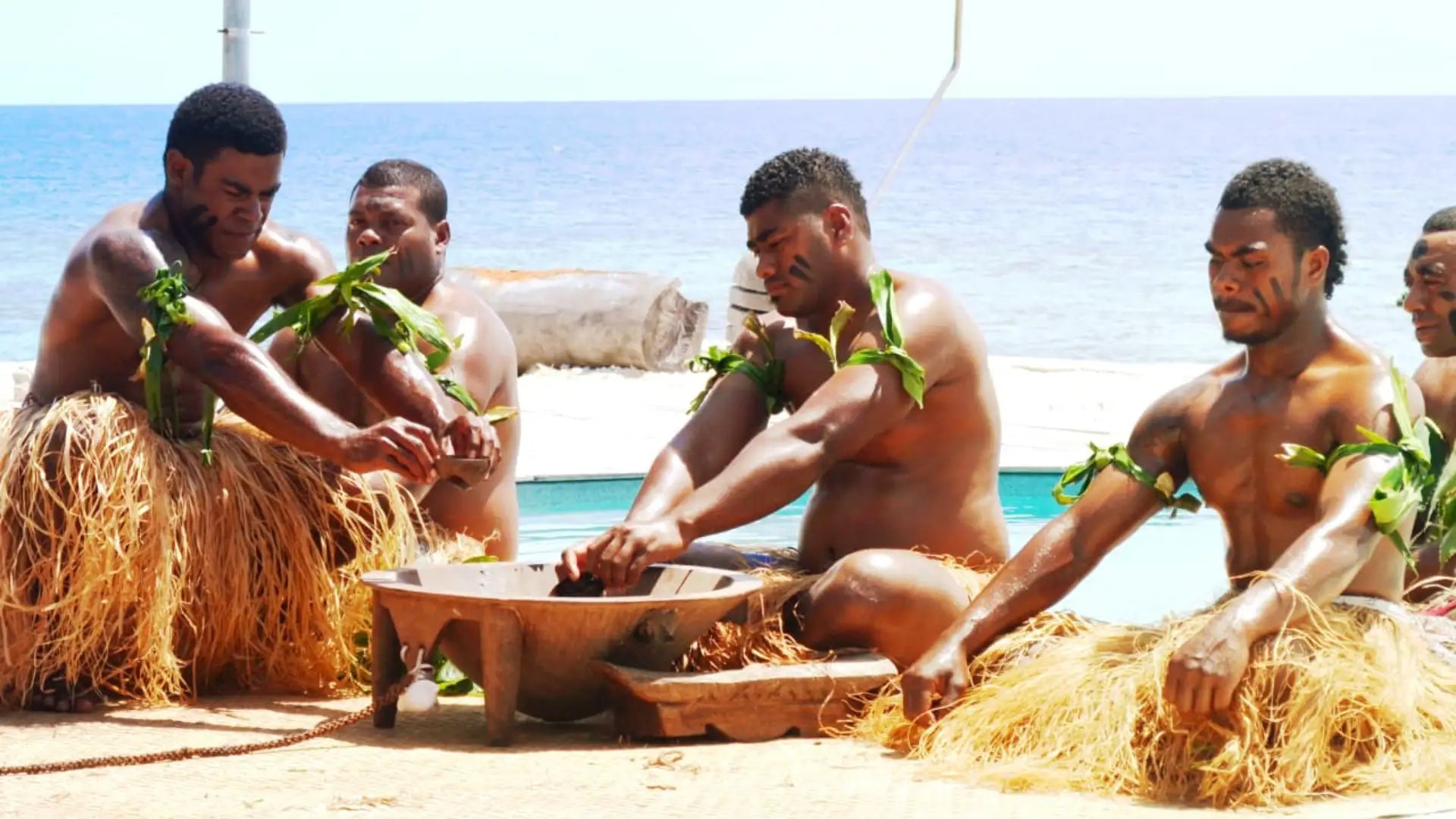
The meaning people attach to kava has shifted with the times, yet a surprising amount of it has carried straight through. In its earliest cultural context, kava held genuine significance. It marked important occasions, accompanied moments of consequence, and was treated with respect. Woven into the fabric of community life, it showed up when people gathered for reasons large and small.
Fast-forward to the present, and the surface details look completely different. Few people today are pounding root by hand or sitting in a formal ceremony. But look closer and the underlying meaning is strikingly familiar. People still reach for kava when they want to decompress, connect, and be present. They still associate it with calm rather than chaos. They still treat a kava session, whether at a lounge or on a couch, as a deliberate pause in a busy day. The form changed. The function didn't.
If anything, modern life has made the cultural meaning of kava feel more relevant, not less. In a world of constant notifications, packed schedules, and pressure to always be doing something, a drink built around slowing down and connecting has obvious appeal. The values kava tradition carried for centuries, presence, patience, and genuine togetherness, are exactly what many people feel they're missing today. That's a big part of why the tradition didn't just survive; it found a new audience. The cultural meaning aged well because the human needs behind it never changed.
How Kava Tradition Crossed Oceans
Kava didn't stay confined to the islands forever. Over time, the tradition traveled, and tracing that journey explains a lot about modern kava culture. A plant once known only across the South Pacific gradually became familiar in far-flung places, and each stage of that spread reshaped how people encountered it.
For many newcomers, the first major bridge was the kava bar. These relaxed social spaces took the communal, conversational heart of the tradition and gave it a home in cities far from the Pacific. People could walk in, order a serving, and soak up the unhurried, sociable atmosphere that has always defined kava, even if they'd never set foot on an island. Kava bars helped translate an ancient practice into a contemporary setting, and they introduced a whole generation to the drink.
The second bridge, arguably the bigger one, was convenience. As interest grew, the format evolved. Kava went from something you had to seek out and prepare into something you could just pour. Ready-to-drink kava beverages refined the root into an extract and paired it with flavors, lowering the barrier for anyone curious to try it. Some modern drinks, including the GÜD lineup, also blend in mitragynine (MIT) from the kratom leaf, which is one reason they are strictly for adults 21 and over. That shift turned kava from a niche specialty into something accessible to a wide audience. The tradition crossed oceans by adapting its form to new lives, not by staying the same, and it kept its spirit intact along the way.
The Modern Kava Revival and Why It Is Booming
There's a genuine revival underway, and it pays to understand what's driving it. Modern kava culture isn't a marketing invention. It's the result of real shifts in how people want to feel and socialize, and several of those shifts are pulling in the same direction at once.
The biggest force is the rethinking of alcohol. More adults than ever are cutting back, going dry for a month, or stepping away from drinking altogether. The sober-curious movement has created enormous demand for drinks that deliver the social ritual without the downsides. People still want something to hold at a gathering, a reason to relax, a drink that signals "I'm unwinding now." Kava answers that need directly, with a calm, alcohol-free experience and no hangover.
A second force is the broader wellness mindset. People are paying closer attention to what they put in their bodies and choosing drinks with intention. The rise of functional beverages reflects this, and you can read an evidence-minded perspective on botanicals and dietary supplements through the NIH Office of Dietary Supplements. Kava fits naturally into that mindful approach, drawing people who want a feel-good drink that also carries a sense of heritage and meaning.
A third force is storytelling and discovery. As more people learn about the deep cultural background of kava, the drink gains a richness a generic beverage can't match. There's something appealing about sipping a drink with thousands of years of tradition behind it. That sense of authenticity, plus the practical appeal of an alcohol-free option, has turned a quiet niche into a fast-growing part of how people socialize. The revival is booming because it sits where three big trends meet: drinking less, living well, and craving connection.
Inside Modern Kava Culture: How People Enjoy It Today
So what does kava culture look like day to day now? Wonderfully varied, as it turns out, because part of the modern shift is that there's no single right way to enjoy it anymore. The tradition has fanned out into many settings, each with its own vibe. Here are a few of the ways people fold kava into their lives today:
- At kava lounges and bars. For many, the social space is still the entry point. These spots recreate the communal, conversational spirit of the tradition in a modern setting, offering a place to gather without alcohol.
- On the trail and outdoors. Hikers and outdoorsy types reach for a calming, alcohol-free drink at a scenic overlook or after a long walk, when they want to relax rather than rev up.
- During game sessions. Gamers and friends gathered around a screen often want something that helps them stay loose and present through a long session, which suits a calm drink well.
- As a social swap at gatherings. Plenty of people now bring kava drinks to a get-together instead of wine or beer, giving the sober-curious and everyone else a genuine drink to share.
- As an everyday wind-down. Perhaps the most common modern use is simply the personal pause: a chilled pour at the end of a busy day, a moment to slow the pace before the evening.
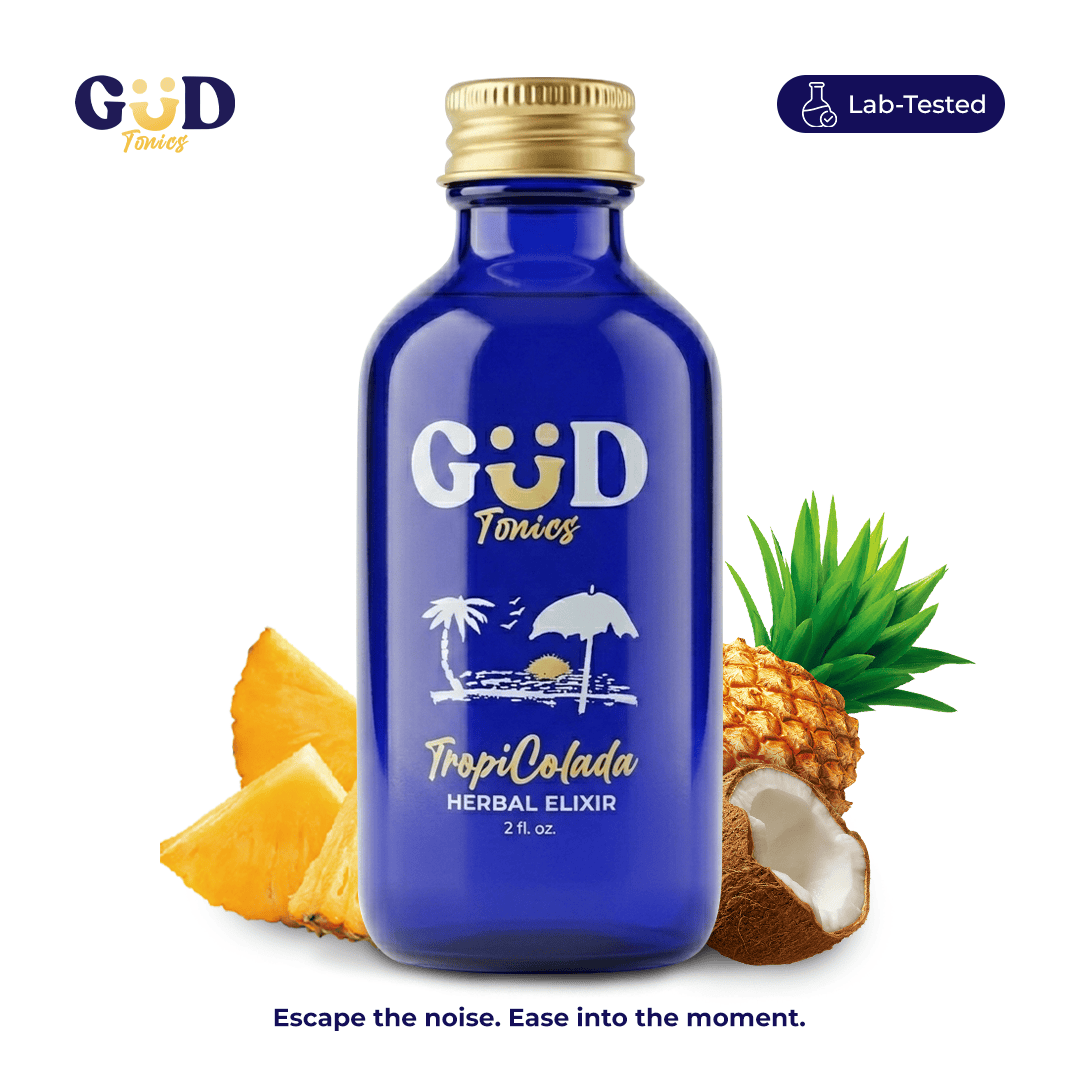
What ties all of these together is the same intention that has always defined kava: a deliberate choice to relax and be present. The setting has expanded dramatically, but the reason people reach for it hasn't. Whether someone's at a buzzing lounge or alone on their porch, they're tapping into the same essential idea. Not sure where to start? A flavor-forward option like TropiColada makes an easy introduction to the modern format.
Kava Rituals Today: New Forms, Old Spirit
You might assume convenience has stripped all ceremony out of the experience. Not quite. Kava rituals today look different from the formal customs of the past, yet plenty of people have built their own small rituals around the drink, and that instinct is itself a continuation of the tradition.
For some, the modern ritual is about setting. They pour over ice, find a comfortable spot, put the phone aside, and treat the drink as a signal to shift gears. That deliberate pause is a personal echo of the unhurried pace that has always been central to the tradition. For others, the ritual is social. They gather a small group, share a few bottles, and let the conversation stretch out, recreating the communal warmth of the practice in a living room instead of around a carved bowl.
There's also a growing appreciation for doing things with intention rather than on autopilot. People who enjoy kava often describe wanting to be present, to savor the moment, to resist the pull of constant distraction. That mindset is, in spirit, the same one island cultures built into the original ceremony. The vessel changed from a wooden tanoa to a glass over ice, and the occasion shifted from formal gathering to everyday pause, but the underlying impulse to slow down and mean it remains. Modern kava culture, at its best, isn't the absence of ritual. It's the reinvention of it. Want to explore that for yourself? Sampling a few profiles is exactly what the 3-Bottle Flavor Sampler is built for.
Respecting the Roots While Embracing the New
A thoughtful relationship with modern kava culture means holding two things at once: enthusiasm for where the tradition is going and respect for where it came from. The drink in a chilled bottle is the latest form of a practice with deep significance to the island cultures that gave it to the world. Enjoying it today carries more meaning when you remember that.
Respecting the roots also means being honest about safety, which the island traditions always took seriously in their own way. Kava is enjoyed by many adults for relaxation, but it isn't risk-free, and that honesty is part of treating the tradition with care. Kava is for adults 21 and over and not for anyone pregnant or breastfeeding. It has been associated in rare cases with liver effects, which is why the U.S. Food and Drug Administration issued a consumer advisory; you can review the agency's dietary supplement information for context on how these products are regulated. Anyone with a liver condition should be especially cautious and speak with a doctor first.
Two rules keep modern kava enjoyment responsible. First, never combine kava with alcohol. The entire appeal of the modern revival is that kava is the alcohol-free choice, and mixing the two undermines that and your safety. Second, because both kava and MIT are calming, don't pair them with driving, operating machinery, or swimming. If you take any medication, check with your healthcare provider before adding a kava drink to your routine. Embracing the new and honoring the old aren't in tension. Doing both, thoughtfully, is how a tradition this valuable stays healthy as it grows.
Where GÜD Fits in the Story
GÜD Tonics sits right at the meeting point of old and new. We blend premium kava extract with mitragynine and botanicals to craft herbal elixirs made for calm, clarity, and connection, without alcohol and without a crash. We think of our drinks as the modern chapter of a long story: the same calming, social spirit that has defined kava for centuries, poured into a format that fits the way people live now. Effects are typically noticeable in roughly 15 to 30 minutes, and our flavors are made to be enjoyed chilled, your way, whether you're gathering with friends or taking a solo moment to unwind. Our newest flavor, Pink Sunset, was created for exactly those feel-good moments.
We also believe carrying a tradition forward responsibly means being upfront about our ingredients and who our drinks are for. Want to take part in modern kava culture and make the ritual your own? Browse the full GÜD Tonics shop and pick a flavor to start your own version of the tradition.
Final Thoughts
Kava culture is a rare example of a tradition that changed dramatically while staying true to itself. The bowls and ceremonies of the past have given way to lounges, bottles, and personal rituals, yet the heartbeat of the practice is unchanged. It's still a drink about slowing down, connecting, and being present, and those values have only grown more appealing in a fast, distracted world.
That's the real story of kava's evolution from ancient ritual to modern sips. An old custom wasn't replaced by a new product; an enduring idea kept finding fresh forms in each generation. When you pour a kava drink today, you're joining a tradition that has adapted again and again without losing its soul. Enjoy it responsibly, make the ritual your own, and you become part of the next chapter of a story that's still being written.
Frequently Asked Questions
What is kava culture and how has it changed over time?
Kava culture refers to the traditions, customs, and social meaning built around kava, a drink made from the root of the Piper methysticum plant. It began in the South Pacific as a deeply significant practice and has evolved over time from formal ceremony to kava bars to ready-to-drink bottles. What stayed constant through every era is the core spirit: slowing down, connecting with others, and being present. The forms changed, but that underlying purpose didn't.
Why is the modern kava revival becoming so popular?
Modern kava culture is booming largely because of three overlapping trends. More adults are rethinking alcohol and want a calm, hangover-free way to socialize; the wellness mindset has people choosing drinks with intention; and the deep cultural heritage of kava gives it an authenticity generic drinks lack. Together, these make kava appealing to the sober-curious, the wellness-minded, and anyone craving genuine connection.
How do people enjoy kava today?
People enjoy kava in many ways today. Some visit kava lounges for the social atmosphere, others bring kava drinks on hikes or to game nights, and many use it as an everyday wind-down at home. Plenty of people now offer kava at gatherings instead of alcohol. What unites all these settings is the same intention that has always defined kava: a deliberate choice to relax and be present, whether in a group or alone.
Do kava rituals still exist in the modern world?
Yes, though they look different. Kava rituals today are often personal rather than formal. People might pour over ice, set the phone aside, and treat the drink as a signal to slow down, or they might gather a small group to share bottles and stretch out a conversation. These modern habits reinvent the unhurried, intentional spirit that defined the original ceremonies, just adapted to contemporary life.
Is it safe to drink kava as part of the modern revival?
Kava is enjoyed by many adults for relaxation, but it isn't risk-free. It is for adults 21 and over and not for anyone pregnant or breastfeeding. Kava has been associated in rare cases with liver effects, which prompted an FDA consumer advisory, so anyone with a liver condition should talk to a doctor first. Never mix kava with alcohol, and because it is calming, don't drive or operate machinery after drinking it. Check with your healthcare provider if you take any medication.