
Table of Contents
- TL;DR: The Quick Version
- Why Self-Care Matters Most in Demanding Seasons
- The Building Blocks of Sustainable Self-Care Rituals
- Sleep and Rest as the Foundation
- Movement That Meets You Where You Are
- Connection and the People Who Steady You
- Mindful Pauses Throughout the Day
- A Calming, Alcohol-Free Drink to Mark the Moment
- Where GÜD Tonics Fits Into Your Routine
- Final Thoughts
- Frequently Asked Questions
Some seasons ask more of us than others. A brutal stretch at work, a big transition, caregiving, a move, or just a few months where everything lands at once. Any of it can leave even the most capable person stretched thin. In those stretches, self-care rituals stop being a nice extra. They become the thing that keeps you steady. Not the elaborate, expensive kind that needs a free afternoon you don't have, but small, repeatable practices that fit into an ordinary day and pull you back to yourself.
This guide is about building exactly that, a set of simple, sustainable rituals for calm and balance during the harder chapters. We'll walk through the building blocks that matter most, from sleep and movement to connection and mindful pauses, and how a calming, alcohol-free drink can become a small daily anchor. One note before we start: nothing here is medical advice, the kava drinks mentioned are for adults 21 and over, and any health concern, including questions about menopause or any specific condition, is a conversation to have with your doctor.
TL;DR: The Quick Version
- Self-care rituals are small, repeatable practices that keep you grounded during stressful or demanding seasons. They work best when they're simple enough to actually keep.
- The most dependable building blocks are sleep, movement, connection, and mindful pauses, layered together rather than chased one at a time.
- Rest is the foundation. Steady sleep makes every other habit easier, and a tired body finds calm much harder to reach.
- Movement doesn't have to be intense to count. Gentle daily activity is often more sustainable than an all-or-nothing fitness push.
- A calming, alcohol-free drink can become a satisfying ritual that marks a pause in your day, no alcohol involved.
- None of this replaces medical care. Talk to your doctor about menopause, any symptoms, or any health concern, and treat these rituals as supportive habits, not treatments.
Why Self-Care Matters Most in Demanding Seasons
It's easy to treat self-care as something you earn once everything else is handled. Here's the irony. The busier and more stretched you are, the more it matters, yet it's the first thing to get cut when life fills up. Stress doesn't pause to let you catch your breath, which is exactly why a few steady habits become so valuable. They're the anchor that keeps you from drifting too far from yourself when everything around you is in motion.
Stress isn't the enemy, and you're not trying to eliminate it. A certain amount is a normal part of a full life, and some of it even pushes us to grow. Trouble comes when stress runs unchecked for too long without any counterbalance, leaving you depleted, foggy, and short on patience. Self-care rituals are that counterbalance. They give your nervous system regular chances to settle, your mind a moment to reset, and your body the basic support it needs to keep going.
The word ritual matters more than it looks. A ritual is something you do on purpose and return to, unlike the occasional treat you grab once you're already running on empty. When calming practices are woven into the ordinary rhythm of your days, they catch you before you crash instead of rescuing you afterward. That shift, from reactive to routine, is everything. It's what makes everyday self-care feel less like one more task and more like the thing holding the rest together.
The Building Blocks of Sustainable Self-Care Rituals
When people picture self-care, they imagine something elaborate. The spa day. The weekend retreat. Those can be lovely, but they're not what carries you through a hard stretch. What holds you steady is the small stuff repeated often, the habits humble enough to survive a busy week. The most sustainable self-care rituals are built from a few reliable building blocks that reinforce one another.
Four matter most: rest, movement, connection, and mindful pauses. Each supports the others. Good sleep makes movement easier, movement improves sleep, connection lifts your mood and lowers stress, and mindful pauses help you notice what you need before you hit empty. You don't have to perfect all four at once. Trying to overhaul everything in a week is usually how good intentions collapse. Pick one, make it a real habit, and let it create momentum for the next.
There's wisdom in keeping these rituals modest. A two-minute breathing break you actually take every day beats a thirty-minute meditation you keep meaning to start. A short walk you never skip does more over a month than an ambitious gym plan you abandon by week two. For anyone who wants evidence over wellness hype, the National Center for Complementary and Integrative Health offers a balanced overview of mind and body practices. With that mindset in place, let's look at each building block in turn.
Sleep and Rest as the Foundation
If you only have the energy to protect one self-care practice during a demanding season, make it sleep. Rest is the foundation everything else stands on. Well slept, your patience stretches further, your mood holds steadier, and your ability to handle stress improves across the board. Running short, the opposite happens. Even small problems start to feel heavier than they are.
Protecting rest doesn't require a perfect setup, just a few consistent choices. Aim for a regular bedtime and wake time so your body knows what to expect. Give yourself a calm landing in the last stretch of the evening instead of working or scrolling right up to lights-out. Keep your bedroom cool, dark, and quiet, and treat the wind-down before bed as a real part of your day. These are simple moves, and their payoff compounds night after night.
Rest means more than nighttime sleep, too. Short pauses during the day, a few minutes with your eyes closed, a real lunch break away from your desk, a slow cup of something warm. All of it takes the edge off accumulated stress. In seasons when full nights are hard to come by, these small recoveries help bridge the gap. For plain-language guidance on healthy habits, the health information from the National Institutes of Health is a reliable place to read up. Treat rest as non-negotiable, not the thing you sacrifice first, and the rest of your habits get far easier to keep.
Movement That Meets You Where You Are
Movement is one of the most reliable ways to discharge stress and lift your mood, but for a lot of people it gets tangled up with pressure and guilt. The good news? Helpful movement has very little to do with intensity. No punishing workout, no perfect streak. You just need to move in ways that feel good and that you can sustain, especially when your schedule and energy are already stretched.
A daily walk is one of the most underrated self-care rituals there is. It clears your head, gets you outside, gently raises your energy, and asks almost nothing in equipment or planning. Stretching, gentle yoga, dancing around the kitchen, gardening, playing with kids or pets, all of it counts. The aim is to break up long stretches of sitting and give your body regular chances to feel alive and capable, not to hit a number on a tracker.
Meet yourself where you are. On a high-energy day, a longer or more vigorous session might feel great. On a depleted day, five minutes of stretching might be exactly right, and that still counts. Letting your movement flex with your energy keeps it sustainable, which is what matters most over a long season. Consistency you can maintain beats intensity you cannot, every time. A gentle daily habit will carry you much further than an all-or-nothing push.
Connection and the People Who Steady You
It's tempting to retreat when life gets hard. Stress narrows our focus, and time with others can feel like one more thing to manage when you're already maxed out. Yet connection is one of the most powerful buffers against stress we have, and pulling away during a tough stretch usually makes the weight feel heavier, not lighter. Building connection into your rituals is how you make sure you don't face the demanding seasons alone.
You don't need a packed social calendar for this. Meaningful connection can be small and low-effort. A short call with someone who gets you, a text thread that makes you laugh, a standing coffee with a friend, a shared meal at the end of the week. All of it does real good. Aim for regular contact with people who leave you feeling more like yourself, not the obligatory events that drain you further. Quality beats quantity here.
Connection also includes the people you live with and see every day. In a busy season, the people closest to us quietly become logistics partners instead of companions. Carving out a few unhurried minutes to actually talk, share a slow drink, or simply be together without a task attached can restore a warmth that stress tends to erode. Treat connection as a ritual rather than something you'll get to eventually, and it becomes one of the steadiest sources of calm you have.
Mindful Pauses Throughout the Day
Demanding seasons put us on autopilot. We rush from one thing to the next, rarely stopping long enough to notice how we're doing. Mindful pauses are the small, deliberate breaks that interrupt that momentum and bring you back to the present. They're some of the most portable rituals around. No equipment, no special place, just a minute or two.
A mindful pause can be a few slow, deep breaths before you start a new task. It might be stepping outside to feel the air, a short stretch between meetings, or a quiet minute with a warm drink where you do nothing but taste it. You're not trying to clear your mind completely or reach some perfect state of calm. You're stepping out of the rush long enough to reset, even slightly, before diving back in.
These pauses work precisely because they're easy to repeat. Scattered through a hectic day, they keep stress from building to a peak and remind you that you have some say over your own pace. Many people find it helps to attach a pause to something they already do, like the start of a commute, the boil of a kettle, or the first sip of an afternoon drink. Anchor a pause to an existing habit and it's far more likely to stick. Over time those brief resets add up to a noticeably calmer way of moving through your days.
A Calming, Alcohol-Free Drink to Mark the Moment
There's a quiet comfort in pausing to prepare and enjoy a drink. The ritual of it, choosing the glass, pouring something over ice, taking a slow first sip, becomes a natural cue to downshift. A calming, alcohol-free drink gives your self-care a sensory anchor, a small moment of pleasure that signals you're taking a real break instead of just powering through.
Choosing alcohol-free is worth doing on purpose. A glass of wine is the common go-to for unwinding, but alcohol can disrupt sleep and leave you feeling worse the next day, which works against the very balance you're building during a hard season. There's a growing world of satisfying alternatives, from herbal teas and sparkling botanicals to craft mocktails and functional beverages, that keep the soothing ritual without the downsides. The drink becomes a treat that supports your wellbeing instead of quietly chipping away at it.
For adults 21 and over who want a more flavorful option, a kava-based drink can be one optional part of a calming routine. Kava comes from the root of a South Pacific plant traditionally enjoyed in relaxed social settings, and many people reach for it simply because they like the mellow, unwound feeling of a chilled glass. It's worth being clear about the cautions. Kava has been associated in rare cases with liver effects, which is why the U.S. Food and Drug Administration has issued a consumer advisory, and you can review the agency's dietary supplement information for context on how these products are regulated. Kava is not a treatment for any condition, and it should never be mixed with alcohol. Anyone who is pregnant or breastfeeding, anyone with a liver condition, and anyone taking medication should skip it, and because it is calming, it is not for pairing with driving or operating machinery. Enjoyed thoughtfully and in moderation, it can be the flavorful, alcohol-free centerpiece of a pause you look forward to.
Where GÜD Tonics Fits Into Your Routine
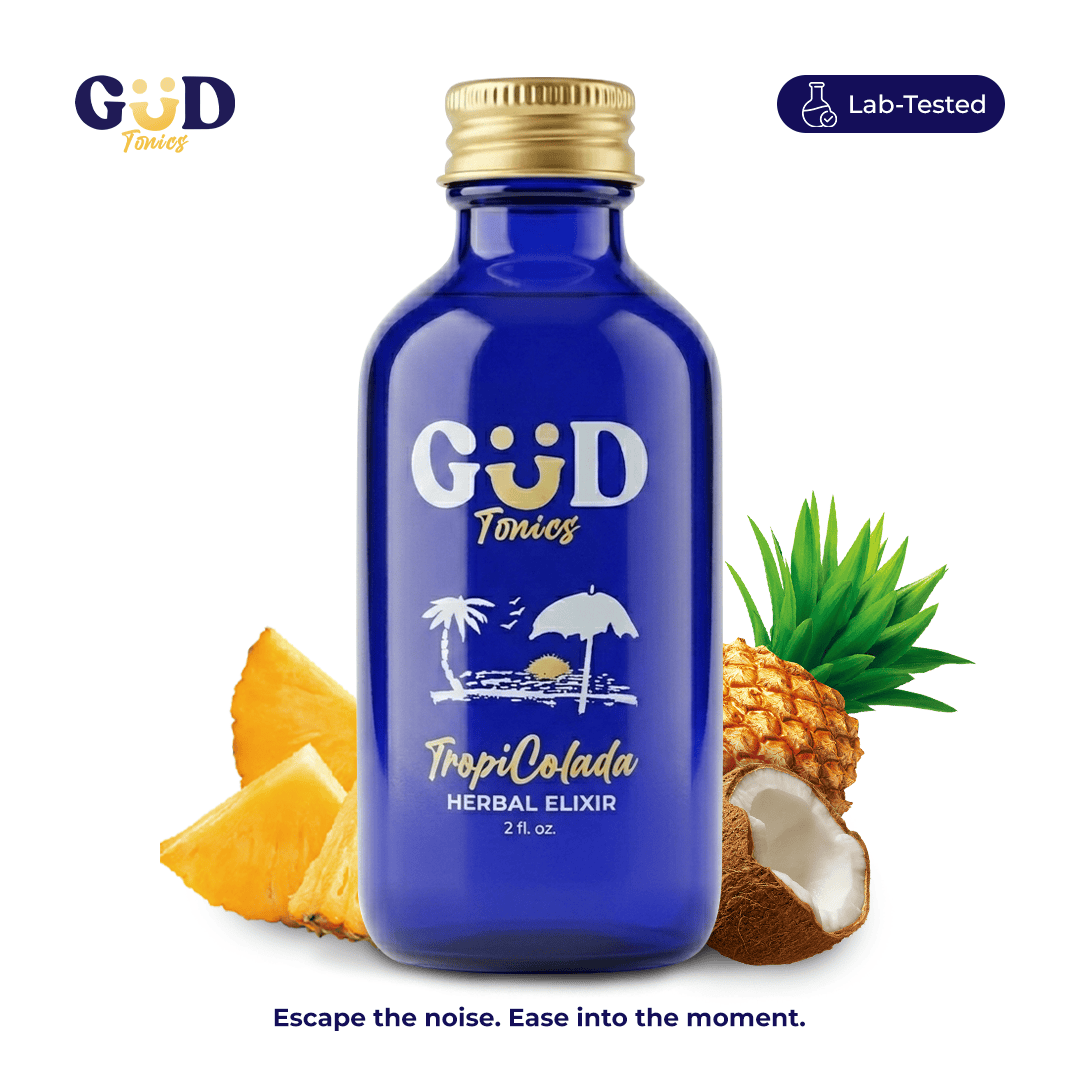
When you're building rituals that can survive a demanding season, the drink you reach for to mark a pause should feel like a real treat. That's what we set out to make with GÜD Tonics. Our alcohol-free herbal elixirs blend premium kava extract with mitragynine and botanicals, crafted for calm, clarity, and good company, no alcohol and no crash. Served chilled over ice, a GÜD pour can become the small ritual that signals a real break in your day, with effects many people start to notice in roughly 15 to 30 minutes. Not sure where to start? The 3-Bottle Flavor Sampler lets you explore a few profiles, while the crisp lime of Baja Bliss and the newest Pink Sunset both make for an easygoing afternoon pause.
A drink meant to support your calm should be one you feel good about choosing. So we keep our ingredients clear, talk openly about who these drinks are for, and never pretend kava can manage or cure anything. Enjoyed in moderation, never mixed with alcohol, and kept to adults 21 and over, a GÜD elixir can be the flavorful, alcohol-free part of a steadier day. Want to make one a small fixture of your routine? Browse the full GÜD Tonics collection and pick a flavor that suits your season.
Final Thoughts
Balance isn't a destination you arrive at once and keep forever. You tend to it, especially when life is asking a lot of you. The most reliable way to stay steady through a demanding season isn't a single grand gesture. It's a handful of small, repeatable rituals woven into ordinary days. Rest you protect, movement that meets your energy, connection with people who steady you, mindful pauses that pull you out of the rush. Together they add up to a foundation that holds.
Start with one. Pick the building block that feels most doable right now, turn it into a real habit, and let it make room for the next. Be gentle with yourself when a day gets away from you. Consistency over time matters far more than any single perfect day. And remember that these rituals support your wellbeing rather than replace professional care, so bring any health concern, including questions about menopause or any condition, to your doctor. Tend to the small things faithfully, and you give yourself a quiet, dependable kind of strength to carry you through whatever the season brings.
Frequently Asked Questions
What are self-care rituals, and how are they different from regular self-care?
Self-care rituals are small, intentional practices you repeat regularly, not occasional treats you reach for once you're already worn out. The ritual part matters because calming habits woven into the rhythm of your days catch you before you crash instead of rescuing you afterward. They're simple by design. You want something sustainable enough to keep through even a busy, demanding stretch.
How do I keep up self-care when I am already overwhelmed and short on time?
Start absurdly small and pick one building block. A two-minute breathing break, a short daily walk, or a single calming drink to mark a pause beats an ambitious plan you abandon by week two. Attach a new ritual to something you already do, like your morning coffee or your commute, and it's more likely to stick. Consistency you can maintain beats intensity you cannot, especially when you're stretched thin.
Which self-care ritual should I focus on first?
If you have to choose, protect sleep and rest. They form the foundation that makes every other habit easier. A tired body finds calm, patience, and steady mood much harder to reach, so rest pays off across the board. Once a sleep routine feels reliable, add a second building block like daily movement or a regular point of connection, and let your rituals grow one steady habit at a time.
Can a kava drink be part of a self-care routine?
For adults 21 and over, a kava-based drink can be one optional, flavorful part of a calming pause, and many people simply enjoy the mellow feeling of a chilled glass. It is not a treatment for any condition. Kava has been linked in rare cases to liver effects that prompted an FDA advisory, so it is not for anyone pregnant, breastfeeding, taking medication, or with a liver condition. Never mix it with alcohol, and talk to your doctor about menopause or any health concern.
Are these self-care rituals a substitute for medical care during a hard health season?
No. Self-care rituals are supportive habits for everyday calm and balance, not treatments, and they are not a replacement for professional care. Dealing with a specific health concern, ongoing symptoms, or a major life transition such as menopause? Talk with your doctor so you can make decisions with full information. Think of these rituals as a helpful layer alongside proper medical guidance, never instead of it.