
Table of Contents
- TL;DR: The Quick Version
- What Kava Bonding Really Means
- Island Roots: Where the Tradition Began
- The Rituals That Built a Culture
- Why Sharing a Cup Creates Connection
- The Modern Social Revival
- Building Your Own Kava Circle at Home
- Honest Safety Notes for the Kava Community
- GÜD as a Social Tonic
- Final Thoughts
- Frequently Asked Questions
People who discover kava rarely keep it to themselves. There's a reason for that. The kava community has always been built around one simple act: sharing a cup, slowing down, and giving each other your full attention. Long before kava arrived in bottles on a refrigerator shelf, it was the drink that gathered families, sealed agreements, welcomed visitors, and turned an ordinary evening into a real moment of connection. That spirit of togetherness is what makes this tradition feel different from almost anything else you can pour into a glass.
This guide looks at how a humble South Pacific root grew into a worldwide social ritual, why so many people describe kava as a bonding experience rather than just a beverage, and how the modern revival is bringing that same warmth to porches, game nights, and backyards far from the islands. One note before we go further: the kava drinks discussed here are made for adults 21 and over, they're not for anyone who is pregnant or breastfeeding, and you should talk with your healthcare provider first, especially if you have a liver condition or take medication.
TL;DR: The Quick Version
- The kava community is rooted in a centuries-old South Pacific practice of sharing kava from a communal bowl as a way to gather, talk, and bond.
- Across Fiji, Vanuatu, Tonga, and Samoa, kava has long marked welcomes, agreements, celebrations, and quiet evenings, which is what gives kava culture its reputation as a bonding tradition.
- People describe kava gatherings as calm and conversational rather than rowdy, which is part of why the social ritual feels so welcoming.
- A modern revival has brought kava into bottles, lounges, and living rooms, giving the sober-curious a real alcohol-free way to gather.
- Honest safety still matters: kava is for adults 21 and over, never mix it with alcohol, and the FDA has issued a consumer advisory tied to rare liver effects.
- GÜD Tonics is built for that social spirit, blending premium kava extract with botanicals so you can share a chilled pour and stay present with the people around you.
What Kava Bonding Really Means
Ask someone who has spent time in the kava community what keeps them coming back, and they rarely lead with the flavor. They talk about the people. The conversations that go a little deeper than usual, the way phones tend to disappear, the unhurried pace of an evening where nobody is rushing to the next thing. That's the heart of kava bonding. Less about what's in the cup, more about what happens around it.
Kava has traditionally been used across the South Pacific to help people relax and feel sociable, and that gentle, settling quality is what makes it suited to gathering. Where some drinks ramp energy up and loosen behavior, kava does the opposite. Voices soften, posture eases, and the room takes on a quieter, friendlier hum. Research into kava is still limited, so it's fair to say many people reach for it to unwind in good company rather than to claim it produces any specific effect on its own.
The communal element isn't an accident. For generations, the drink was prepared in a shared bowl and passed from person to person, which built a sense of equality and patience into the ritual. You wait your turn, you receive your cup, you offer thanks, and you settle in. Simple as it is, that structure turns drinking kava into something you do together rather than something you do alone. The kava social tradition is, at its core, a practice of presence.
Island Roots: Where the Tradition Began
To understand the kava community today, it helps to know where the practice comes from, even briefly. Kava is made from the root of a plant called Piper methysticum, which grows across the islands of the South Pacific. For centuries, communities in Fiji, Vanuatu, Tonga, Samoa, and beyond have prepared kava root into a drink central to daily life and important occasions alike. The National Center for Complementary and Integrative Health offers a grounded overview of the kava plant and its traditional uses for anyone who wants the botanical background without the hype.
In these island cultures, kava was never just refreshment. It carried social weight. A bowl of kava could welcome a guest, open a meeting between leaders, mark a wedding or a funeral, or simply give neighbors a reason to sit together at the end of the day. The drink became a thread woven through the rhythm of community life, present at the moments that mattered most and the everyday ones in between.
Notice how consistent that role has stayed. Different islands developed their own customs, vessels, and protocols, yet the underlying purpose held across all of them: bring people together, slow the pace, and create space for genuine exchange. That shared purpose is why kava culture translates so naturally to new places. The settings change, but the reason people gather around it doesn't. The deeper timeline of how these traditions evolved is a story of its own, so here we stay on the social bond rather than the historical detail.
The Rituals That Built a Culture
Part of what makes the kava community so distinctive is that it comes with rituals, and rituals are what turn a habit into a tradition. These customs vary from island to island, but a few common threads appear again and again, and they reveal a lot about why kava bonding feels so meaningful.
The Shared Bowl
The communal bowl sits at the center of the experience. Rather than everyone holding a separate glass, kava is traditionally prepared in one large vessel and served from it. That single detail reframes the whole gathering. You're not drinking your own thing in parallel with others. You're sharing one source, which quietly reinforces a feeling of belonging.
Order and Respect
Many kava traditions include an order of serving and small gestures of respect, such as a clap of the hands, a word of thanks, or a nod before and after drinking. These touches slow the ritual down and give it a sense of intention. Nobody grabs and gulps. The pace itself signals that this is a moment to be present for, not something to rush through.
Conversation as the Main Event
In a kava gathering, the talking is the point. The drink is the reason to sit down, but the conversation is the experience. People share stories, work through ideas, resolve tensions, and enjoy each other's company. The calm that kava is traditionally associated with tends to make those conversations feel easier and less guarded, which is a big reason the social tradition endures.
Time Without a Clock
A good kava session is unhurried. No expectation to drink fast or leave early. The ritual gives everyone permission to let the evening unfold at its own speed. In a culture that often prizes efficiency over connection, that unhurried quality is a gift, and it's one of the first things newcomers notice when they join their first circle.
Why Sharing a Cup Creates Connection
There's something about a shared cup that loosens people up in the best way. The kava social tradition leans into a truth humans have understood for a very long time: gathering around a drink lowers the barriers between us. What sets kava apart is the kind of connection it tends to encourage.
Because kava is calming rather than stimulating, the bonding it supports is warm and conversational instead of loud and chaotic. People often describe kava gatherings as the kind of evening where you remember the conversations, where someone says something true, and where the group feels closer by the end than it did at the start. That's a different flavor of socializing than many drinking occasions deliver, and it's precisely what draws people into the community and keeps them there.
Then there's the ritual of giving and receiving. When you serve someone a cup or accept one from them, you're taking part in a small act of care. Multiply that across an evening and across a group, and you build a web of little gestures that add up to a real sense of fellowship. The functional-beverage movement has helped more people appreciate drinks chosen with intention, and you can read a broad, evidence-minded perspective on botanicals and dietary supplements through the NIH Office of Dietary Supplements. Kava fits that mindful spirit, but its real signature is the togetherness it creates.
Let's be honest here too. Kava is not a personality transplant, and it's not a guaranteed good time. The connection comes from the people and the intention you bring to the table. The drink just sets a calmer stage. When a group shows up wanting to be present with one another, kava helps that happen. That partnership between the people and the ritual is the quiet engine of the whole tradition.
The Modern Social Revival
For a long time, experiencing the kava community meant either living in the South Pacific or hunting down a specialty kava bar in a handful of cities. That has changed dramatically. A modern revival has carried kava far beyond its island origins and into the everyday social lives of people all over the world, and the timing is no coincidence.
More adults than ever are rethinking their relationship with alcohol. The sober-curious movement, the rise of the dry-month challenge, and a broader interest in feeling good without a hangover have created real demand for drinks that offer the social ritual without the downsides of drinking. Kava answers that demand directly. It gives you a real drink to hold and share, a reason to gather, and a calm, alcohol-free experience that fits a night out or a night in.
Two shifts have powered this revival. The first is the kava bar, a relaxed social space where people come specifically to drink kava and talk, often with the same communal warmth that defines the tradition back home. The second, and the one that truly opened the door for everyone, is ready-to-drink kava. Modern kava beverages take the root, refine it into an extract, and pair it with flavors so you can pour a kava drink as easily as any other bottle in the fridge. Some of these drinks, including the GÜD lineup, also blend in mitragynine (MIT) from the kratom leaf, which is why they're strictly for adults 21 and over.
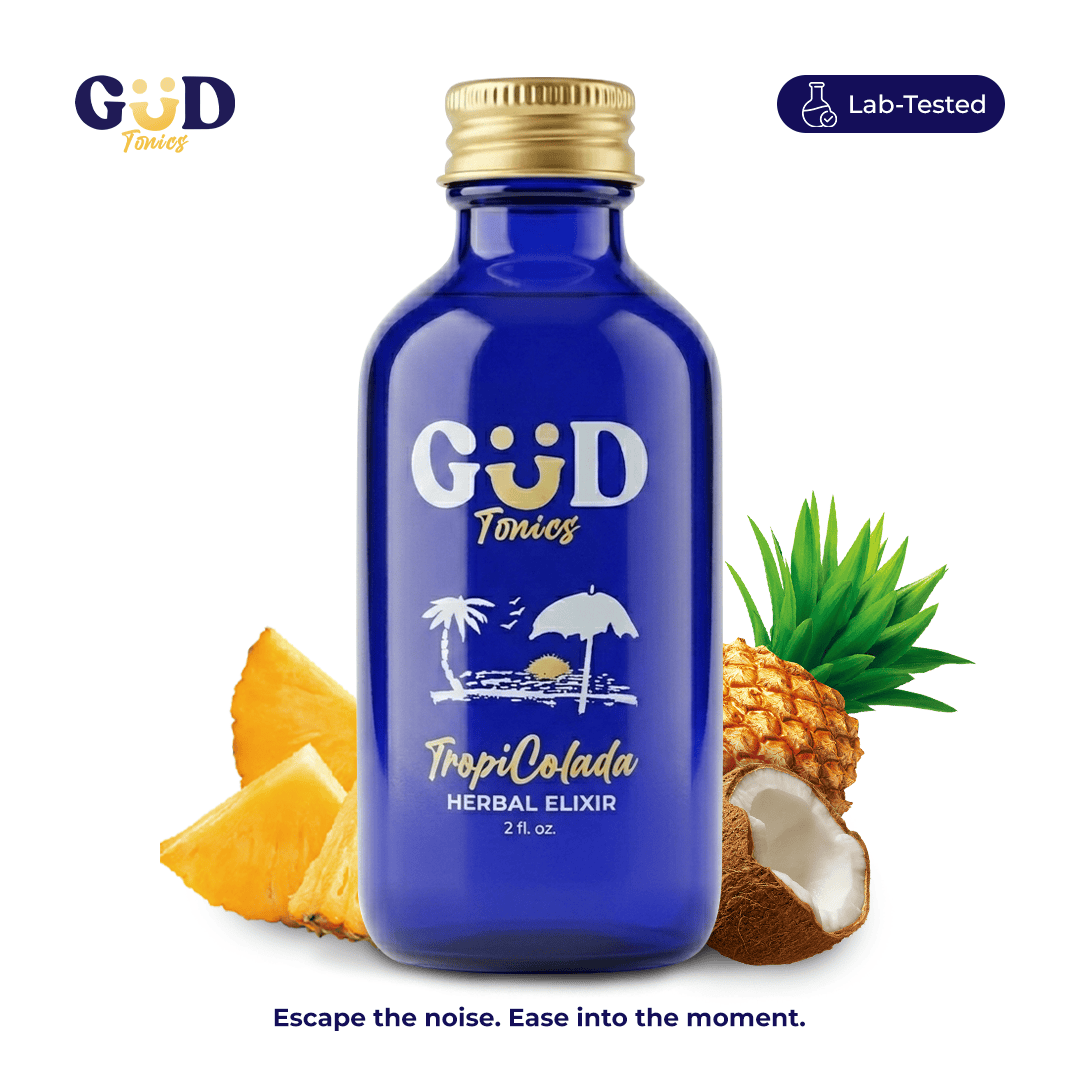
What makes this revival so fitting is that it hasn't stripped away the social heart of kava. If anything, it has spread it. People are hosting kava nights at home, bringing a few bottles to a gathering instead of wine, and introducing friends to the ritual one cup at a time. The community is growing not because of clever marketing but because the bonding tradition still works, and now far more people can take part. Want to bring that experience to your own circle? Something like TropiColada makes an easy, crowd-friendly starting point.
Building Your Own Kava Circle at Home
You don't need a kava bar or a trip across the ocean to take part in this tradition. With a little intention, you can recreate the spirit of the kava community right in your own living room or backyard. You're not trying to imitate every island custom perfectly. You're capturing the part that matters most: unhurried, present-minded time with people you care about.
Here are a few ways to set the stage for a gathering rooted in kava bonding:
- Keep the group small enough to talk. The magic of a kava circle is conversation, so favor a size where everyone can hear and be heard rather than a sprawling party.
- Slow the pace on purpose. Put phones away, dim the lights a little, and let the evening breathe. The calm is the point, and rushing undercuts it.
- Make serving a shared gesture. Pour for each other rather than letting everyone fend for themselves. That small act of care is the heartbeat of the whole tradition.
- Lead with flavor people will enjoy. Traditional kava is famously earthy, so a flavored, ready-to-drink option lowers the barrier for first-timers. A variety like the 3-Bottle Flavor Sampler lets guests find a profile they like.
- Set expectations honestly. Let everyone know these drinks are for adults 21 and over, that nobody should mix them with alcohol, and that anyone driving later should skip them since kava is calming.
The best part of hosting your own kava night is that it scales down beautifully. Three friends on a Tuesday or a dozen people on a Saturday, it works either way. What carries over from the island tradition is the intention: gather, slow down, share a cup, and give each other your attention. Do that, and you've built a kava circle of your own.
Honest Safety Notes for the Kava Community
A real community looks out for its members, and that means being straight about safety. Kava is enjoyed by many adults for relaxation and social connection, but it isn't for everyone and it isn't risk-free, so a few points deserve a clear place in this guide rather than a footnote.
Kava drinks here are for adults 21 and over, and they're not for anyone who is pregnant or breastfeeding. Kava has been associated in rare cases with liver effects, which is why the U.S. Food and Drug Administration issued a consumer advisory. You can review the agency's dietary supplement information for context on how these products are regulated and why honest labeling matters. Anyone with a liver condition should be especially cautious and should speak with a doctor before trying kava.
Two rules keep any kava gathering on the right side of responsible. First, never combine kava with alcohol. The whole appeal of a kava night is that it's the alcohol-free option, and mixing the two works against that and against your safety. Second, don't pair kava with driving, operating machinery, or swimming, because both kava and MIT are calming. If you take any medication, check with your healthcare provider before adding a kava drink to your routine. None of this is meant to dampen the mood. It's the kind of honesty that lets the community grow on a foundation of trust.
GÜD as a Social Tonic
Everything about GÜD Tonics is built for the social heart of this tradition. We blend premium kava extract with mitragynine and botanicals to create herbal elixirs made for calm, clarity, and real connection, without alcohol and without a crash. Our flavors are made to be poured over ice and shared slowly, with effects many people begin to notice in roughly 15 to 30 minutes, which gives a gathering time to ease into its rhythm. Our newest addition, Pink Sunset, was made for exactly these kinds of feel-good moments.
We also believe a social tonic should be one you feel good about offering to the people you care about. So we keep our ingredients clear and talk openly about who these drinks are for. Want to bring the bonding spirit of kava to your own circle? Explore the full GÜD Tonics lineup and pick a flavor or two to share at your next gathering.
Final Thoughts
The kava community endures for a reason that has nothing to do with trends and everything to do with people. It's a tradition built on a simple, timeless idea: gathering around a shared cup, slowing the pace, and giving each other real attention is one of the best things we can do together. From the island circles where it began to the living rooms and lounges where it thrives today, kava has stayed true to that purpose.
The modern revival has made the experience more accessible than ever, giving the sober-curious and the wellness-minded a warm, alcohol-free way to connect. Drawn to the idea of an evening defined by good conversation and unhurried company? Then you already understand what the kava social tradition is about. Approach it responsibly, share it generously, and let the cup do what it has always done: bring people a little closer.
Frequently Asked Questions
What is the kava community and why is it considered a bonding tradition?
The kava community refers to the people and the social customs built around sharing kava, a drink made from the root of the Piper methysticum plant. It's considered a bonding tradition because, across the South Pacific for centuries, kava has been prepared in a communal bowl and shared to welcome guests, mark occasions, and bring people together for unhurried conversation. The calm, sociable quality kava is traditionally associated with is what makes those gatherings feel so connective.
How is a kava gathering different from a typical night of drinking?
Kava gatherings tend to be calm and conversational rather than loud or rowdy. Because kava is traditionally used to help people relax and feel sociable, the evening usually moves at a slower, more present pace, and many people say they actually remember the conversations. It's also alcohol-free, so there's no intoxication in the alcohol sense and no hangover the next day, which is a big part of its appeal for the sober-curious.
Can I host a kava night at home?
Yes. You can recreate the spirit of the kava community at home by keeping the group small enough to talk, slowing the pace, serving each other rather than self-pouring, and choosing flavored ready-to-drink options so first-timers enjoy the taste. Be upfront that these drinks are for adults 21 and over, that nobody should mix them with alcohol, and that anyone driving later should skip them.
Is kava safe to share with friends?
Kava is enjoyed by many adults, but it isn't risk-free. It's for adults 21 and over and not for anyone pregnant or breastfeeding. Kava has been linked in rare cases to liver effects, which prompted an FDA consumer advisory, so anyone with a liver condition should talk to a doctor first. Never serve it alongside alcohol, and remind guests not to drive afterward, since kava is calming.
What makes GÜD Tonics suited to social occasions?
GÜD Tonics blends premium kava extract with mitragynine and botanicals into flavorful, alcohol-free herbal elixirs built for sharing. They're made to be poured over ice and enjoyed slowly, with effects many people notice in roughly 15 to 30 minutes, which gives a gathering time to settle into an easy, conversational rhythm. They're made for adults 21 and over and meant to be enjoyed responsibly, never mixed with alcohol.