Kava keeps popping up on drink menus, in wellness conversations, and on the shelves of modern functional-beverage brands, and if you have noticed it you probably have one big question. What is kava, really? It is a fair thing to ask, because kava has lived two lives: an ancient one rooted in the cultures of the South Pacific, and a modern one as a centerpiece of the sober-curious and calm-seeking movement. This complete guide answers that question clearly and honestly, from the plant itself all the way to how people enjoy it today.
Here's the quick answer. Kava is a drink made from the root of a Pacific plant, used for centuries for its calming, sociable feeling. The fuller answer, which is where this guide spends its time, covers where kava comes from, what's in it, how it's prepared, what people use it for, the modern forms you will actually encounter, and the safety facts every adult should know before trying it. By the end you'll have a grounded, reliable understanding rather than a pile of hype.
One note before we begin. Many modern kava products, including the elixirs made by GÜD Tonics, blend kava with mitragynine (MIT) from the kratom leaf, which makes them strictly for adults 21 and over. Kava is not for anyone pregnant or breastfeeding, it should never be mixed with alcohol, and anyone with a liver condition or on medication should talk with a healthcare provider first. We cover all of that in detail near the end.
Table of Contents
- TL;DR
- What is Kava? The Plain Definition
- The Kava Plant: Piper Methysticum
- What Is Inside the Kava Root
- Where Kava Comes From and Its Cultural Roots
- How Kava Is Traditionally Prepared and Used
- What Is Kava Used For Today
- The Modern Forms of Kava
- The Calm Kava Offers
- Is Kava Safe? The Honest Picture
- How GÜD Tonics Reimagines Kava for Modern Life
- Final Thoughts
- Frequently Asked Questions
TL;DR
- Kava is a traditional drink made from the root of Piper methysticum, a plant in the pepper family native to the South Pacific, valued for centuries for its calming, sociable feeling.
- The kava meaning is tied to its role as a communal drink shared in ceremonies and gatherings across Fiji, Vanuatu, Tonga, Samoa, and beyond.
- The relaxing character comes from natural compounds in the kava root; the experience is usually described as a settled body and a clear, sociable mind.
- Modern kava comes in many forms, from traditional ground root and powders to concentrated extracts and ready-to-drink elixirs.
- Safety is essential. The FDA has issued a consumer advisory linking kava to rare liver effects, kava should never be mixed with alcohol, and kava plus MIT products are for adults 21 and over. Kava is not a treatment for any condition.
What is Kava? The Plain Definition
At its simplest, kava is a beverage prepared from the root of a tropical plant, made by extracting the root's natural compounds into water and drinking the result. The word kava is used loosely for the plant, the root, and the drink itself, which is part of why the question keeps coming up. When someone asks what is kava, the most accurate one-line answer is that it's a calming, traditional root drink from the Pacific Islands.
The meaning runs deeper than a simple recipe, though. For the cultures that originated it, kava is a social and ceremonial institution as much as a drink, a way of welcoming guests, marking occasions, and settling into shared conversation. That communal identity is woven into kava far more tightly than into an ordinary beverage, and it's a big part of why the plant has captured modern attention.
In everyday modern terms, people are usually pointing at one of two things when they use the word. They might mean the raw material, the kava root and the powders or extracts made from it, or they might mean the finished drink, whether that's a traditional bowl or a modern bottled elixir. This guide covers both, starting with the plant and working toward the glass in your hand.
The Kava Plant: Piper Methysticum
The kava plant is formally known as Piper methysticum, a member of the pepper family. The name itself is telling. The genus Piper is the same one that gives us black pepper, and methysticum loosely points to its intoxicating or calming character. It's a leafy, shrub-like tropical plant that thrives in the warm, humid conditions of the South Pacific Islands.
What matters most about the kava plant is where its prized qualities live, which is underground. The calming compounds are concentrated in the roots and the rootstock rather than the leaves or stems, which is why traditional and modern kava both center on the kava root specifically. Mature plants, often harvested after several years of growth, are valued because the roots have had time to develop a fuller, more balanced character.
Not all kava is considered equal, and the plant has many cultivated varieties. Growers and drinkers distinguish between so-called noble kava, the varieties traditionally favored for daily, sociable use, and other types sometimes grouped as tudei or non-noble kava. Noble varieties are generally preferred for their cleaner, more pleasant experience. The differences between noble and other kava types are a topic in their own right, but for understanding what kava is, the key point is simply that the plant comes in many forms, and the variety and quality of the root shape the drink.
What Is Inside the Kava Root
Why kava feels the way it does comes down to the natural compounds packed into the root. These active compounds give kava its signature calming, relaxing character, and they draw most of the scientific curiosity around the plant. They sit in the root, which is exactly why preparation has always centered on grinding and straining the root rather than using the rest of the plant.
These compounds are believed to produce their effect by interacting with the body's calming systems, in particular the pathways that help the nervous system settle. The research here is interesting but still limited, and much of what's understood remains early-stage, so the science is best treated as a plausible explanation rather than a settled, complete account. For a deeper look at the specific chemistry, our dedicated breakdown of kava's active ingredients goes further than this overview can. Here it's enough to know that the root's natural compounds are the source of the calm.
The kava root also carries the earthy, distinctive taste and the characteristic mouthfeel that traditional kava is known for, including the mild tingle some people notice on the lips and tongue. That sensory signature is part of the traditional experience, though modern formats have done a lot to make the flavor more approachable for new drinkers.
Where Kava Comes From and Its Cultural Roots
Kava is native to the islands of the South Pacific, and it has been cultivated there for a very long time, by most accounts for many centuries and likely longer. Across Fiji, Vanuatu, Tonga, Samoa, Hawaii, and neighboring island cultures, kava became one of the most socially important plants in the region, central to community life in a way few crops anywhere can match.
In these cultures, kava was and remains far more than a casual drink. People shared it at formal ceremonies, used it to welcome visitors and honor guests, brought it out during community meetings and decision-making, and enjoyed it at relaxed social gatherings. The shared bowl, passed around a circle, became a symbol of hospitality, peace, and connection. This communal heritage is the true origin of nearly every modern idea about what kava is and what it offers.
Kava's full history, including how it spread across the Pacific and the rituals that grew up around it, is a rich subject that deserves its own telling, and we explore it more fully elsewhere. For this guide, the essential point is that kava did not arrive in the modern wellness world from nowhere. It carries thousands of years of cultural meaning, and that heritage is a meaningful part of the answer to what kava is. According to the National Center for Complementary and Integrative Health, kava has long been used as a ceremonial and social beverage in the Pacific Islands, a tradition that frames how the plant is understood today.
How Kava Is Traditionally Prepared and Used
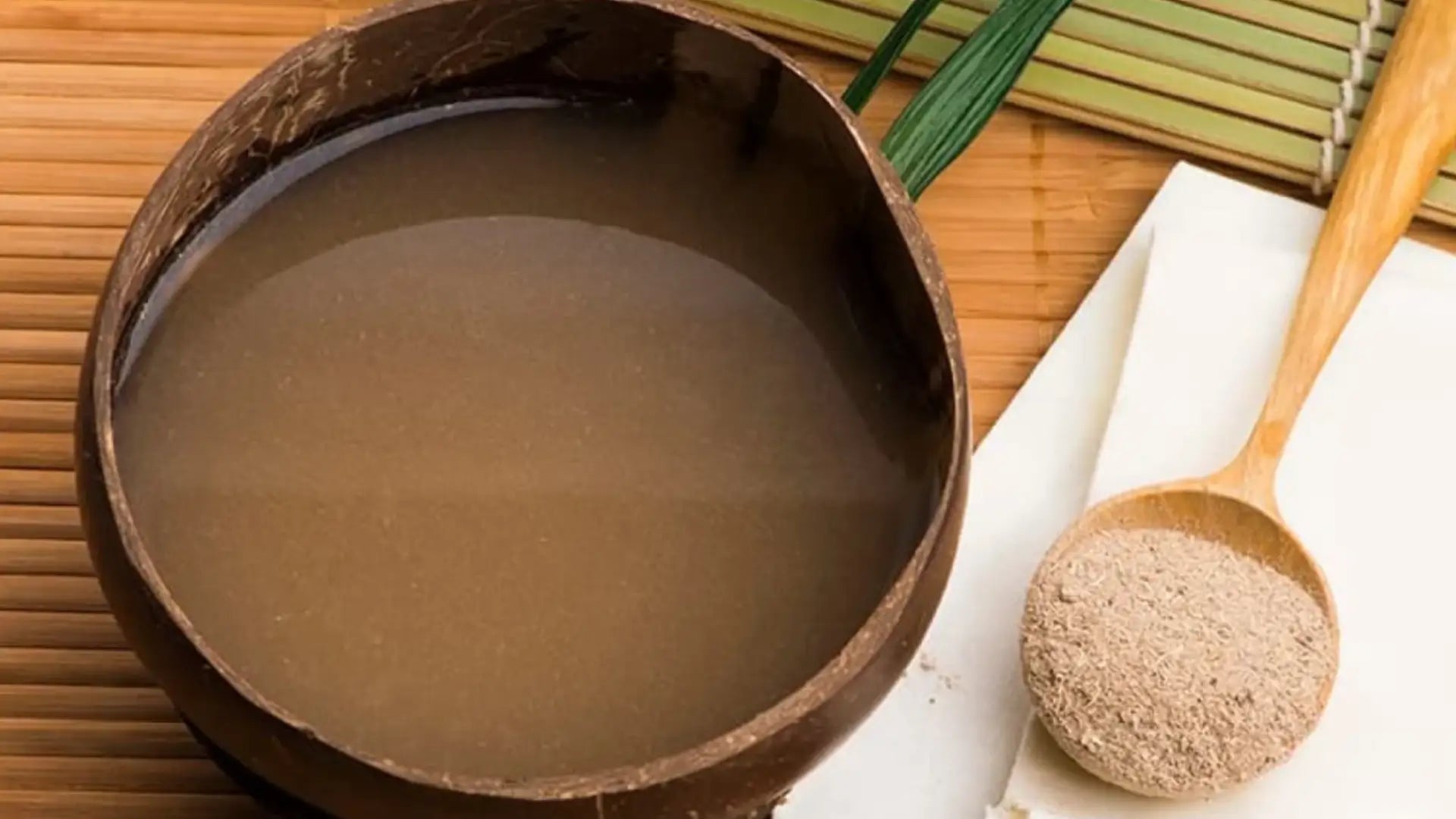
Traditional kava preparation is a hands-on process built around getting the root's compounds into water. In the classic method, the kava root is cleaned and then ground, pounded, or in some traditions chewed into a fibrous pulp. That pulp is mixed with water, and the mixture is kneaded and strained, usually through a cloth, to produce a cloudy, earthy liquid that is then served, often from a communal bowl.
The result is a drink with a distinctive taste that takes some getting used to, which is part of the ritual. It's typically consumed in rounds, with a bowl shared among a group, and the social pacing is intentional. You sip it slowly, in good company, as the relaxed feeling gradually settles over the gathering. The setting, the sharing, and the unhurried rhythm are as much a part of traditional kava use as the liquid itself.
This traditional approach is wonderful but demanding. It takes time, the right materials, and some practice to get a good, balanced result, and the earthy flavor is not for everyone on the first try. That gap between the appeal of kava and the effort of preparing it the old way is precisely what modern formats set out to solve, which brings us to the forms of kava you're most likely to encounter today.
What Is Kava Used For Today
So what is kava used for in modern life? Overwhelmingly, people reach for it the same way the tradition always has, to relax and to be social. The most common modern use is unwinding, easing the tension of a busy day, and settling into a calmer, more present state of mind, especially in the evening or in social settings. Its reputation as a relaxing, sociable drink is the heart of its modern appeal.
A second major use is as an alcohol-free social option. For the growing number of people cutting back on or stepping away from alcohol, kava offers a relaxed, sociable feeling for a night out or a get-together without the next-morning cost. This sober-curious angle has driven much of kava's recent popularity, since it fits the slot alcohol used to fill at social gatherings while feeling very different. A bright, fruit-forward modern kava drink like the Pink Sunset elixir is built for exactly that alcohol-free social moment. Kava is widely valued for the long list of relaxation-related reasons people enjoy it, which we cover in depth in our guide to kava's many appeals.
A clear distinction matters here. People across cultures and centuries have reached for kava for relaxation and connection, but kava is not a medicine, and it does not treat, cure, or prevent any health condition. Describe what kava is used for the way people actually use it: to feel calmer, to unwind, and to connect, not as a remedy for anything. Keeping that line clear is part of understanding kava honestly.
The Modern Forms of Kava
Because the traditional preparation asks a lot, modern kava comes in several formats designed for convenience and consistency, and the form you choose shapes the experience. Knowing the options is a practical part of understanding what kava is today.
The most traditional modern format is ground kava root and kava powder, which you prepare yourself by mixing with water and straining, much like the classic method but more accessible. It appeals to people who enjoy the ritual and want control over their preparation. A more concentrated option is kava extract, where the root's compounds are pulled into a stronger, more potent form. For those who prefer this route, a quality raw kava extract powder offers a flexible way to make your own drink with a consistent base.
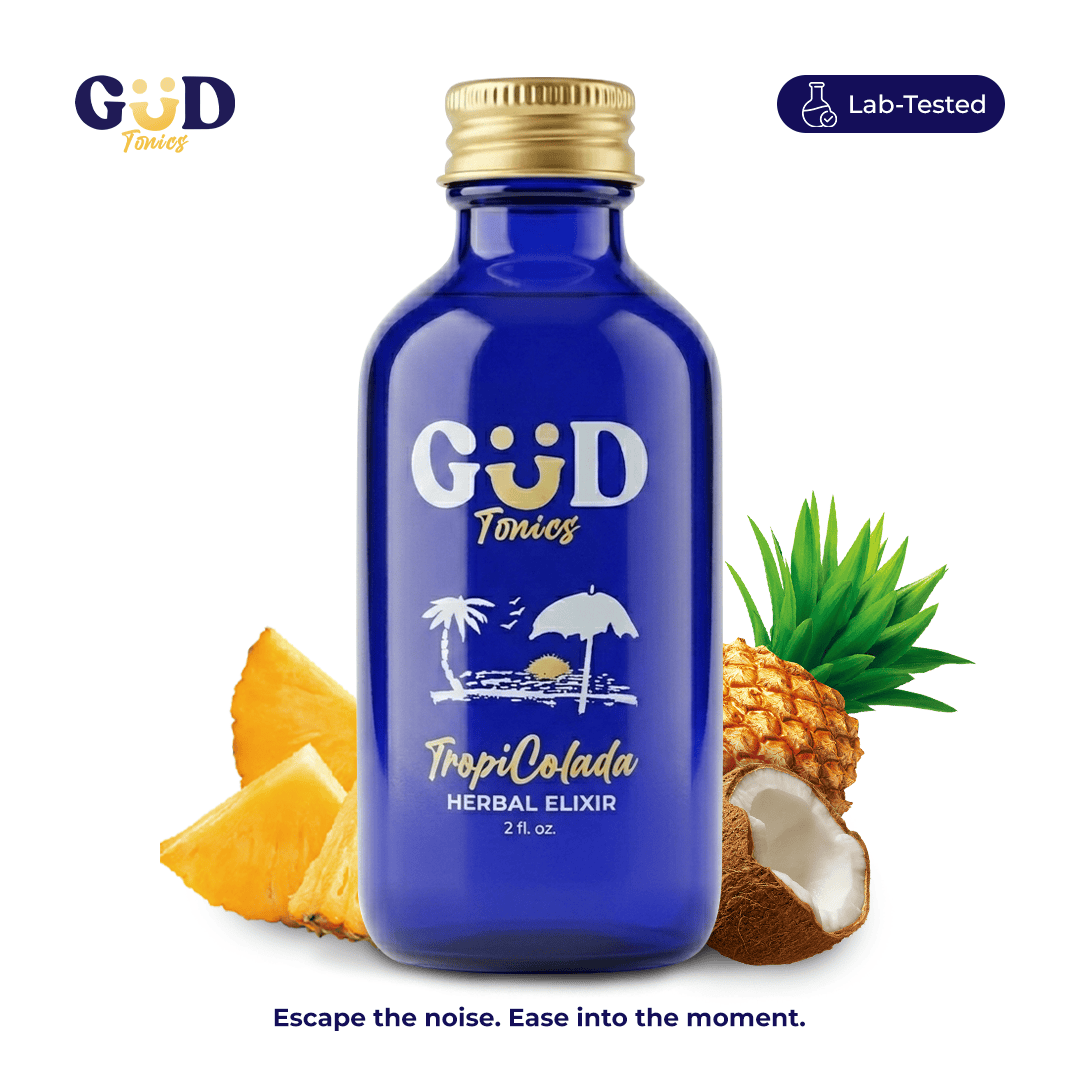
For most newcomers, though, the breakthrough format has been ready-to-drink kava. These are pre-made, bottled kava beverages, often blended with complementary botanicals and flavors, that require zero preparation and deliver a consistent experience every time. They have done the most to bring kava to a mainstream audience by removing its two biggest barriers, the effort and the acquired taste. Modern elixirs such as TropiColada show how far the format has come from the traditional bowl, while keeping the calm at the center.
The Calm Kava Offers
The feeling at the heart of kava is the reason all of this tradition and innovation exists. People most often describe kava as bringing a settled, mellow, sociable calm, a loosening of the day's tension paired with a mind that stays reasonably clear rather than fogged. That combination, a relaxed body and an awake mind, made kava the centerpiece of gatherings where people needed to stay present and connected.
Onset is usually gradual. With modern ready-to-drink kava, many people notice the relaxed feeling settling in within roughly fifteen to thirty minutes, which is why patience and a sensible serving matter more than rushing. Most modern blends are best enjoyed chilled or over ice, and the experience tends to deepen in a calm setting, which is part of why kava pairs so naturally with winding down or easy socializing.
Honesty matters here as much as anywhere. The calm kava offers is a pleasant, traditional, widely enjoyed feeling, not a clinical effect and not a guaranteed outcome, and it varies from person to person. Kava is not a treatment for stress, anxiety, or any condition. Understood as one enjoyable way to feel more at ease, rather than as a remedy, that calm is exactly what draws people back to kava across both its ancient and modern lives.
Is Kava Safe? The Honest Picture
No complete guide to what kava is would be trustworthy without a clear look at safety, and there are real points every adult should understand.
The most important is the liver question. The FDA has issued a consumer advisory noting that kava has been associated, in rare cases, with liver effects. The risk appears uncommon and the science is still debated, but it's significant enough that it belongs front and center rather than hidden. Anyone with a liver condition, anyone who drinks alcohol regularly, and anyone taking medication that affects the liver should consult a healthcare provider before trying kava. Avoiding alcohol entirely while using kava is one of the most sensible precautions there is. The NCCIH kava fact sheet offers an accessible, non-commercial overview of these considerations.
There are also clear limits on who should use kava. Products that blend kava with mitragynine, including GÜD Tonics, are for adults 21 and over only, and kava is not appropriate for anyone who is pregnant or breastfeeding. Because kava is calming, it should never be combined with alcohol or other sedatives, and you should not drive, operate machinery, swim, or do anything that needs sharp coordination after using it.
The framing throughout this guide holds here too. Kava is not a medicine and does not treat, cure, prevent, or manage any condition, and the limited research does not support such claims. Understood as a traditional, enjoyable way to relax, used responsibly and within these precautions, kava can be a pleasant part of adult life. That balanced picture is the clearest answer to the safety side of what kava is.
How GÜD Tonics Reimagines Kava for Modern Life
Kava's story comes down to a gap, between the real appeal of the calm and the effort, inconsistency, and acquired taste of preparing it the traditional way. GÜD Tonics exists to close that gap and make the experience of kava easy, enjoyable, and reliable for modern life.
Each GÜD tonic blends premium kava extract with mitragynine and supporting botanicals into a chilled, ready-to-drink elixir designed for calm and clarity in every sip, with the relaxed feeling typically settling in within about fifteen to thirty minutes. The flavors are crafted to be refreshing rather than something to endure, and the bottled format means a consistent, balanced experience every time, best served cold or over ice. It carries forward the same root-borne calm that has gathered people for centuries, made to fit an ordinary modern evening. If you would like to taste what kava can be today, browse the GÜD Tonics collection and find the flavor that suits your moment.
Final Thoughts
So, what is kava? It's the root of a Pacific plant, Piper methysticum, prepared into a calming, sociable drink that has been at the heart of South Pacific cultures for centuries and is now finding a fresh purpose in modern, alcohol-free, calm-seeking life. Its appeal comes down to one durable thing: a settled body and a clear mind, a way to unwind and connect that people have valued across thousands of years.
Hold all of this with honesty. Kava is a traditional, enjoyable drink, not a medicine, and it comes with real safety considerations worth respecting: 21 and over, never with alcohol, the FDA liver advisory taken seriously, and a healthcare provider consulted if you have any reason for caution. Understood that way, kava is neither a miracle nor a mystery. It's one of the oldest and most pleasant ways humans have found to feel a little more at ease, now available in a form that fits the modern day.
Frequently Asked Questions
What is kava in simple terms?
Kava is a calming traditional drink made from the root of Piper methysticum, a pepper-family plant native to the South Pacific. The word is used for the plant, the root, and the finished beverage. People have enjoyed it for centuries for its settled, sociable, relaxed feeling.
What is the kava plant and where does it grow?
The kava plant, Piper methysticum, is a leafy tropical shrub in the pepper family that grows in the warm, humid South Pacific Islands, including Fiji, Vanuatu, Tonga, and Samoa. Its prized calming compounds are concentrated in the kava root, which is why preparation focuses on the root rather than the leaves or stems.
What is kava used for?
In modern life, kava is mainly used to relax and to socialize, and it has become popular as an alcohol-free option for people cutting back on drinking. Keep one thing clear: kava is not a medicine and does not treat, cure, or prevent any condition. It's enjoyed as a calming, sociable drink.
What does kava taste and feel like?
Traditional kava has an earthy, distinctive taste and may produce a mild tingle on the lips and tongue, though modern flavored elixirs are far more approachable. The feeling is usually described as a mellow, settled calm with a reasonably clear mind, often arriving within fifteen to thirty minutes with ready-to-drink forms.
Is kava safe to drink?
For many adults, kava can be enjoyed responsibly, but there are real precautions. The FDA has issued an advisory linking kava to rare liver effects, it should never be mixed with alcohol, and kava plus MIT products are for adults 21 and over and not for anyone pregnant or breastfeeding. Talk with a healthcare provider first if you have a liver condition or take medication.