
There's a quiet satisfaction in making kava well. Done right, the process turns a humble root from the South Pacific into a smooth, earthy, relaxing drink that has gathered people together for centuries. Done carelessly, you end up with something weak, gritty, or unpleasant enough to put you off the whole experience. Good news: getting consistent results is far simpler than it looks once you understand the seven steps that matter.
This guide walks through proper kava preparation from start to finish, covering both the traditional root method and the modern shortcut that has made this drink accessible to almost anyone. Whether you're kneading raw root or pouring a ready-to-drink bottle over ice, the same principles apply and the goal is the same: a balanced, enjoyable cup you can rely on. Before we begin, one note that repeats where it counts. Kava is for adults, it is not for anyone pregnant or breastfeeding, and you should talk with your healthcare provider first, especially if you have a liver condition or take medication.
Table of Contents
- TL;DR: The Quick Version
- Why Good Technique Matters
- Step 1: Choose the Right Kava and Form
- Step 2: Measure Your Serving and Water
- Step 3: Get the Water Temperature Right
- Step 4: Mix, Knead, and Steep
- Step 5: Strain for a Smooth Cup
- Step 6: Chill, Flavor, and Serve
- Step 7: Sip Slowly and Store the Rest
- The Modern Shortcut: Ready-to-Drink Kava
- Honest Safety Notes Before You Brew
- The GÜD Tonics Way to Skip the Bowl
- Final Thoughts
- Frequently Asked Questions
TL;DR: The Quick Version
- Good kava preparation comes down to seven steps: choose your kava, measure it, use the right water temperature, mix and knead, strain well, chill and flavor, then sip slowly and store the rest.
- The traditional method involves kneading ground root in warm water to release the kavalactones, then straining out the fibrous material for a smoother cup.
- Water that is warm rather than boiling protects the delicate compounds, while thorough kneading and a fine strainer make the biggest difference in taste and strength.
- The modern shortcut is ready-to-drink kava or instant extract powder, which delivers a consistent serving with none of the kneading or straining.
- Kava tends to take roughly 15 to 30 minutes to settle in, so patience beats stacking servings, and it is best enjoyed chilled.
- Honest safety matters: kava is for adults 21 and over, it carries an FDA liver advisory, you should never mix it with alcohol, and you should talk with your healthcare provider if you take medication or have a liver condition.
Why Good Technique Matters
Kava is made from the root of the Piper methysticum plant, cultivated across the South Pacific for centuries. The compounds responsible for its mellow, relaxing character are called kavalactones, and they don't simply dissolve into water on their own. They need to be coaxed out of the fibrous root material through the right combination of temperature, agitation, and time. That's the whole reason technique matters. Skip the work, and you leave most of the good stuff trapped in the pulp.
It's also why two people can use the exact same root and end up with completely different drinks. One cup might be smooth, balanced, and pleasantly earthy. Another comes out watery and weak, or harsh and gritty. The difference is almost never the kava itself. It's the method. Master a repeatable process and you've turned a frustrating experiment into a reliable ritual.
There's a payoff to understanding the steps even if you plan to drink ready-to-drink kava most of the time. Knowing how the traditional drink is made gives you a clearer sense of what's in your glass, why noble kava is generally preferred, and what quality looks like. The National Center for Complementary and Integrative Health keeps a grounded overview of kava and its traditional uses that pairs nicely with the practical steps below. With that context in place, here are the seven steps.
Step 1: Choose the Right Kava and Form
Everything starts with what you put in the bowl, so the first of the kava preparation steps is selecting your material. Traditional kava comes in a few forms, and the one you pick shapes the entire process. Ground root powder, often labeled medium grind, is the classic choice for kneading by hand. Micronized or instant kava is a fine powder you can stir directly into water without straining. Raw kava extract powder is a concentrated option that mixes easily and gives you precise control over strength.
Buying traditional root? Look for noble kava varieties. Noble kava is generally preferred for daily-style drinks because of its balanced, agreeable character, while other varieties can feel harsher. Reputable sellers will tell you the kava type and where it was grown, and that transparency is your best signal of quality.
Match the form to the experience you want. If you enjoy the hands-on ritual, traditional ground root is rewarding. Want speed and consistency with minimal fuss? Instant or extract powder is the sensible pick. For people who want to learn the craft while keeping control over the serving, a versatile option like raw kava extract powder mixes cleanly and lets you dial in your own strength without the kneading and straining of full root.
Step 2: Measure Your Serving and Water
Consistency lives and dies on measurement, which is why guessing is the fastest way to ruin a batch. For traditional ground root, a common starting point is roughly two to three tablespoons of kava per cup of water, though this varies by product and personal preference. The most important rule for any newcomer is to start on the lower end. You can always make a stronger cup next time, but you can't un-drink one that's too strong.
For instant or extract powders, follow the serving guidance on the package closely, since these are concentrated and the right amount is much smaller than full root. A level measuring spoon beats an eyeballed scoop every time. Treat the serving size as a recipe rather than a rough guess and your results stay repeatable from one session to the next.
Water matters just as much as the kava. Too little and you get a thick, hard-to-strain slurry. Too much and you dilute the drink into something weak. A standard ratio gives the kavalactones enough liquid to disperse into while keeping the cup strong enough to enjoy. Keep a note of what ratio you used and how it turned out, because a quick log turns trial and error into a reliable personal recipe in a few sessions.
Step 3: Get the Water Temperature Right
Temperature is the step most beginners get wrong, and it has an outsized effect on the finished drink. The instinct is to reach for boiling water, but boiling water can be too harsh for kava and may degrade some of the delicate compounds you're trying to extract. Warm water, not hot, is the target. Comfortably warm to the touch, around the temperature of a pleasant bath rather than a rolling boil, is the sweet spot for traditional preparation.
Warm water does two things well. Hot enough to help release the kavalactones from the root during kneading, gentle enough to protect the character of the drink. If you've boiled water, just let it cool for several minutes before using it. No need to fuss with a thermometer.
For instant and extract powders, temperature is far more forgiving since you're not extracting from fibrous root, only dissolving a refined product. Many people mix these with cool or room-temperature water, or even straight into a chilled beverage, which is part of what makes the modern shortcut so convenient. For traditional root, though, warm water is one of the quiet keys to learning how to make kava that tastes the way it should.
Step 4: Mix, Knead, and Steep
This is the heart of how to prepare kava the traditional way, and it's where the real flavor and strength come from. Place your measured ground root into a bowl, add your warm water, and let it sit for a minute or two so the root begins to soften. Then comes the kneading. Using clean hands, massage and squeeze the root material under the water, working it firmly and continuously for several minutes.
The kneading isn't optional, and rushing it is the most common reason a cup comes out weak. The physical action of squeezing the root drives the kavalactones out of the fibers and into the water. You'll notice the liquid turning cloudy and developing color as you go, a good sign the compounds are releasing. Aim for a solid five to ten minutes of attentive kneading rather than a quick swish.
A traditional trick is to use a straining cloth, often called a muslin or kava bag, right from the start. Place the ground root inside the cloth, submerge it in the warm water, and knead the bag itself, which combines the steeping and straining into one motion and keeps the gritty fibers contained. Whether you knead loose or in a bag, the principle is the same. Time and pressure are what transform plain warm water into a proper drink, so give this step the patience it deserves.
Step 5: Strain for a Smooth Cup
Texture makes or breaks the drinking experience, and straining is what stands between you and a gritty, unpleasant cup. After kneading, separate the liquid from the spent root pulp. If you kneaded loose root, pour the mixture through a fine straining cloth, a nut-milk bag, or a very fine mesh strainer into a clean container, then squeeze the remaining pulp firmly to extract every last bit of liquid.
Don't waste that final squeeze. A good amount of the drink is held in the saturated pulp, and pressing it out is part of getting your full serving. Twist and wring the cloth until the pulp is as dry as you can make it. What you pour off is your finished kava. What stays behind in the cloth is spent material you can discard.
Used micronized or instant kava? You can skip straining entirely, one of its main appeals, and the same goes for extract powder, which dissolves rather than leaving fibrous residue. For traditional preparation, though, the quality of your strain directly determines the quality of your cup. A fine, thorough strain gives you a smoother result, while a lazy one leaves grit that most people find off-putting. This single step is often the difference between a cup you enjoy and one you tolerate.
Step 6: Chill, Flavor, and Serve
Kava is traditionally served at room temperature, but most modern drinkers strongly prefer it chilled, and for good reason. Cold tempers the earthy intensity, makes the texture more refreshing, and turns kava into something pleasant to sip on a warm evening. Pour your strained kava over ice or refrigerate it before serving. This small change does more for the drinking experience than almost anything else.
Flavor is the next lever. Traditional kava has a famously earthy, bitter profile that takes some getting used to, so there's no shame in helping it along. A squeeze of citrus, a splash of fruit juice, a touch of natural sweetener, a bit of coconut water. Any of these can soften the edges and make the drink more approachable, especially for newcomers. Many people build a simple mixed serving rather than drinking plain kava straight, and that's a perfectly authentic way to enjoy it.
Presentation deserves a moment too, because kava is a ritual as much as a drink. A traditional pour goes into a coconut shell cup, but any glass works fine. Serving it deliberately, as a pause in your evening, fits the spirit of the tradition. Whether you keep it plain over ice or dress it up with flavor, this step is where good kava preparation becomes a pleasure rather than a chore.
Step 7: Sip Slowly and Store the Rest
The final step is about how you drink it and what you do with the leftovers, and both matter more than people expect. Kava is not a drink to rush. The relaxing effects tend to come on gradually, often within roughly 15 to 30 minutes, so the smart approach is to sip a serving and then wait before deciding whether to have more. Stacking cups quickly, before the first has settled in, is the most common beginner mistake and the easiest one to avoid.
Pacing yourself also keeps the experience pleasant and responsible. Kava is calming, so you should not pair it with driving, operating machinery, or swimming, and you should never combine it with alcohol. Treat a kava session as the kind of evening where you are settling in rather than heading out, and let the drink do its gentle work at its own pace.
As for storage, freshly prepared traditional kava is best enjoyed the day you make it. Got extra? Refrigerate it in a sealed container and finish it within a day or so, giving it a stir before drinking since the contents naturally settle. Instant and extract powders, by contrast, store easily in their dry form for a long time, another reason they suit people who want kava on demand. With these seven steps in hand, you've got everything you need for reliable results.
The Modern Shortcut: Ready-to-Drink Kava
For all the satisfaction of the traditional bowl, most people today don't have the time or the inclination to knead and strain root every evening. That's exactly why the ready-to-drink format has transformed who can enjoy this drink. Modern kava beverages take the root, refine it into a consistent extract, blend it with flavors, and bottle it so you can pour a serving as easily as any other drink in the fridge.
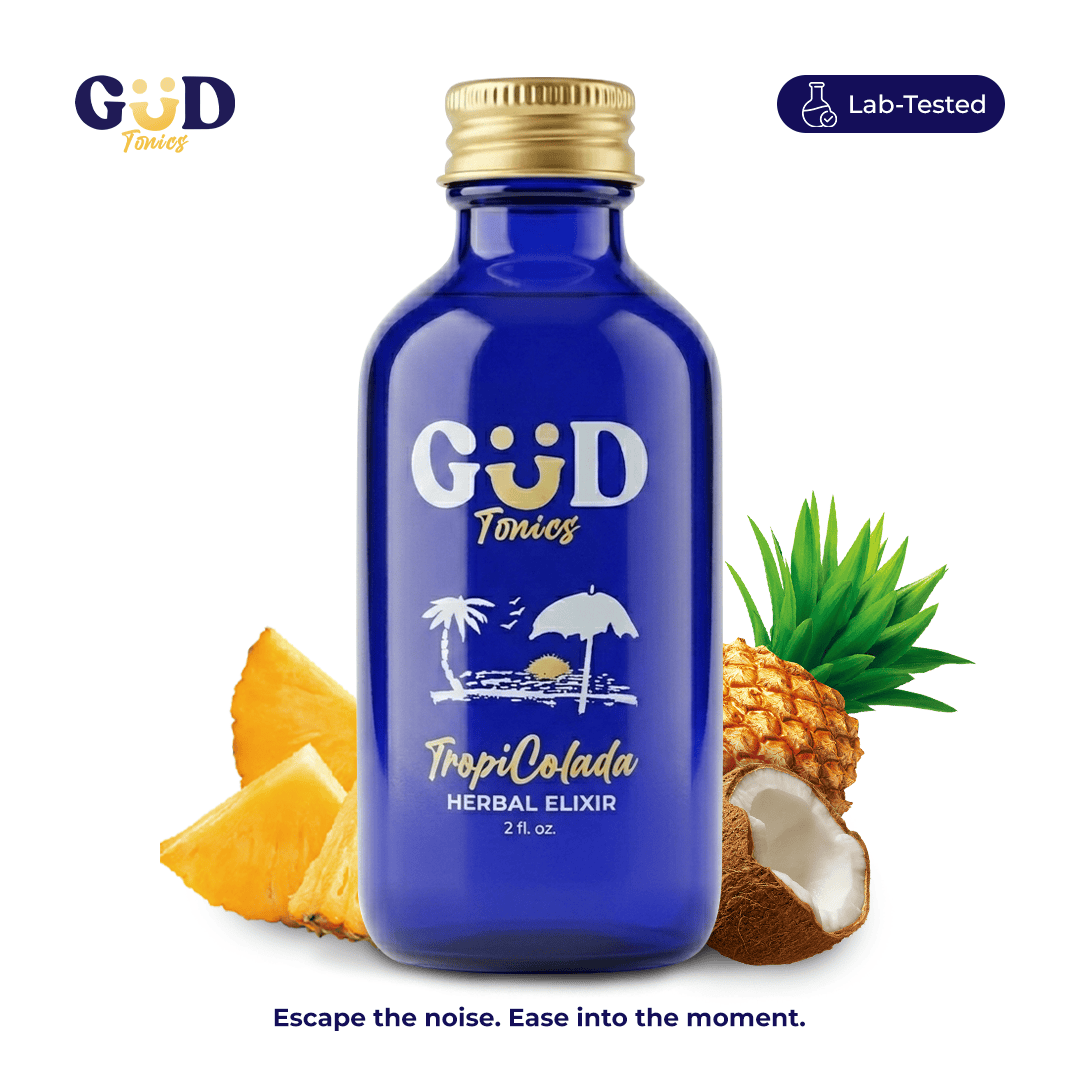
The appeal is obvious. No measuring, no warm water, no kneading, no straining, no cleanup. You get a consistent serving every time, which removes the variability that trips up beginners working with loose root. For anyone who loves the feeling of kava but not the labor, a chilled bottle like TropiColada is a real upgrade, and it's a big reason the drink has spread far beyond the South Pacific and specialty kava bars.
Some modern beverages, including the GÜD lineup, go a step further by blending premium kava extract with mitragynine (MIT) from the kratom leaf for a calm-and-clarity profile, which is why those products are strictly for adults 21 and over. Instant extract powder sits in the middle of the spectrum, offering more convenience than full root while still letting you mix your own serving. Whichever you choose, the underlying drink is the same tradition, just made dramatically more accessible.
Honest Safety Notes Before You Brew
A complete guide owes you straight talk on safety, because kava is enjoyed by many adults but it is not for everyone and it is not risk-free. These points belong front and center rather than buried at the bottom of a label.
Kava has been associated in rare cases with liver effects, which is why the U.S. Food and Drug Administration issued a consumer advisory in 2002. You can review the agency's dietary supplement information for context on how these products are regulated and why honest labeling matters. Anyone with a liver condition should be especially cautious and should speak with a doctor before trying kava, and you should never combine kava with alcohol, which works against both the experience and your safety.
A few more rules round out responsible enjoyment. Kava is for adults, and products containing mitragynine are strictly for adults 21 and over and not for anyone pregnant or breastfeeding. Kava is calming, so do not pair it with driving, operating machinery, or swimming. If you take any medication, check with your healthcare provider before adding kava to your routine. For anyone curious about the research-minded background on the mitragynine side specifically, the National Center for Complementary and Integrative Health maintains a factual overview of kratom. None of this is meant to discourage you. It is the honesty that lets you enjoy kava on a foundation of good sense.
The GÜD Tonics Way to Skip the Bowl
If the seven steps sound rewarding but you'd rather not knead and strain on a Tuesday night, that's precisely the gap GÜD Tonics was built to fill. We take everything good about traditional kava and deliver it in a bottle, blending premium kava extract with a measured amount of mitragynine and supporting botanicals for a relaxed, clear-headed feeling that many people notice in roughly 15 to 30 minutes and that is best enjoyed chilled over ice.
No measuring, no warm water, no straining, no cleanup. You pour and sip. Our flavors are the approachable, feel-good answer to traditional kava's earthy intensity, spanning tropical guava, creamy piña colada, and a sunset-bright newest addition. Not sure which profile suits you? The crisp Baja Bliss flavor is an easy, bright place to begin. When you're ready to find your favorite, you can shop the full GÜD Tonics range and pick a bottle or two to try.
The compliance reminders are part of how we make these drinks, not an afterthought. GÜD products are for adults 21 and over, not for anyone pregnant or breastfeeding, and never to be mixed with alcohol or paired with driving or swimming. If you take medication or have any liver concern, talk with your healthcare provider before trying kava in any form.
Final Thoughts
Reliable kava preparation is no mystery reserved for experts. It's a sequence of seven straightforward steps: choose your kava, measure it carefully, use warm rather than boiling water, knead and steep with patience, strain thoroughly, chill and flavor to taste, then sip slowly and store the rest. Master those, and you can turn a humble root into a smooth, relaxing drink whenever you like, with consistent results you can count on.
The beauty of kava today is that you can meet it wherever you are. Love the hands-on ritual? The traditional bowl rewards your effort with a drink you made yourself. Want the feeling without the labor? Ready-to-drink options deliver the same tradition in seconds. Either way, approach it responsibly, respect the real safety notes around the liver advisory and alcohol, and give the drink the unhurried pace it was always meant for. That's the real secret to perfect results every time.
Frequently Asked Questions
What are the basic steps for kava preparation?
The seven essential steps are choosing the right kava and form, measuring your serving and water, using warm rather than boiling water, mixing and kneading the root to release the kavalactones, straining for a smooth cup, chilling and flavoring before serving, and finally sipping slowly while storing any leftovers properly. The traditional root method follows all seven, while instant and ready-to-drink options let you skip the kneading and straining entirely.
Why should I avoid boiling water when learning how to make kava?
Boiling water can be too harsh for kava and may degrade some of the delicate compounds you are trying to extract from the root. Warm water, comfortably warm to the touch rather than hot, is gentle enough to protect the character of the drink while still helping release the kavalactones during kneading. If you have boiled water, just let it cool for several minutes before using it.
How long does kava take to work?
Kava tends to settle in gradually, often within roughly 15 to 30 minutes, which is why sipping slowly and waiting before having more is the smart approach. Stacking servings quickly, before the first has registered, is a common beginner mistake. Because kava is calming, plan a kava session for an evening when you are staying in rather than driving or heading out.
Is the ready-to-drink shortcut as good as traditional kava preparation?
The ready-to-drink format delivers the same underlying tradition with far more convenience and consistency, since there is no measuring, kneading, or straining and every serving is the same. Traditional root rewards people who enjoy the hands-on ritual, while bottles and instant extract powder suit anyone who wants the feeling without the labor. Some ready-to-drink products also blend in mitragynine, which makes them strictly for adults 21 and over.
Is kava safe to make and drink at home?
Kava is enjoyed by many adults, but it is not risk-free. It is for adults, products containing mitragynine are strictly 21 and over, and it is not for anyone pregnant or breastfeeding. Kava has been linked in rare cases to liver effects, which prompted an FDA consumer advisory, so anyone with a liver condition should talk to a doctor first. Never combine kava with alcohol, and do not pair it with driving or swimming since it is calming.